
Your New Life in Dubai
Starts Here
Planning your move? We've got you covered.
Where Do You Want to Start?
Pick your priority — we'll guide you from there.
Moving to Dubai from Your Country
Detailed guides covering visa, housing, banking, and daily life — written for your nationality.
Your Relocation Journey in 7 Steps
Most people complete the entire process in 4-8 weeks.
Your visa type determines everything — where you can work, how long you can stay, and who you can sponsor. The most common route is an employment visa arranged by your employer, but investors, entrepreneurs, and freelancers have dedicated pathways too. The 10-year Golden Visa is available for property investors (AED 2M+), skilled professionals, and business owners. Processing takes 2-4 weeks once documents are submitted.
A single professional should budget AED 15,000-25,000 for initial setup (visa fees, housing deposit, DEWA connection, furnishing basics). Families should plan AED 40,000-80,000 depending on school fees and housing choice. The biggest upfront cost is your rental deposit — typically 5% of annual rent plus one month's agency commission.
Dubai's rental market moves fast — apartments are listed and taken within days in popular areas. Leases are typically 12 months, paid in 1-4 cheques (fewer cheques often means lower rent). You will need your Emirates ID, passport copy, and a security deposit (usually 5% of annual rent) to sign a tenancy contract registered through Ejari.
Major banks include Emirates NBD, ADCB, Mashreq, FAB, and HSBC. Most require a minimum monthly salary of AED 3,000-5,000. Account opening takes 1-3 business days. For international transfers, many expats use Wise for better exchange rates and lower fees than traditional bank transfers.
Health insurance is mandatory for all Dubai residents under the Dubai Health Insurance Law. If you are employed, your employer must provide coverage. Self-sponsored residents (investors, freelancers) must arrange their own. Basic plans start at AED 5,000/year; comprehensive family coverage runs AED 15,000-25,000/year. Key providers include Daman, Oman Insurance, AXA, and Cigna.
Dubai has 215+ private schools offering British, American, IB, Indian, and other curricula. KHDA rates every school from Acceptable to Outstanding — always check ratings before applying. Top schools have waitlists, so apply 6-12 months in advance. Annual fees range from AED 15,000 (Indian curriculum) to AED 100,000+ (premium international schools).
Once you have your Emirates ID and housing sorted, the final setup checklist is straightforward:
- DEWA — Dubai Electricity & Water Authority. Apply online, AED 2,100 deposit for apartments. You'll need your DEWA premise number and your home's Makani number — the 10-digit location code — to set it up.
- Internet — du or Etisalat (now e&). Home broadband starts at AED 299/mo.
- Nol Card — Rechargeable card for metro, buses, and trams. Buy at any metro station.
- Salik — Road toll system. Register online, AED 4 per gate crossing.
- UAE Pass — Digital identity app for all government services. Download and register with your Emirates ID.
What Does Dubai Cost?
A quick snapshot of typical monthly expenses in 2026.
Studio Rent
AED 4,000-6,000
per month
1BR Apartment
AED 5,500-9,000
per month
Groceries
AED 1,500-2,500
per month
Utilities (DEWA)
AED 500-800
per month
Transport
AED 300-500
per month
Health Insurance
AED 5,000-25,000
per year
Plan Your Move with Free Tools
Interactive calculators and checkers built for Dubai-bound expats.
Essential Services for Expats
Trusted tools and services used by thousands of Dubai expats.
Wise
Send money abroad at the real exchange rate. 3-5x cheaper than banks — used by 16M+ people worldwide.
Open Free Account →SafetyWing
Travel medical insurance for nomads and remote workers. Coverage in 175+ countries from $45/month.
Get a Quote →NordVPN
Access your home streaming services and banking apps securely from Dubai. Essential for expats.
Get Protected →Must-Read Guides for New Residents
Deep-dive guides on the topics that matter most when you first arrive.
Fees & Charges
Every fee you will pay when buying, renting, or selling property in Dubai.
Read Guide →Renting in Dubai
Ejari, cheques, deposits, tenant rights, and how to negotiate your lease.
Read Guide →Healthcare
Insurance requirements, DHA regulations, hospitals, and what plans cover.
Read Guide →Schools & Education
KHDA ratings, curricula, fees, and how to choose the right school.
Read Guide →Latest Relocation & Dubai Life Articles
Fresh insights to help you prepare for your move.

Best Pet Relocation Companies in Dubai 2026: What It Actually Costs to Fly a Dog or Cat
Flying a pet into or out of Dubai is never a fixed price — it swings enormously by crate size, route, airline and season, and the single most expensive mistake owners make is getting the crate size or the rabies titre test timing wrong. This guide covers who actually does this work in Dubai, verified against our own directory and each firm's own site, and exactly what to check before you pay a deposit.
Read More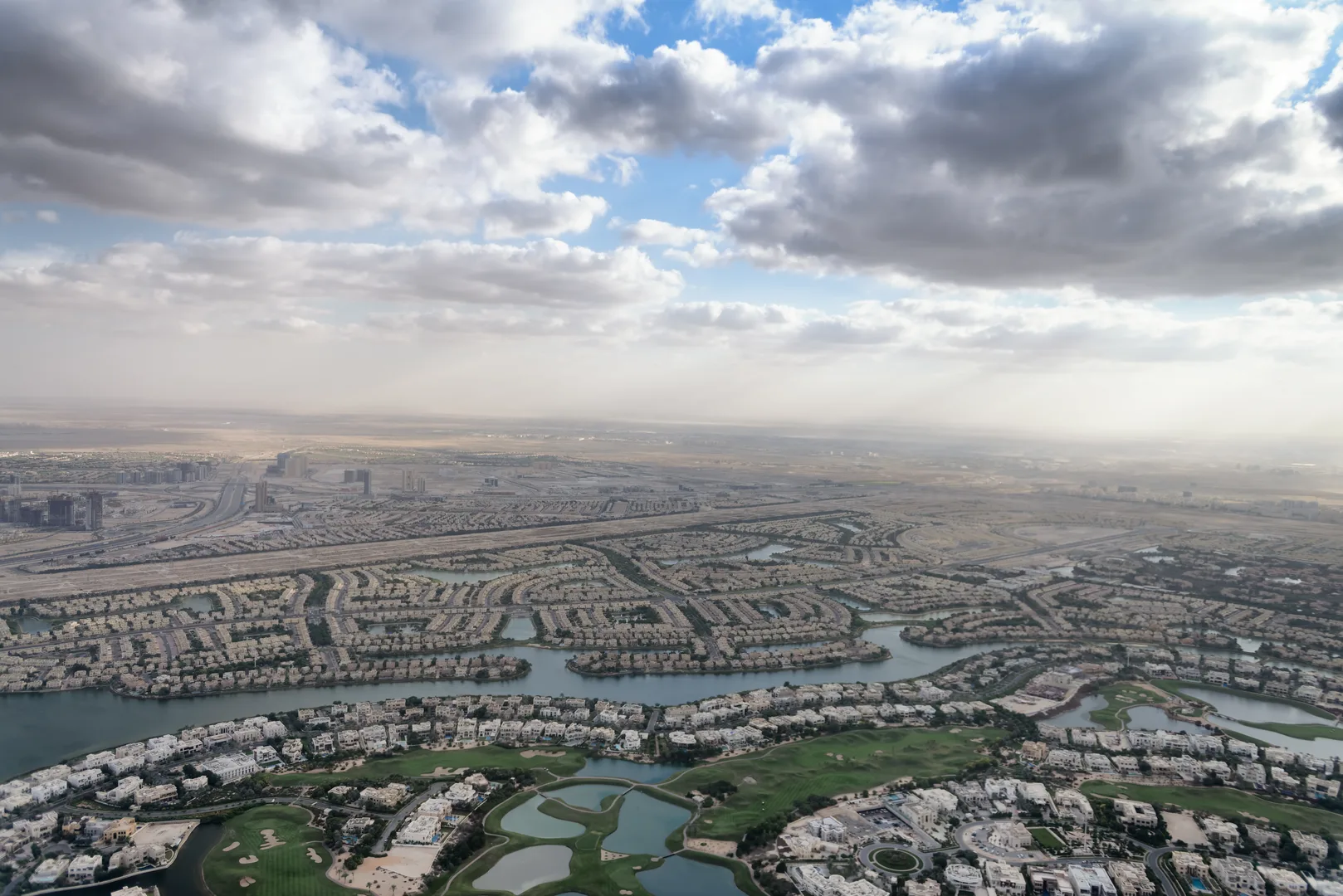
Dubai's Greenest, Most Sustainable Communities in 2026, Ranked
Dubai now has genuine net-zero neighbourhoods, forest-themed master communities and Al Sa'fat-regulated green buildings competing for the same buyers. This independent ranking compares seven of the emirate's greenest communities on tree cover, certifications, energy and water systems, and price, so you can tell real sustainability from a landscaping brochure.
Read More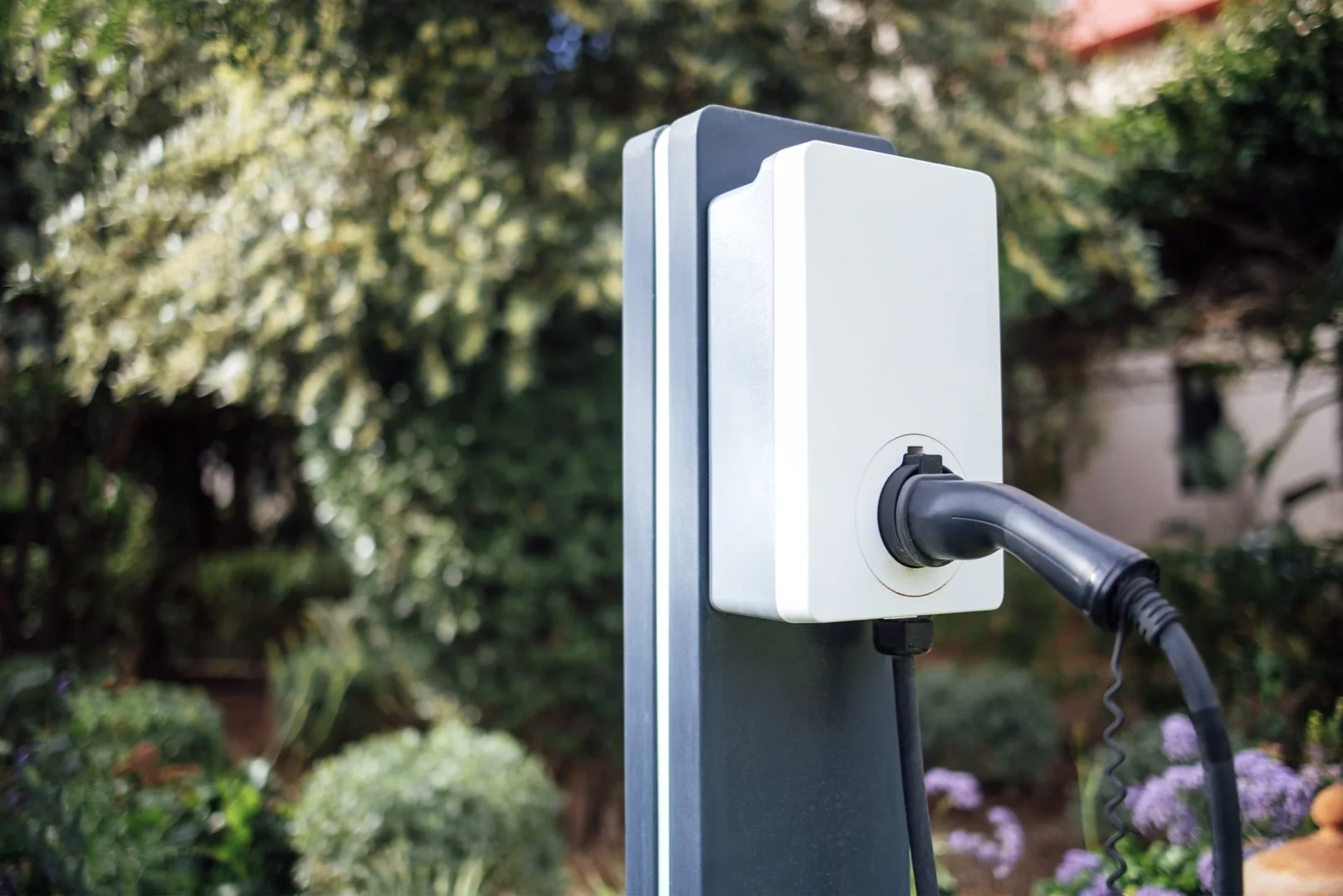
Best Dubai Communities for EV Owners in 2026: Charging Infrastructure Compared
Charging an electric car in Dubai depends less on the citywide network and more on whether your specific villa driveway or apartment basement can actually take a charger. This guide compares villa communities and apartment towers on real charging readiness, walks through DEWA's home wallbox approval process and cost, and covers the RTA perks that come with owning an EV in Dubai.
Read More
Monthly Furnished Rental Dubai: Your First 3-6 Months, No Ejari
How to secure a legal, furnished base in Dubai for one to six months before you commit to a yearly Ejari lease, with sourced monthly price ranges and the real cost trade-off.
Read More
Best Dubai Communities for Padel Players 2026
A community-by-community breakdown of where Dubai's padel players live, which areas have on-site courts, and what the sport's explosive growth means for property buyers in 2026.
Read More
UAE Retirement Visa 2026: Requirements, Costs & the AED 1M Property Pathway
The UAE retirement visa is a 5-year renewable residence for over-55s, and the AED 1 million property route is the pathway most retirees actually use. This guide covers every eligibility route, the exact fee schedule, the mortgage and joint-ownership rules, and when the golden visa is the better deal.
Read MoreHave Questions About Moving?
Get expert answers to your relocation questions — visa, property, banking, schools, and everything in between.
Browse Q&A →Everything You Need to Know
In-depth information on every aspect of moving to Dubai.
Visa Options for Dubai
The UAE offers a wide range of visa options for expats looking to live and work in Dubai. Understanding which visa suits your situation is the first and most important step in your relocation journey. The UAE visa portal provides official guidance on all categories. Here is a comprehensive overview of every major visa category available in 2026.
Employment Visa (Work Permit)
The most common route for expats. Your employer sponsors your visa, covers processing costs, and arranges your Emirates ID. The employment visa is tied to your employer — if you change jobs, your new employer must initiate a visa transfer. Processing typically takes 2-4 weeks. Your employer must also provide you with health insurance as a legal requirement. The employment visa allows you to sponsor dependents (spouse and children) if you meet the minimum salary threshold of AED 4,000/month or AED 3,000/month plus company-provided accommodation.
Golden Visa (5 or 10 Years)
The UAE Golden Visa is a long-term residency visa that does not require a sponsor. It is available to property investors (AED 2M+ in real estate), entrepreneurs, skilled professionals, scientists, outstanding students, and humanitarian pioneers. The 10-year Golden Visa is the most sought-after option as it provides maximum stability — you can live, work, and study in the UAE without a national sponsor. Golden Visa holders can sponsor family members regardless of salary. Processing takes 2-4 weeks after document submission. Use our Golden Visa Checker to see if you qualify.
Investor Visa
If you own property in Dubai worth AED 750,000 or more, you can obtain a 2-year investor visa (also called a property visa). This visa requires a minimum property value, a clean criminal record, and proof that the property is fully paid or has a mortgage with at least 50% equity. The investor visa is renewable and allows you to sponsor dependents. For properties valued at AED 2M+, you qualify for the Golden Visa instead, which offers a longer validity period.
Freelance Permit
Dubai has embraced the freelance economy with dedicated permits available through MOHRE (Ministry of Human Resources and Emiratisation) and various free zones. A freelance permit allows you to work independently, invoice clients, and sponsor dependents. Processing takes 2-3 weeks. Costs range from AED 7,500-15,000 per year depending on the issuing authority. Popular free zones for freelancers include Dubai Media City, Dubai Internet City, and Dubai Design District.
Free Zone Company Visa
Setting up a company in one of Dubai's 30+ free zones gives you a residence visa and the ability to sponsor employees and dependents. Free zone companies offer 100% foreign ownership, 0% corporate tax (on qualifying income), and simplified incorporation. Setup costs range from AED 15,000-50,000 depending on the free zone and licence type. Popular choices include DMCC, DIFC, Dubai South, and IFZA.
Retirement Visa
The UAE offers a 5-year retirement visa for individuals aged 55 and older who meet one of the following criteria: property ownership worth AED 2M+, savings of AED 1M+, or active monthly income of AED 20,000+. This visa is ideal for retirees looking to enjoy Dubai's warm climate, world-class healthcare, and tax-free lifestyle.
Visa Comparison at a Glance
| Visa Type | Duration | Cost | Key Requirement |
|---|---|---|---|
| Employment | 2-3 years | Employer-paid | Job offer |
| Golden Visa | 5-10 years | AED 2,800-4,800 | AED 2M+ property / skilled professional |
| Investor | 2 years | AED 3,000-5,000 | AED 750K+ property |
| Freelance | 1-3 years | AED 7,500-15,000/yr | Skill qualification |
| Free Zone | 1-3 years | AED 15,000-50,000/yr | Company setup |
| Retirement | 5 years | AED 3,000-5,000 | Age 55+ / AED 2M assets |
For a personalised cost breakdown, use our Visa Cost Estimator or read the full Golden Visa Guide.
Housing & Neighbourhoods
Finding the right neighbourhood is one of the most impactful decisions you will make as a new Dubai resident. The city offers remarkably diverse communities — from high-rise beachfront towers to quiet suburban villa compounds — each with its own character, price point, and lifestyle.
Most expats start their search on platforms like Property Finder, Bayut, and Dubizzle. Renting is the norm for newcomers; buying is more common after 1-2 years once you understand the market. All property transactions are registered with the Dubai Land Department, and rents are regulated by RERA. Leases are typically 12 months, paid in 1-4 cheques via Ejari (the government's rental registration system). Security deposits are usually 5% of annual rent for unfurnished apartments and 10% for furnished units.
Popular Areas by Lifestyle
| Area | Best For | 1BR Rent (AED/yr) | Metro |
|---|---|---|---|
| Dubai Marina | Young professionals | 75,000-120,000 | Yes |
| Dubai Hills Estate | Families | 65,000-100,000 | Yes (Green Line) |
| JVC | Budget-conscious | 45,000-70,000 | No |
| Downtown Dubai | Luxury urban | 90,000-150,000 | Yes |
| Arabian Ranches | Villa families | 120,000-200,000 (3BR) | No |
When choosing an area, consider your commute, proximity to schools (if you have children), access to metro, nearby amenities, and your social preferences. Dubai Marina and JBR suit social, beach-loving professionals. Dubai Hills and Arabian Ranches are ideal for families with children. JVC and JLT offer the best value for money.
Explore all communities in our interactive area guide or read the complete Renting in Dubai Guide.
Banking & Finance
Setting up banking in Dubai is straightforward once you have your Emirates ID. The UAE has a robust financial system with both local and international banks, digital-only options, and a growing fintech ecosystem.
Opening a Bank Account
You will need your Emirates ID (or application receipt), passport, and proof of income (salary certificate or employment contract). Major banks include Emirates NBD, ADCB, Mashreq, First Abu Dhabi Bank (FAB), and HSBC. Most require a minimum monthly salary of AED 3,000-5,000 to open a current account. Zero-balance accounts are available at some digital banks like Liv (by Emirates NBD) and Wio Bank. Account opening takes 1-3 business days once you submit your documents.
International Transfers
If you need to send money home or receive transfers from abroad, traditional bank wire transfers work but often come with high fees (AED 50-100 per transfer) and unfavourable exchange rates. Many expats use Wise (formerly TransferWise) for international transfers — it offers real mid-market exchange rates with transparent fees that are typically 3-5x cheaper than banks. Wise also offers a multi-currency account with a UAE-compatible debit card, which is particularly useful during your first weeks before your local bank account is active.
Key Financial Tips for New Residents
- Salaries in the UAE are paid via the Wages Protection System (WPS) — your salary must be deposited into a UAE bank account.
- Credit cards are widely available but require a minimum salary (usually AED 5,000-8,000/month).
- There is no personal income tax, but you may have tax obligations in your home country. Check your country's double taxation agreement with the UAE.
- The UAE uses the dirham (AED), pegged to the US dollar at a fixed rate of 3.6725 AED per USD.
Healthcare System
Dubai has a world-class healthcare system regulated by the Dubai Health Authority (DHA). Health insurance is mandatory for all residents — this is enforced by law and you cannot renew your visa without valid health insurance.
How Insurance Works
If you are employed, your employer must provide health insurance for you (and in many cases, for your dependents). Self-sponsored residents — such as investors, freelancers, and business owners — must arrange their own insurance. The DHA sets minimum coverage requirements: plans must include at least AED 150,000 in annual coverage, access to a network of hospitals and clinics, and coverage for pre-existing conditions (after a waiting period).
Basic plans cost AED 5,000-8,000 per year for an individual. Comprehensive plans with wider hospital networks and lower co-pays cost AED 10,000-15,000 per person. Family coverage (2 adults + 2 children) typically costs AED 20,000-40,000 per year depending on the level of coverage.
Hospitals and Clinics
Dubai has excellent hospitals including Mediclinic, NMC Royal, American Hospital Dubai, Aster DM Healthcare, Saudi German Hospital, and Cleveland Clinic Abu Dhabi (nearby). Most hospitals have multilingual staff. Emergency care is available 24/7 and cannot be refused regardless of insurance status.
For a comprehensive overview, read our Healthcare in Dubai Guide.
Schools & Education
Dubai has 215+ private schools offering a variety of international curricula. The Knowledge and Human Development Authority (KHDA) regulates all private schools in Dubai and publishes annual inspection ratings — from Outstanding to Acceptable — that are publicly available and should be your first reference point when choosing a school. The UAE education portal provides additional resources on school enrolment and curricula.
Curriculum Options
The most popular curricula in Dubai are British (following the English National Curriculum and IGCSEs/A-Levels), American (US Common Core, AP exams), International Baccalaureate (IB PYP, MYP, DP), and Indian (CBSE and ICSE). French, German, and Japanese schools are also available. Choose based on your home country's education system or your long-term plans — if you plan to return home or move to another country, curriculum continuity matters.
Fees and Admissions
Annual school fees vary dramatically: Indian curriculum schools start at AED 15,000-25,000 per year, British and American schools range from AED 40,000-80,000, and premium international schools (like GEMS Wellington, Dubai College, or Repton) charge AED 80,000-100,000+. Most schools also charge registration fees (AED 500-2,000), uniform costs, and transport fees.
Apply early — top-rated schools often have waiting lists of 6-12 months. The academic year runs from September to June. Mid-year admissions are possible but limited at popular schools.
For KHDA ratings, fee comparisons, and neighbourhood-by-neighbourhood school maps, read our Schools & Education Guide.
Now That You're Moving
Get Help Once You Arrive in Dubai
Visa, banking, schools sorted? Here are the next service partners you'll likely need — each matched independently with vetted RERA/DET-licensed firms.
Your first months
Where do you live while you settle in?
Yearly leases need an Ejari, cheques and commitment to a neighbourhood you haven't tested. Most newcomers bridge the first 1–6 months in a monthly furnished stay — no Ejari, utilities included, leave when your long-term home is ready.
Flexible 1–6 month terms
Extend month to month while you house-hunt — no yearly contract, no post-dated cheques.
Furnished & connected
Move in with suitcases: furniture, DEWA, internet and cleaning handled by the operator.
Licensed operators only
We match you with DET holiday-home-licensed operators — legal stays, real invoices, deposits protected.
Tell us your dates — get matched options
Arrival date, how many months, budget and preferred areas. We'll connect you with a vetted monthly-stay operator — free, no markup on your rate.
Thank You!
We'll get back to you within 24 hours.
By submitting, you agree we may share these details with the matched operator so they can quote you — nothing more. Privacy Policy
Read the full guide: monthly furnished rentals, options & real costs →
Frequently Asked Questions
Quick answers to the most common questions about moving to Dubai.
Initial setup costs range from AED 15,000–25,000 for a single person and AED 40,000–80,000 for a family. This includes visa fees, housing deposit, DEWA connection, health insurance, and furnishing. Monthly living costs start at AED 8,000–12,000 for a single person and AED 20,000–35,000 for a family of four.
Not necessarily. While most expats relocate on an employment visa, you can also move on an investor visa (property worth AED 750K+), a Golden Visa (AED 2M property or business), a freelance permit, or by setting up a company in a free zone. Each path has its own financial and documentation requirements.
Dubai has 0% personal income tax and 0% capital gains tax. There is a 5% VAT on goods and services, and a 9% corporate tax on business profits above AED 375,000. Rental income from property is not taxed. However, you may still owe taxes in your home country — check your country's tax treaty with the UAE.
A comfortable single lifestyle requires AED 12,000–15,000 per month (approximately USD 3,300–4,100). Families should target AED 25,000–35,000+ depending on schooling choices and housing area. Budget-conscious singles can manage on AED 8,000–10,000 in affordable areas like JVC or Al Nahda.
Employment visas take 2–4 weeks once your employer initiates the process. Golden Visa processing takes 2–4 weeks after document submission. Freelance permits take 2–3 weeks through MOHRE. Tourist visas (30–90 days) are issued on arrival for many nationalities.
Yes. You can sponsor your spouse and children (under 25 for sons, unmarried daughters at any age) if you earn a minimum salary of AED 4,000 per month (or AED 3,000 + accommodation). You'll need to provide a tenancy contract and health insurance for each dependent. Golden Visa holders can sponsor family regardless of salary.
Yes. Health insurance is mandatory for all Dubai residents under the Dubai Health Insurance Law. Employers must provide coverage for employees. Self-sponsored residents, dependents, and domestic workers must be covered by the sponsor. Basic plans start at AED 5,000 per year; comprehensive family coverage costs AED 15,000–25,000.
Popular expat neighbourhoods include Dubai Marina (young professionals and nightlife), JBR (beach lifestyle), Dubai Hills Estate (families with children), JVC and JLT (budget-friendly), Downtown Dubai (luxury urban living), and Arabian Ranches (villa communities). Each offers a distinct lifestyle and price point.
Not necessarily. The Dubai Metro covers major corridors (Marina to Creek), buses and trams fill gaps, and ride-hailing apps (Careem, Uber) are affordable. However, if you live in villa communities (Arabian Ranches, Dubai Hills) or commute to areas not served by metro, a car is highly recommended. Monthly car costs: AED 2,000–4,000 including fuel, insurance, and Salik tolls.
Dubai is one of the safest cities in the world, consistently ranked in the top 10 globally for personal safety. Violent crime is extremely rare, petty crime is minimal, and the city has extensive CCTV coverage and a responsive police force. Women, families, and solo travellers all report feeling very safe at any hour.
Get Free Relocation Guidance
Tell us where you're moving from and we'll connect you with relocation specialists.
Thank You!
We'll get back to you within 24 hours.