Climate Migration to Dubai: Heat-Resilient Towers and Cooling Tech in 2026

- 2024 and 2025 were the hottest years on record globally. Wet-bulb temperatures in parts of South Asia, the Gulf, and southern Europe are approaching the threshold where unacclimatised humans cannot cool themselves through sweating — a threshold around 35C wet-bulb.
- Dubai is hot — summer highs of 42-48C are normal from June through September — but the city is built for it. District cooling, low-e glazing, sealed envelopes, and continuous indoor pedestrian networks let residents live comfortably year-round.
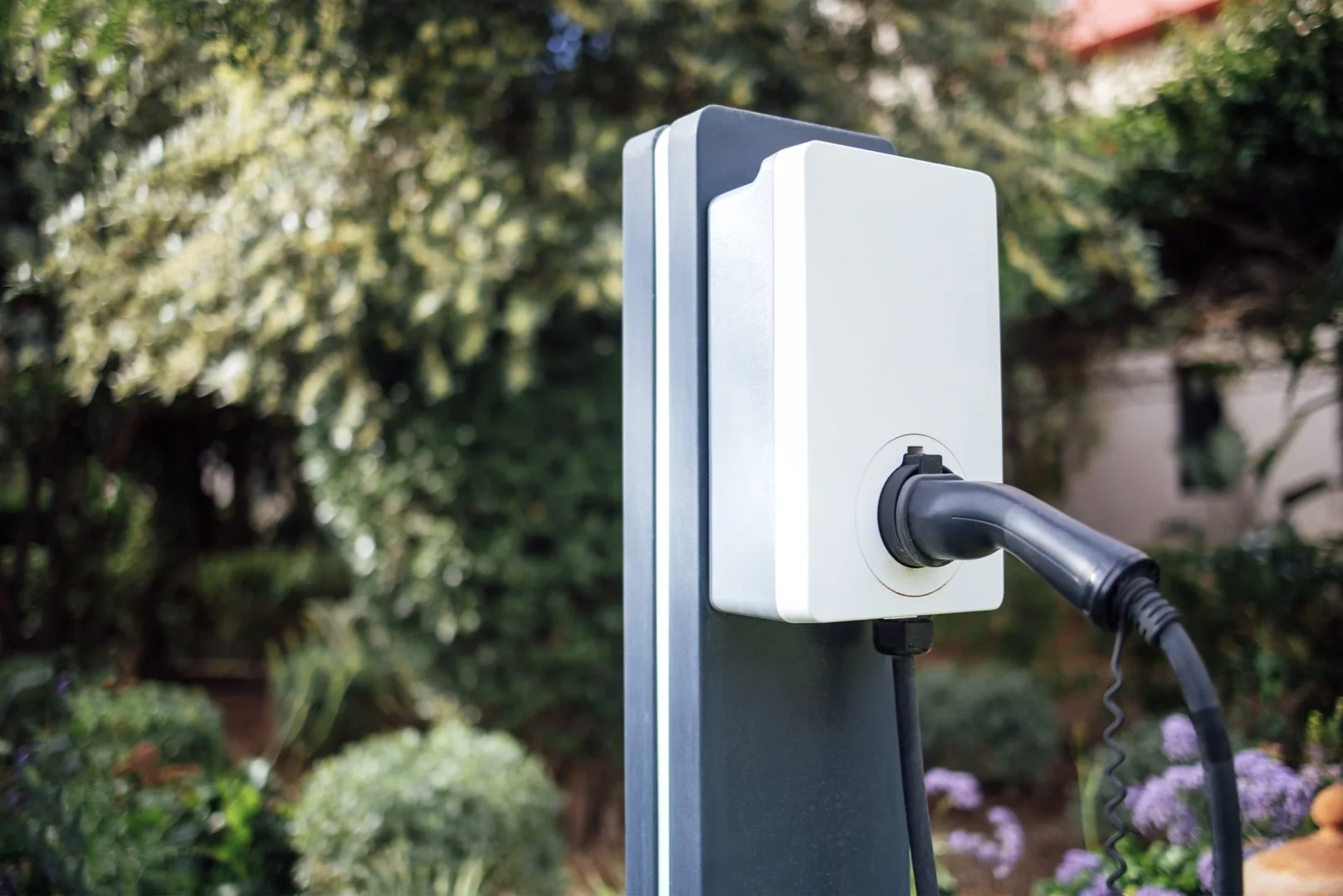
- District cooling networks (Empower, Tabreed, Emicool) serve most premium developments. They are typically 30-50% more energy-efficient than building-by-building chillers, and they fix cooling capacity at the master-plan level rather than the unit level.
- Certified buildings under Estidama (Pearl rating), LEED, or Dubai's Al Sa'fat Green Building Regulations are now standard for new towers. Older 2005-2012 stock often lacks the same envelope performance — a real cost difference in summer bills.
- April 2024 floods exposed drainage gaps. Dubai responded with a multi-year stormwater upgrade programme (Tasreef) and stricter basement-flood compliance. Buyers should ask about flood history, drainage upgrades, and basement parking risk.
- Climate-conscious buyers should check four things: district cooling Y/N, building certification, AC equipment age, and basement/flood history. These factors can swing summer running costs by AED 8,000-15,000 a year on a typical 2BR.
- Climate migration is no longer abstract. Buyer flows from heat-exposed origin countries — India, Pakistan, Iran, Egypt, parts of southern Europe — are a measurable factor in 2024-2026 transaction data, alongside the more traditional tax and lifestyle drivers.
The Global Heat Picture in 2026
The last three calendar years rewrote what "extreme summer" means. 2023, 2024, and 2025 each set new global mean temperature records. Wildfires across Greece, Spain, Portugal, southern France, Turkey, and California became routine summer news. Northern India and Pakistan recorded 49-52C peaks during the May 2024 and 2025 pre-monsoon seasons, with prolonged power-grid failures. Iran's Bandar Abbas region hit a heat index above 70C — among the highest ever instrumentally recorded.
The technical metric to watch is wet-bulb temperature, which combines heat and humidity. A wet-bulb of 35C is the theoretical limit at which a healthy human cannot cool down by sweating, even in shade with unlimited water. Parts of the Persian Gulf coast, the Indus Valley, and coastal South Asia have already crossed 32-33C wet-bulb in short bursts. The trend line is unambiguous: more days above dangerous thresholds, in more places, affecting populations that historically did not need air-conditioned shelter.
Dubai sits in an interesting position in this conversation — extremely hot in absolute terms, but engineered end-to-end for heat in a way most cities are not.
The Dubai Paradox: Hot, but Built for It
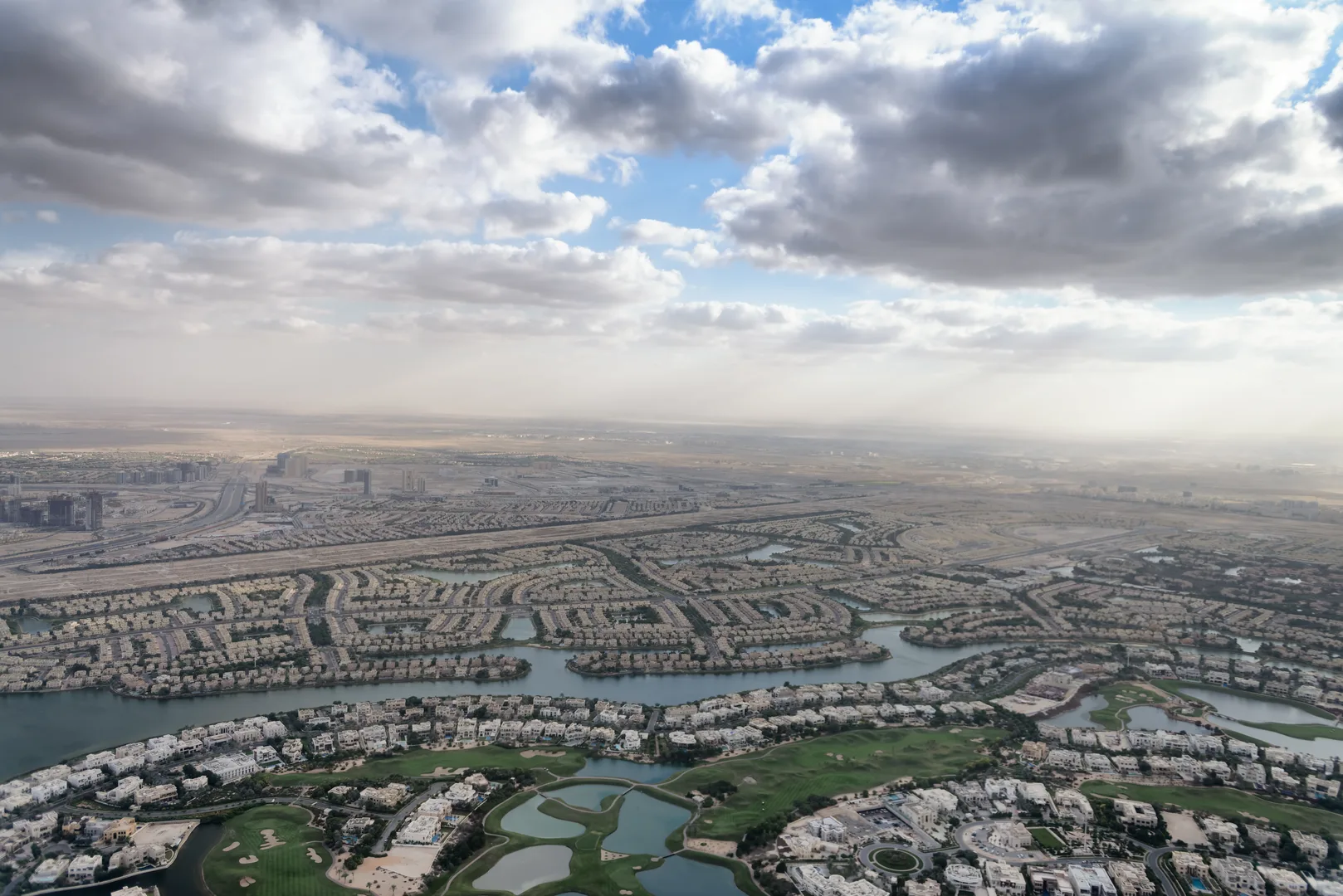
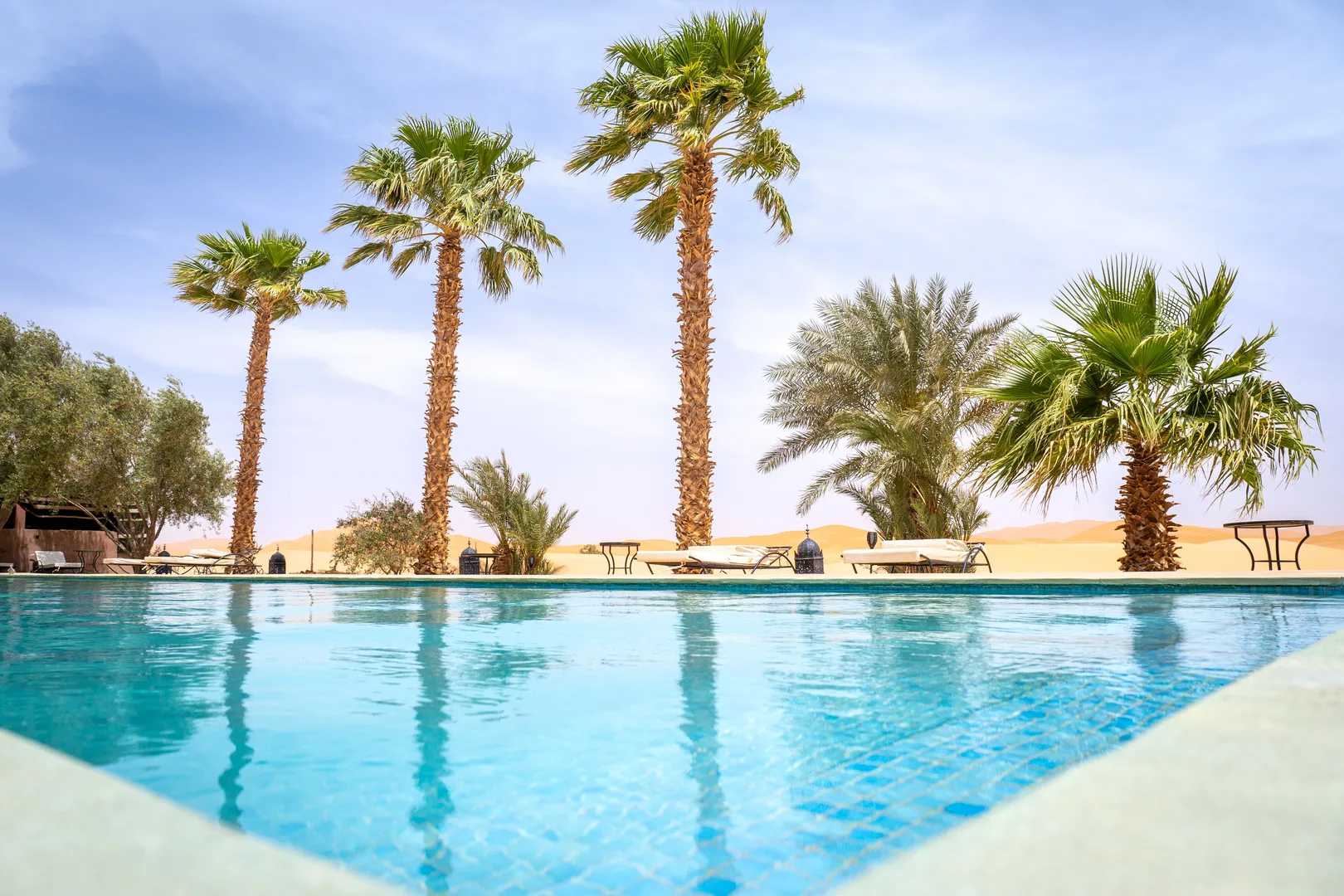
Dubai's summer is brutal in raw numbers. June-September daytime highs of 42-48C are normal. Sea-surface temperatures off the coast can hit 35C in August, killing the cooling effect of the breeze and pushing humidity to oppressive levels. There are weeks where outdoor activity between 10:00 and 18:00 is genuinely dangerous for unaccustomed visitors.
What makes Dubai different from Karachi at the same latitude or Cairo in a similar climate band is not the weather — it is the infrastructure. Air conditioning is treated as a baseline utility, with the same regulatory rigor applied to electricity or water. Buildings are designed to a tighter envelope spec than most temperate-climate codes require. District cooling is the default for premium master-planned communities. Indoor walkways, metro stations, and mall corridors form a near-continuous shaded network across central Dubai. Hospitals, schools, supermarkets, and offices all operate as climate-controlled refuges by design.
The result is a counter-intuitive comfort profile. A resident in Downtown or Dubai Marina can move through July and August with very little exposed outdoor walking. That is the practical meaning of "climate resilience" at the urban-form level — not avoiding heat, but rendering it operationally manageable.
District Cooling: The Backbone of the System
If you have spent any time looking at Dubai service charges, you have seen the line item: cooling. In most newer developments, that fee is going to a district cooling provider — a centralised plant that produces chilled water and pipes it to dozens or hundreds of buildings in a master plan. Three operators dominate the Dubai market: Empower, Tabreed (operating across the wider UAE), and Emicool.
District cooling matters for three reasons. First, it is genuinely more efficient — centralised plants run at optimal load factors and use better-grade chillers, with industry estimates of 30-50% energy savings versus building-level VRF or chiller plants. Second, it shifts capital cost away from the unit owner: you pay a per-RT (refrigeration ton) capacity charge and a per-RTH (consumption) charge instead of buying or maintaining your own chiller. Third, it tends to come with better long-term reliability.
The trade-off is contract structure. District cooling contracts include a fixed capacity charge regardless of usage — leave your apartment for three months and you still pay the capacity portion. Total summer bills for a 2BR run AED 1,200-2,500 per peak month, with full-year cooling totals typically AED 8,000-18,000. Sounds steep until you compare it to a building running its own chiller, where AC bills can exceed those numbers and equipment failures become the owner's problem.
| Operator | Coverage Notes | Typical Tariff Structure | Contract Notes |
|---|---|---|---|
| Empower | Largest in Dubai — Downtown, Business Bay, JBR, Dubai Marina, JLT, IMPZ, Discovery Gardens, Dubai Healthcare City, parts of MBR City | Fixed capacity (per RT) + consumption (per RTH); regulated by RSB | 10-year deemed-supply contract typical; transferable on resale; security deposit (refundable) and connection fee at handover |
| Tabreed (National Central Cooling) | UAE-wide; in Dubai serves Palm Jumeirah, parts of Dubai Marina, several Sheikh Zayed Road districts, Madinat Jumeirah Living, plus large Abu Dhabi presence | Fixed capacity + consumption; long-term concession contracts with master developers | Listed entity (DFM) with strong operating history; tariff adjustments via concession terms |
| Emicool | Joint venture rooted in Dubai Investments; serves Dubai Investment Park, Motor City, Mirdif Hills, parts of MBR City, and several Meraas / Nakheel master plans | Similar two-part tariff (capacity + consumption); per-RT pricing typically competitive | Often bundled into community service charges via the developer; check breakdown |
| Building-level chiller / VRF (no district cooling) | Older mid-rise stock, smaller compounds, some villa communities | AC consumption flows through DEWA + building-level recovery; you bear equipment risk | Cheaper baseline in some cases, but capital-cost exposure on chiller replacement and lower efficiency at part load |
If you want to verify the regulator side, Dubai's Regulatory and Supervisory Bureau publishes the licensing framework for cooling utilities under the broader DEWA-adjacent regulatory umbrella. For the underlying electricity tariff that ultimately powers all of this, the official source is dewa.gov.ae.
Building Tech: How Dubai Towers Are Engineered for 48C
Walk through a 2008-vintage tower and a 2024-vintage tower in the same neighbourhood and the difference is immediate. Newer construction is built to a stricter envelope spec driven by Dubai's Al Sa'fat Green Building Regulations (mandatory since 2014) and Estidama Pearl ratings. The features that matter most for heat resilience are mostly invisible.
Low-emissivity glass with selective coatings blocks most solar heat gain while letting visible light through. Continuous insulation cuts conductive gain. Cool roofs (high-albedo membranes) reflect rather than absorb solar load. Air-tight construction reduces infiltration loads, which on a 45C day can be a significant share of total cooling demand. Smart shading — automated louvres, deep balcony overhangs, fritted glass on west and south facades — is showing up in newer luxury and mid-market builds alike. Orientation matters more in Dubai than in cooler climates: a unit facing direct west afternoon sun without shading costs meaningfully more to cool than the same floorplan facing north.
Three categories of building exist in the market today. Pre-2010 stock has the weakest envelope; many have had partial retrofits but not full glazing replacement. 2010-2018 stock is mid-tier — better envelopes, district cooling more common, but variable Al Sa'fat enforcement. 2018-2026 stock under current Al Sa'fat enforcement is materially better insulated, glazed, and shaded. Summer running cost difference between weakest and strongest categories on identical 2BRs can be 30-50%.
| Area | District Cooling Coverage | Heat-Resilience Profile | Notes for Climate-Conscious Buyers |
|---|---|---|---|
| Downtown Dubai | Empower across most towers | Strong — newer high-spec towers, indoor mall connectivity, metro link | Premium pricing but lowest summer-impact lifestyle for non-villa buyers |
| Dubai Marina | Empower (most towers); some Tabreed | Mixed — strongest in newer launches, weaker in some 2006-2012 vintage | Vintage check matters; west-facing units cost more to cool |
| Business Bay | Empower coverage broad | Strong on newer canal-front towers; legacy stock varies | Newer Al Sa'fat-era towers are noticeably better envelopes |
| Palm Jumeirah | Tabreed primary across most apartment towers | Strong — mostly newer construction, sea-facing breeze (limited summer benefit) | Reclaimed-land context relevant — see flooding section |
| Dubai Hills Estate | Empower at master-plan level for apartments | Strong — Emaar 2017+ construction, certified buildings common | Villa segment has individual cooling (split / VRF); equipment quality matters |
| JVC, JVT, Arjan | Mixed — district cooling on some clusters, building-level on others | Variable — case-by-case by tower, vintage range 2010-2026 | Always verify cooling source before purchase; older buildings often weaker envelopes |
| JBR / The Walk | Empower | Older vintage (2007-2010) — envelopes weaker than newer Marina towers | Sea exposure and west-facing glass mean higher cooling demand |
Urban Form: The Indoor Network
One of the most underrated parts of Dubai's heat resilience is urban form. In central Dubai, you can move from metro to mall to office tower to residential lobby and back through underground or skybridge connections — much of it without going outside. Downtown's footbridge network ties the Dubai Mall, metro, residential towers, and hotels together. Dubai Marina has a covered promenade and tower-to-tower walkway integrations. The Dubai Metro itself runs as a fully air-conditioned network with covered station entries.
This explains why areas like Downtown, Marina, and JBR command premium pricing — they sit inside this indoor-network footprint, and the climate utility of that position rises every year. Outside the central network, the calculation flips. Villa communities like Arabian Ranches or Damac Hills require a car for almost everything in summer — school runs, groceries, and exercise all happen with the car as the bridge between indoor environments. Our family area rankings covers the lifestyle side; the climate angle is a separate input to layer on top.
Summer Life Patterns in Dubai
Dubai residents adjust to summer in predictable ways. Early-morning beach time (5:30-8:00) and late-evening dining (19:30 onwards) are the practical outdoor windows. Daytime is indoor by default — gyms, malls, indoor play centres, chilled pools, and the metro for movement. Schools shift to summer break from late June through early September. Many residents take a 4-8 week trip to home countries or cooler destinations — Europe, the Caucasus, Southeast Asia, North America.
The "summer flight" pattern is itself a climate-adaptation strategy. A 2BR that sits empty for two months a year still racks up district cooling capacity charges; a villa with a private pool sits unused. These are real costs that buyers from non-Gulf backgrounds sometimes underestimate. For day-to-day budgeting on the heat-driven cost stack, our utilities guide has the underlying numbers.
Living in Dubai?
Dubai Living Tips Weekly
Cost-of-living data, neighborhood guides, and practical expat tips — every week.
✓ You're in! Check your inbox.
Sea-Level Rise and the Dubai Coastline
Dubai's coastline is heavily engineered. Palm Jumeirah, Bluewaters, Deira Islands, and large stretches of Dubai Marina shoreline are reclaimed land built with elevation buffers above projected sea-level scenarios. The base elevation of Palm Jumeirah sits well above current mean sea level — the master plan was engineered with flood and storm-surge buffers in mind. Coastal protection structures like breakwaters, retaining walls, and crown-elevated promenades are standard.
Long-horizon climate models show meaningful sea-level rise across multi-decade scenarios, but Dubai is structurally less exposed than cities built on natural low-lying coast without engineered defences. For a buyer with a 10-30 year hold horizon, the practical risk on a high-elevation reclaimed property is low. For 50+ year holds or properties at the lowest waterfront elevation, the risk profile is different — worth asking about during diligence.
Flooding: The April 2024 Lesson
The April 16, 2024 storms dumped roughly a year's worth of rain on Dubai in less than 24 hours. Major roads, airport infrastructure, basement parking in dozens of communities, and ground-floor units flooded. The event was exceptional but exposed real gaps in Dubai's stormwater drainage, which had historically been sized for a near-zero-rain climate.
The response has been substantial. Dubai launched the Tasreef stormwater drainage upgrade programme — multi-billion-dirham investment over multiple years, designed to handle similar-magnitude storms. Building-level mitigation has tightened: basement entry seals, sump pumps, and drainage upgrades are increasingly part of handover specs.
For climate-conscious buyers, the practical takeaways are: ask whether the building flooded in April 2024 (well-documented in community records); ask whether basement parking has been upgraded post-event; for ground-floor units, ask about elevation relative to road grade and any post-2024 flood-mitigation works. A building that flooded badly and has not visibly upgraded carries a different risk profile from one that came through clean or has been retrofitted.
What Climate-Conscious Buyers Should Actually Check
A practical due-diligence checklist, combining the heat and flood angles, looks like this:
- District cooling Y/N. If yes, which provider, what is the per-RT capacity charge, what is the deemed-supply contract length? If no (building-level chiller), what is the equipment age and replacement reserve?
- Building certification. Was the building delivered under Al Sa'fat (Dubai Green Building Regulations)? Any LEED or Estidama certification? Newer Emaar, Damac Premium, Dubai Properties, and Meraas builds typically tick this box; older or budget builds often do not.
- AC equipment age. If individual splits or VRF in older stock, what is the age and condition? Replacement of a full-apartment AC system for a 2BR can cost AED 15,000-30,000 depending on tonnage and brand.
- Glazing and orientation. West and south-facing units in non-shaded towers cost meaningfully more to cool. Low-e glass should be standard on newer builds; older Marina and JBR towers vary.
- Basement parking and flood history. Did the building flood in April 2024? Has drainage been upgraded? Is the parking sealed and pumped? For ground-floor and podium-level units, what is the elevation buffer?
- Cooling cost transparency. Ask the seller or developer for 12 months of cooling bills. This single document tells you more about real running costs than any marketing brochure.
For the broader cost picture across all utilities and ongoing fees, our service charges guide walks through the full stack — including how cooling, master community, and building-level fees roll up. And for the regulatory side of how transactions are recorded and verified, the official source is the Dubai Land Department at dld.gov.ae.
Summer Utility Cost Ranges
| Profile | Cooling Setup | Summer Month (Peak) AED | Annual Cooling Total AED |
|---|---|---|---|
| 2BR, Downtown Dubai (newer tower) | Empower district cooling | 1,400-2,200 | 10,000-16,000 |
| 2BR, Dubai Marina (mid-vintage tower) | Empower district cooling | 1,300-2,000 | 9,000-15,000 |
| 2BR, Palm Jumeirah | Tabreed district cooling | 1,500-2,400 | 11,000-17,000 |
| 2BR, JVC (older mid-rise) | Building-level chiller, AC via DEWA | 1,800-2,800 | 12,000-19,000 |
| 3-4BR Villa, Arabian Ranches / Hills | Individual splits / VRF on DEWA | 2,500-4,500 | 18,000-30,000 |
| Studio / 1BR, JLT (older) | Empower district cooling | 700-1,200 | 5,500-9,000 |
These are realistic ranges based on typical occupancy and setpoint behaviour (around 23-24C). Aggressive setpoints (20-21C) or high-occupancy households push the upper end. Sealed apartments with newer envelopes and conservative setpoints push the lower end.
The Demographic Signal: Climate as a Real Driver
Climate migration used to be discussed mostly in the context of small-island states or rural displacement. In 2024-2026 it is showing up in Dubai property data differently: a measurable share of buyers from heat-exposed origin countries — India, Pakistan, Iran, Egypt, parts of southern Europe — explicitly cite the climate angle in their decision. Not as the only factor, but as one of three or four reasons stacked on top of tax, business environment, and lifestyle.
The pattern is consistent. A buyer family whose home country has become genuinely uncomfortable in summer, or whose infrastructure cannot keep up, looks for a primary or secondary residence with reliable air-conditioned indoor lifestyle, sealed buildings, and reliable utilities. Dubai meets that brief in a way an Italian villa or Karachi compound increasingly does not. Combined with the yield story (our yield rankings) and buying mechanics for non-residents (our non-resident buyer guide), the climate-resilience angle is increasingly part of the case for certain Dubai segments.
Frequently Asked Questions
Is Dubai actually safer from extreme heat than other hot cities?
It is not cooler in absolute terms — summer highs of 42-48C are normal. What makes Dubai different is the infrastructure built around the heat: district cooling, sealed buildings, indoor pedestrian networks, reliable grid, mandatory air conditioning in commercial spaces. Cities at similar latitudes with weaker infrastructure expose residents to dangerous conditions during heatwaves. Dubai turns the heat into an indoor-lifestyle pattern, which is a fundamentally different risk profile.
What is district cooling and why does it matter for buyers?
District cooling is a centralised cooling utility — chilled water produced at a large plant and piped to dozens or hundreds of buildings. It is typically 30-50% more energy-efficient than building-level chillers, more reliable, and shifts equipment risk away from the unit owner. The trade-off is a fixed capacity charge regardless of usage, but for most year-round residents in premium areas, district cooling is the better long-term value. Empower is the largest provider in Dubai, with Tabreed and Emicool covering specific master plans.
How much do summer utility bills run for a typical apartment?
For a 2BR with district cooling in a newer building, expect AED 1,300-2,200 per peak summer month for cooling, plus DEWA electricity and water on top. Annual cooling totals run AED 9,000-17,000 depending on area, vintage, and setpoint. Older buildings without district cooling can be 20-40% more expensive and carry equipment-replacement risk.
Did Dubai handle the April 2024 floods, and is it safer now?
The April 2024 storms exceeded Dubai's stormwater drainage capacity and caused widespread basement flooding. Dubai responded with the Tasreef multi-year drainage upgrade programme and tightened building-level flood mitigation requirements. Buyers should still ask whether a specific building flooded in 2024, whether basement drainage has been upgraded, and what protections exist on ground-floor units. Most premium buildings have addressed the gaps; some older mid-tier stock has not.
Is sea-level rise a real risk for Dubai waterfront properties?
Long-horizon climate models project meaningful sea-level rise across multi-decade scenarios. Dubai's reclaimed-land developments — Palm Jumeirah, Bluewaters, Deira Islands — were engineered with elevation buffers above current mean sea level, so the structural risk over a typical 10-30 year hold horizon is low. For 50+ year holds or properties at the lowest waterfront elevation, it is worth asking about specific elevation and coastal protection during diligence.
What should I actually check on a property if climate resilience matters to me?
Six things: (1) district cooling Y/N and which provider; (2) building certification under Al Sa'fat / LEED / Estidama; (3) AC equipment age if not on district cooling; (4) glazing quality and unit orientation (west-facing costs more); (5) basement parking flood history and post-2024 upgrades; (6) twelve months of actual cooling bills from the seller. The bills are the most reliable single document.
Does Dubai's climate factor really show up in buyer data?
Yes — increasingly. Buyer flows from heat-exposed origin countries (India, Pakistan, Iran, Egypt, southern Europe) explicitly cite the climate-resilience angle alongside tax and lifestyle drivers. It is not the dominant factor in Dubai's transaction data — yield, tax, and business environment still drive most flow — but it is a measurable and growing input.
Are villas or apartments better for climate resilience in Dubai?
Apartments in central, district-cooled, indoor-network-connected areas (Downtown, Marina, JBR, Business Bay) have the lowest summer-impact lifestyle. Villas require car-based movement between indoor environments, individual cooling equipment ownership, and higher absolute summer utility bills (AED 18,000-30,000 a year is normal for a 3-4BR villa). Both work; they are different climate-comfort propositions and should be matched to lifestyle preferences.
Cooling provider, building vintage, certification, flood history, and orientation can swing summer running costs by AED 8,000-15,000 a year on the same 2BR. Our community advisors can help you put together a climate-resilience checklist for any building you are evaluating — and pull historical service-charge and cooling data where available. Reach out through the REC community or drop us a message.
Settling into Dubai?
Ask us anything about living here — or get matched with trusted local services.
Thank You!
We'll get back to you within 24 hours.
Home Maintenance & Cleaning in Dubai
Explore providers from our business directory
Still have questions?
Ask a follow-up, or get connected with a vetted Dubai professional.
Join our Telegram channel
Handover alerts, new launches & DLD data — first, in real time.