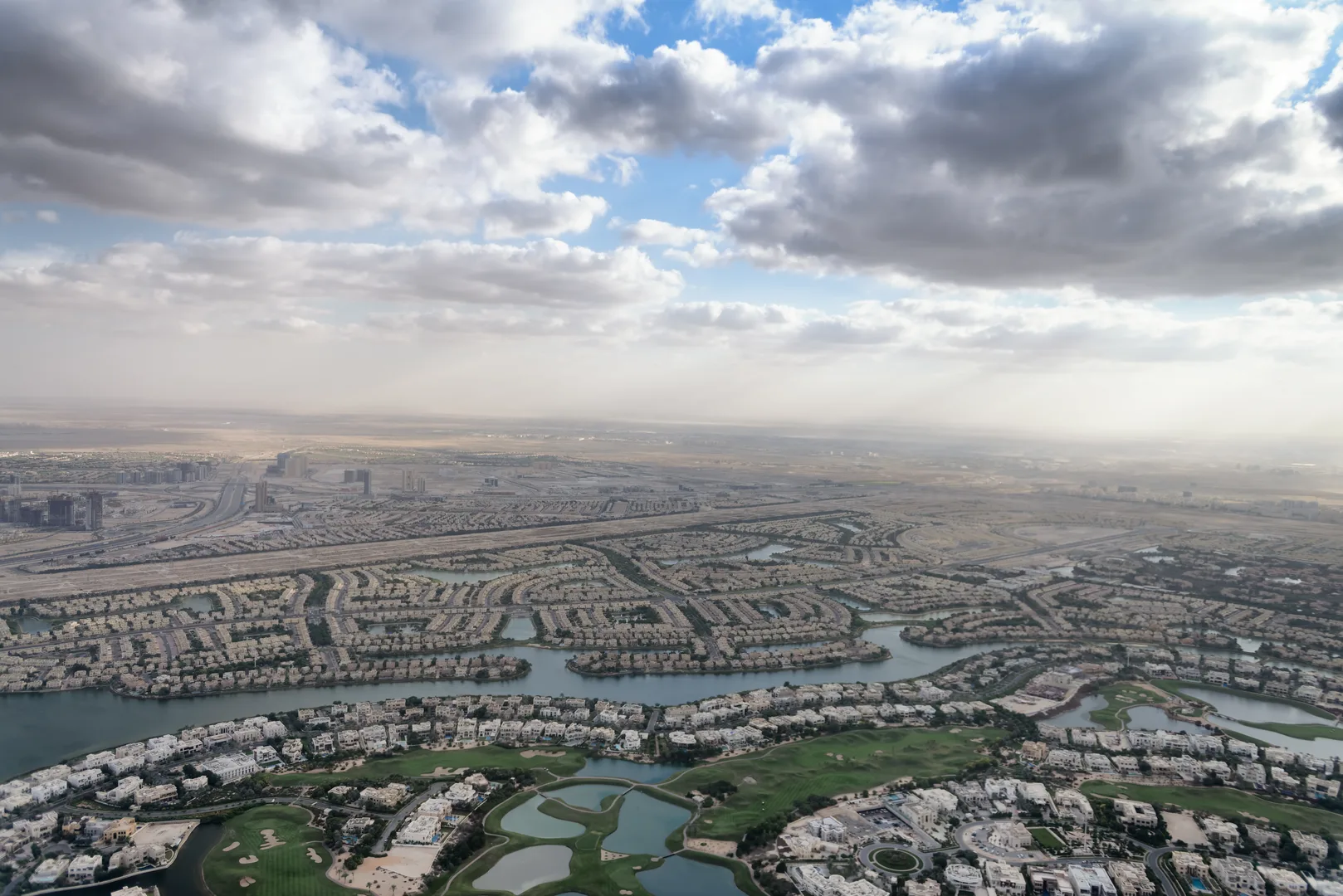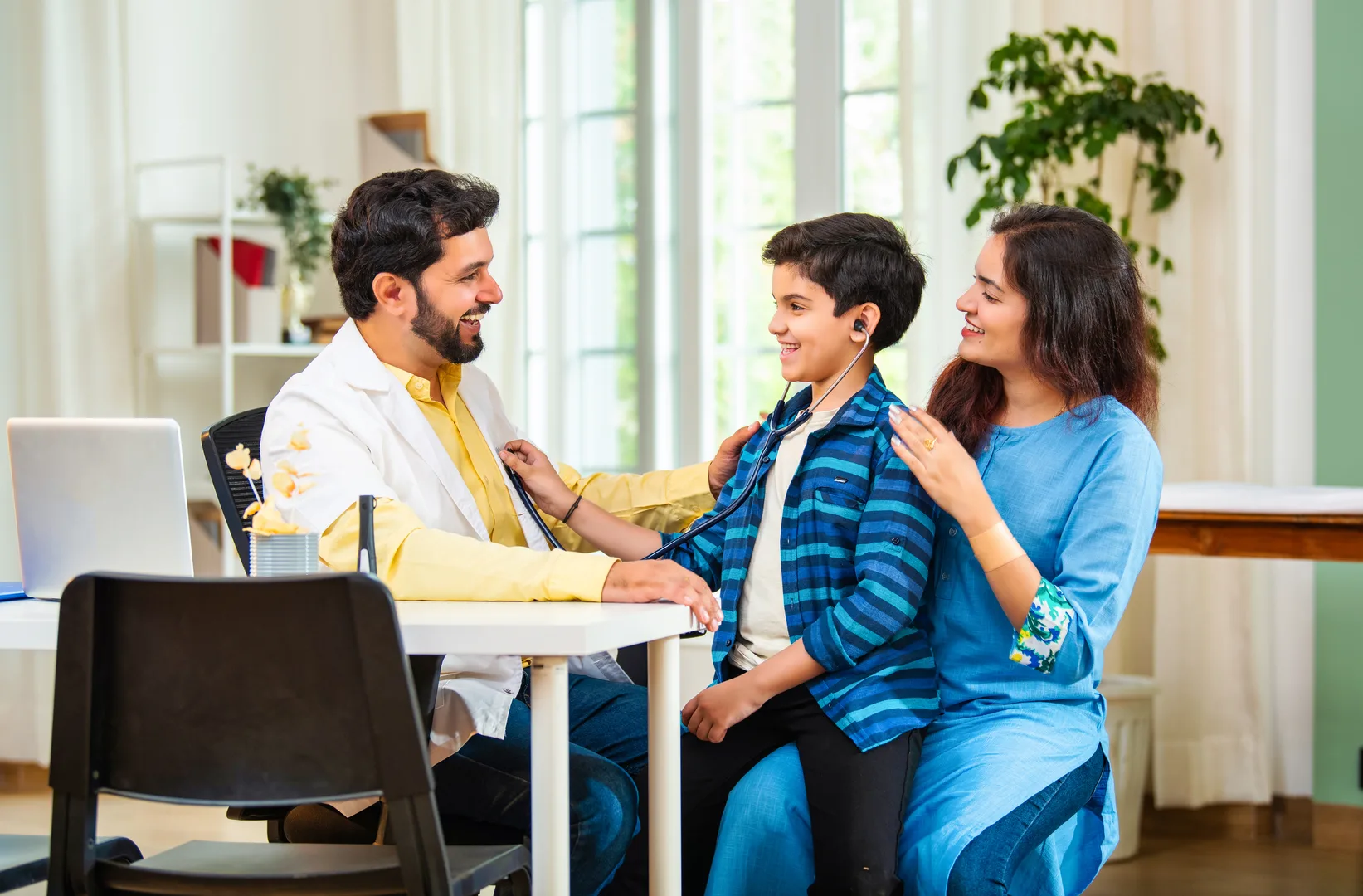
Dubai Areas Near Special-Needs Schools and Therapy Centers: Where to Buy 2026

- The 2017 KHDA "Dubai Inclusive Education Policy Framework" bans schools from refusing admission to Students of Determination and caps additional fees to documented, KHDA-approved Individualised Service Agreements.
- Strongest inclusion track records in Dubai 2026: Horizon English School (Al Safa), GEMS Wellington International (Al Sufouh), GEMS Wellington Academy DSO (Silicon Oasis), JESS (Arabian Ranches and Jumeirah), Dubai British School (Jumeirah Park), Safa British School.
- Two paediatric-therapy clusters dominate: Dubai Healthcare City / Jaddaf (Camali Clinic, Hope AMC) and Al Barsha / Al Sufouh (Al Noor Training Centre, multiple ABA providers near Mall of the Emirates).
- Most wheelchair-friendly master-planned communities: Dubai Hills Estate, The Sustainable City, Arabian Ranches 2/3, Dubai Creek Harbour — built to the Dubai Universal Design Code with wide pavements, ramped pedestrian crossings and accessible parks.
- ABA therapy in Dubai runs roughly AED 200-600 per hour or AED 15,000-60,000 per year; speech and occupational therapy are more commonly insured than ABA, which often runs on "pay and claim."
- Mercato Mall is the UAE's first certified autism-friendly mall (sensory-friendly hours 10:00-12:00, quiet zones, sensory kits); RTA has rolled out sensory rooms at major bus interchanges.
- Decision matrix at the bottom: match your child's primary need (autism / ADHD / physical / sensory / mild SEND) to the best 2-3 areas — there is no single "best" area, only best for your specific case.
Last updated: May 24, 2026
For families relocating to Dubai with a child who has additional learning, sensory or mobility needs, the "where do we live" question stops being a lifestyle preference and becomes a logistics decision. School commute time and therapy-centre proximity are non-negotiable. A 50-minute one-way drive to occupational therapy three times a week is the difference between a sustainable routine and a household that quietly collapses by month six.
This guide ranks Dubai communities through that lens. It draws on the KHDA Dubai Inclusive Education Policy Framework, current inclusion-quality reporting from the Dubai schools advisory community, paediatric-therapy provider mapping, and the practical accessibility experience of master-planned communities. Where data isn't independently verifiable, we say so rather than invent a number.
KHDA Inclusive Education: What's Mandated, What Varies
The legal floor is clear: in Dubai, a private school cannot refuse admission to a child solely on the basis of a special educational need or disability. That obligation is set out in the 2017 Dubai Inclusive Education Policy Framework issued by the Knowledge and Human Development Authority and applies to every KHDA-licensed school. The framework also introduced the now-standard UAE terminology of "Students of Determination" in place of older deficit-based language.
Where the framework has bite — and where it leaves room for huge variation — is in the cost and quality of inclusion provision once a child is admitted. Schools must publish an inclusion policy, allocate a Head of Inclusion, build an Individual Education Plan (IEP) for each Student of Determination, and provide reasonable accommodations within the standard fee. They cannot tack on a generic "SEN surcharge." Any additional fee can only be charged through a documented Individualised Service Agreement (ISA) registered with KHDA, which must show that the specific provision (one-to-one Learning Support Assistant, intensive specialist therapy on site, modified curriculum) sits outside the school's standard SoD offer.
This is the part parents most often misunderstand. The framework does not make inclusion free; it makes blanket SEN surcharges illegal and forces transparency on what extra you are actually paying for. KHDA's own guidance stresses that fees to families must be reasonable and reflect "good value for money," with high-cost specialist provision charged at "actual cost."
In practice, schools sit on a wide spectrum:
- True inclusion model: mainstream classroom with differentiation, in-class Learning Support Assistant where needed, on-site SEN specialists and visiting therapists. Most KHDA "Outstanding" and "Very Good" rated schools with a strong inclusion reputation operate here.
- Bolt-on support model: mainstream classroom but most support delivered as pull-out sessions; thinner specialist staffing; greater reliance on parents bringing in external therapists.
- Compliance-floor model: meets the statutory minimum but inclusion is not a strategic priority; suitable only for milder profiles.
- Specialist centres (non-KHDA mainstream): Al Noor Training Centre, Rashid Centre for People of Determination, Senses Residential & Day School and similar provision serve children whose needs cannot be met in mainstream — typically moderate to severe intellectual disability, complex autism, multiple disabilities.
The KHDA inspection report for any individual school includes a dedicated section on the provision for Students of Determination, rated separately from the overall school grade. Reading that section before signing anything matters more than the overall headline rating. School advisory site WhichSchoolAdvisor's Top Dubai Schools for SEND Inclusion aggregates these inspector judgements alongside parent feedback and is widely used by relocating families.
Top Inclusive Schools by Area
If you ask the Dubai SEND parent community in 2026 which schools consistently come up, the same handful of names recur. The list below is not exhaustive and every child's fit is individual — but these schools have built reputations for inclusion that go beyond marketing copy. Areas listed are where the school sits, which anchors the property-search radius.
| School | Area | Curriculum | Inclusion strength |
|---|---|---|---|
| Horizon English School | Al Safa | UK (Primary) | Broad SEND profile, strong reputation for nurturing primary inclusion culture. |
| GEMS Wellington International School | Al Sufouh | UK / IB | Multi-specialist inclusion team, visiting speech therapists, deep KHDA-rated provision. |
| GEMS Wellington Academy | Dubai Silicon Oasis | UK / IB | Notably high proportion of registered Students of Determination; mainstream inclusion at scale. |
| JESS Arabian Ranches | Arabian Ranches | UK | Established IEP and pastoral structure through Primary and Secondary inclusion programme. |
| JESS Jumeirah | Jumeirah 1 | UK (Primary) | Early intervention focus, phonics support, on-site occupational therapy access. |
| Dubai British School Jumeirah Park | Jumeirah Park | UK | Publishes structured inclusion policy and IEP framework; established Learning Support team. |
| Safa British School | Al Wasl | UK | Whole-school inclusion policy reviewed annually; mainstream provision with differentiation. |
| Kings' School Al Barsha | Al Barsha South | UK | Inclusion-positive culture, proximity to Al Barsha therapy cluster. |
Specialist (non-mainstream) provision: for children whose needs exceed mainstream capacity, Al Noor Training Centre for Persons with Disabilities in Al Barsha 1 (founded 1981, behind Mall of the Emirates) is the longest-standing dedicated centre. Rashid Centre for People of Determination in Al Garhoud is the other major option, alongside Senses Residential and Day School and Dubai Autism Center. These are not KHDA mainstream schools but are critical anchors in the special-needs ecosystem.
For a broader area-by-area mainstream view, see our international schools by area 2026 guide and the best Dubai areas for families rankings.
Therapy Center Geography — Where Major Providers Cluster
Therapy is the second axis of the decision. Most Dubai SEND families end up using somewhere between two and five external services in parallel — typically a mix of speech and language therapy, occupational therapy, ABA/behavioural therapy, paediatric psychology and physiotherapy. Whether those sit 10 minutes or 45 minutes from home determines whether a child gets consistent intervention or whether sessions quietly drop off the schedule.
The paediatric-therapy market in Dubai has two dominant geographic clusters and one emerging one:
- Dubai Healthcare City (DHCC) and Al Jaddaf. The single densest concentration of paediatric specialists in Dubai. Camali Clinic (child and adolescent mental health, psychiatry, psychology, OT, speech, behavioural therapy) is anchored in DHCC at the Ibn Sina Building, with a second JLT branch. Multiple speech-language pathology practices, paediatric neurology and developmental paediatric clinics sit within a few minutes' drive. Excellent for Bur Dubai, Downtown, Business Bay, Creek Harbour and Mirdif residents.
- Al Barsha / Al Sufouh / TECOM. Anchored by Al Noor Training Centre in Al Barsha 1 and a long tail of ABA, occupational therapy and speech clinics that grew up around it and around the GEMS / Mall of the Emirates schools cluster. Hope Abilitation Medical Centre (Hope AMC) operates in this belt with paediatric multi-discipline therapy. Ideal for residents of Al Barsha, Al Sufouh, JVC, JVT, Tecom, Dubai Hills Estate (eastern edge), Arabian Ranches via Al Khail Road.
- Motor City / Sports City / Damac Hills (emerging). Newer satellite clinics — including ABA-branded centres marketing to the Arabian Ranches, Damac Hills and Town Square corridor — have started filling the previously thin south-central gap. Coverage is patchier than the two mature clusters above, but for the new villa belt south of Al Qudra Road this is meaningful.
Two other geographies matter: Mirdif and Al Garhoud are well served by the Rashid Centre and the original Dubai Autism Center, and JLT hosts Camali's secondary branch plus several speech and OT practices.
| If you live in... | Nearest therapy cluster | Typical drive (off-peak) |
|---|---|---|
| Downtown / Business Bay / Creek Harbour | DHCC / Al Jaddaf | 10-20 min |
| Dubai Marina / JBR / Al Sufouh | Al Barsha / Al Sufouh + JLT | 10-20 min |
| Dubai Hills / Al Barsha / JVC / JVT | Al Barsha cluster | 5-15 min |
| Arabian Ranches / Mudon / Damac Hills | Al Barsha (via Al Khail) or south Dubai satellites | 20-30 min |
| Mirdif / Al Warqa / Al Garhoud | Rashid Centre / DHCC | 15-25 min |
| DSO / Academic City | GEMS Wellington Academy + DHCC | 15-25 min |
Two practical points the maps don't show. First, school-day pickup windows (12:30-15:30) are now Dubai's worst gridlock outside of evening rush — a "20 minute" drive from a southern villa belt to Al Barsha can become 45 minutes at 3pm. Plan therapy slots for late afternoon or early morning where the centre offers it. Second, several major centres now offer home-visit or in-school therapy at a premium, which collapses the geography problem entirely but adds AED 100-250 per hour.
Wheelchair-Accessible Communities
Dubai sits well ahead of regional peers on baseline accessibility infrastructure. The Dubai Universal Accessibility Strategy and Action Plan and the Dubai Universal Design Code now govern new public-realm construction, and Visit Dubai's accessibility guide documents the network of accessible beaches (Jumeirah 2, Jumeirah 3, Umm Suqeim 1, Umm Suqeim 2, Al Mamzar), beach wheelchairs, floating wheelchairs and dedicated parking. Metro stations are fully accessible, buses are low-floor, and People of Determination travel free on metro and buses with a personalised Nol card and are exempt from Salik tolls.
At the community level, accessibility quality tracks closely with how recently the master plan was built. Older Jumeirah villa pockets and many parts of Bur Dubai have narrow, uneven pavements, sand-edge curbs and limited ramped crossings — adequate for a stroller, marginal for a wheelchair user. Newer master-planned communities, by contrast, were built to the Universal Design Code with wide pavements, ramped pedestrian crossings, accessible parks and step-free villa entrances available as a build option.
| Community | Accessibility profile | Trade-off |
|---|---|---|
| Dubai Hills Estate | Wide pavements, ramped crossings, fully accessible 180,000 sqm Dubai Hills Park, audio signals at major crossings. | Premium prices; main retail (Dubai Hills Mall) requires car for some clusters. |
| The Sustainable City | Pedestrianised cluster cores, car-free spines, level paths, designed-in inclusivity. | Smaller community, longer drive to most therapy centres. |
| Arabian Ranches 2 / 3 | Modern villa pavements, accessible community parks, JESS on site. | Distance to DHCC therapy cluster. |
| Dubai Creek Harbour | Newest district built fully to UD code; ramped waterfront promenade; close to DHCC. | Apartments only in most phases; school options thinner on the island itself. |
| Mudon / Town Square | Modern, level pavements, family-park network, good for stroller-to-wheelchair transition. | Far from main therapy clusters; specialist school commute long. |
| Al Barsha South / JVC | Mixed — newer pockets good, older sub-clusters patchier. | Check the specific street before signing; not uniform. |
If physical accessibility is the dominant constraint, the practical short list is Dubai Hills Estate, The Sustainable City, Dubai Creek Harbour and Arabian Ranches 2/3 — all four built to the modern code. The next step down is Mudon, Town Square and the newer JVC clusters. Older Jumeirah and original Mirdif villa stock should be inspected in person before commitment.
For full area breakdowns, see our Dubai Hills Estate guide, Arabian Ranches guide, Sustainable City guide and Al Barsha guide.
Sensory-Friendly Amenities: Parks, Malls, Restaurants
Dubai has moved noticeably on sensory accessibility since 2024. The most documented step is the Dubai Autism Center partnering with Mercato Shopping Mall in Jumeirah to launch the UAE's first certified autism-friendly mall in April 2025, with sensory-friendly hours from 10:00 to 12:00 (reduced music, dimmed announcements), clear signage for high-sensory zones, designated quiet areas, and sensory kits (fidgets, noise-reducing aids) available at the customer service desk. For families with an autistic child, Mercato's location in Jumeirah 1 has become a routine destination for low-stress outings.
Beyond Mercato, the broader landscape has progressed in identifiable steps:
- RTA sensory rooms. Major bus interchanges have introduced sensory rooms to give children with autism a quiet space away from station noise. Practical for families relying on public transport on therapy days.
- Certified Autism Centres. Eight Dubai attractions have been recognised as Certified Autism Centres under the international IBCCES scheme, including major theme-park and visitor operators. The certification covers staff training, sensory guides, and on-site quiet zones.
- Accessible beaches. Jumeirah 1-3, Umm Suqeim 1-2, Al Mamzar Creek and Corniche beaches offer wheelchair-accessible ramps and floating wheelchairs at no cost — the largest concentration is in the Jumeirah-Umm Suqeim corridor, which makes beachside Jumeirah villa neighbourhoods especially functional for wheelchair-user families.
- Park accessibility. Dubai Hills Park and the major Mudon and Town Square community parks include ramped paths, accessible play equipment and wheelchair-accessible restrooms. Smaller community pocket parks in older Jumeirah and Bur Dubai are inconsistent.
- Restaurants. No formal certification system exists for autism-friendly dining yet; in practice families rely on word-of-mouth lists in community Facebook and WhatsApp groups, with quieter, table-service venues in Dubai Hills Mall, City Walk and the Sustainable City Plaza most frequently recommended.
This is an area where the regulatory floor (universal design in public space) is now solid but the experiential layer (sensory-friendly hours at supermarkets, mainstream restaurants and play centres) still depends heavily on which operator you encounter. Building a personal "tested venues" list is part of the relocation process, and the Dubai Autism Center, IBCCES-certified directories and local parent groups are the most efficient starting points.
Living in Dubai?
Dubai Living Tips Weekly
Cost-of-living data, neighborhood guides, and practical expat tips — every week.
✓ You're in! Check your inbox.
Real Family Cases: 3 Relocation Stories
Three composite cases drawn from common patterns in the Dubai SEND parent community. Names and identifying details are removed; numbers reflect typical 2026 ranges.
Priorities: KHDA-Outstanding school with strong inclusion, English-mother-tongue speech therapy, walkable community. Choice: Al Sufouh / Umm Suqeim 1 apartment near GEMS Wellington International. Speech therapy and OT booked at a Sufouh-cluster clinic. Total monthly extras vs a mainstream sibling: AED ~6,500 (ISA top-up, speech, OT, evening tutoring). Drive to school: 7 minutes.
Priorities: 20+ hours/week ABA, English-medium FS2 school willing to coordinate with home programme. Choice: villa rental in Mudon, ABA delivered partly in home and partly at Al Barsha centre, FS2 place at an Inclusion-positive Al Barsha school. ABA cost approximately AED 35,000-50,000/year. Drive to centre: 25 minutes. Trade-off: school commute by school bus 35-45 minutes each way; family chose villa space for child's regulation needs over commute time.
Priorities: step-free villa, fully accessible community pavements and parks, physiotherapy access, secondary school with strong inclusion. Choice: ground-floor villa in Dubai Hills Estate, school at a Tier-1 UK-curriculum school within 15 minutes. Weekly physio split between in-home and a DHCC paediatric clinic. Used the accessible Jumeirah 3 beach weekly. Net assessment after 18 months: best lifestyle-fit decision they could have made; would not have worked in older Jumeirah or original Mirdif stock.
The recurring pattern across these cases is that nobody optimises a single variable. Every family trades school proximity against therapy access, community accessibility against budget, and lifestyle radius against commute fatigue. The right answer is rarely the prettiest area on a tour — it is the one where the weekly logistics actually work.
Insurance Coverage for Special-Needs Care
This is where Dubai's reality diverges from many newcomers' expectations. The headline regulatory progress is real: the Dubai Health Authority has tightened mental-health coverage minimums on compliant insurance plans, and ABA-tier therapies have become more frequently covered in higher-band plans than they were five years ago. But the fine print still matters far more than the marketing.
The practical 2026 picture:
- Speech and occupational therapy are the most commonly covered services, especially on mid- and high-band employer plans, typically with annual caps in the low-thousands of AED and pre-authorisation required.
- ABA therapy is the least consistently covered. Higher-band international plans sometimes include it; many essential and mid-band plans either exclude it or cap it tightly. Most specialist ABA centres operate on a "pay and claim" basis — you pay the centre directly, then claim from your insurer with full clinical documentation.
- Paediatric psychiatry and psychology are now subject to enhanced DHA mental-health minimums on DHA-compliant plans, with outpatient caps and prohibitions on certain claim rejections. Reach the cap and you're paying out of pocket.
- Pre-authorisation can take two to four weeks for ABA-tier interventions, and requires a formal diagnostic report from a licensed paediatric psychiatrist or developmental paediatrician.
- Plan switching at renewal can trigger pre-existing-condition exclusions for newly diagnosed conditions — important to discuss with a broker before changing insurer mid-treatment.
Before signing a tenancy in a specific area, run the actual policy you will hold (your own or your employer's) past the specific therapy centres you would use in that area. Confirm: which services they cover, the annual cap, the reimbursement rate (e.g., 80% direct billing vs full pay-and-claim), the documentation required and the pre-authorisation lead time. Two families with identically named "comprehensive" plans can end up with radically different out-of-pocket totals.
For the wider expat healthcare picture, see our Dubai healthcare guide.
Cost Reality: Fees, Therapy, Transport
Aggregating the typical monthly and annual cost lines for a family with one Student of Determination in mainstream school plus regular external therapy:
| Cost line | Typical 2026 range (AED) | Notes |
|---|---|---|
| Mainstream school annual fee (KHDA Good - Outstanding) | ~50,000 - 110,000 | Tier-1 UK and IB schools toward the upper end. |
| ISA (Individualised Service Agreement) top-up | Variable, documented case-by-case | KHDA-approved; covers specific extras only. |
| Specialist (non-mainstream) school fee | Varies by provision intensity | Confirm with the centre; subsidised places exist at some. |
| Speech therapy (per session) | ~300 - 700 | Often partly insured on mid-band plans. |
| Occupational therapy (per session) | ~300 - 700 | Similar coverage profile to speech. |
| ABA therapy (per hour) | ~200 - 600 | Often "pay and claim"; package discounts common. |
| ABA therapy (annual programme) | ~15,000 - 60,000 | Intensity-driven; varies hugely. |
| Diagnostic assessment (initial) | ~3,000 - 10,000 | Required for insurance pre-auth and ISA. |
| In-school 1:1 Learning Support Assistant (where required) | Charged via ISA at actual cost | Can be the largest add-on line. |
Insurance offsets some of these but rarely all. A realistic annualised out-of-pocket "SEND premium" on top of standard family costs commonly runs from AED 20,000 (mild profile, mostly insured therapies) to AED 100,000+ (intensive ABA + 1:1 LSA + multiple external therapies) per child.
The cost reality of school fees specifically — including how KHDA caps work, why "Outstanding" rated schools price the highest, and how schools fees have moved since 2020 — is broken down in our international schools by area 2026 piece. For the broader family-relocation cost picture, see cost of living 2026 and moving to Dubai with family.
Decision Matrix by Need Type
The combined geography of inclusive schools, paediatric therapy clusters and accessibility-grade communities produces a different "best three" depending on which need dominates. The matrix below collapses the analysis into a starting short list — refine by visiting the actual specific properties, schools and centres.
| Primary need | Strongest 2-3 areas | Why |
|---|---|---|
| Autism (mainstream-capable) | Al Sufouh / Umm Suqeim, Al Barsha South, Dubai Hills Estate | Cluster of inclusion-strong schools + dense therapy market. |
| Autism (intensive ABA programme) | Al Barsha South / Mudon / JVC | Maximises hours/week feasible by minimising drive time. |
| ADHD / mild SEND | Any of the major family communities — school pick > area | Differentiation in class is the dominant lever; therapy needs lighter. |
| Dyslexia / specific learning difficulty | Wherever a strong literacy-specialist school sits — Al Safa, Jumeirah Park, Arabian Ranches | Targeted phonics and literacy intervention more impactful than geography. |
| Physical disability / wheelchair user | Dubai Hills Estate, The Sustainable City, Dubai Creek Harbour | Modern Universal Design infrastructure; accessible parks; level pavements. |
| Sensory processing / regulation-led | Villa community (Mudon / Arabian Ranches 3) + Jumeirah for Mercato access | Home regulation space + access to sensory-friendly mall is a meaningful weekly lever. |
| Severe / complex needs (specialist centre route) | Al Barsha (Al Noor) or Al Garhoud (Rashid Centre) catchment | Daily attendance feasibility is the binding constraint. |
One pattern to flag: families relocating from outside the Gulf often arrive convinced they need to live "near everything" and end up choosing very central, very expensive apartments. After six months they realise that with the right villa community and Salik network, a 20-minute drive twice a week to a therapy cluster is far more sustainable than an over-stretched budget. The reverse is also true — families who optimise hard on villa price and find themselves 45 minutes from every appointment burn out fast. The middle ground (a quality master-planned community within 20-25 minutes of your dominant therapy cluster) is where almost every successful long-stay SEND family lands.
For the broader buy-decision framework that also applies to SEND families, see our buy property in Dubai pillar and the moving to Dubai pillar. For families specifically prioritising community fit, see best family-friendly communities 2026.
Frequently Asked Questions
Can a Dubai school refuse to admit my child because of their special needs?
No. Under the 2017 KHDA Dubai Inclusive Education Policy Framework, KHDA-licensed private schools cannot refuse admission to a Student of Determination solely on the basis of a special educational need or disability. Schools must demonstrate that any decline is based on documented inability to meet the child's specific provision needs, and they are required to operate published inclusion policies. The framework also bans blanket SEN surcharges — any additional fee can only be charged through a documented KHDA-registered Individualised Service Agreement.
Which Dubai schools have the strongest reputation for inclusion in 2026?
Among mainstream schools: Horizon English School (Al Safa), GEMS Wellington International School (Al Sufouh), GEMS Wellington Academy (Silicon Oasis), JESS Arabian Ranches, JESS Jumeirah, Dubai British School Jumeirah Park and Safa British School are consistently cited by the Dubai SEND parent community and by KHDA inspection inclusion ratings. For specialist (non-mainstream) provision, Al Noor Training Centre in Al Barsha and the Rashid Centre for People of Determination in Al Garhoud are the longest-established anchors.
Where are most paediatric therapy centres in Dubai concentrated?
Two clusters dominate. Dubai Healthcare City (DHCC) and Al Jaddaf host Camali Clinic and a dense paediatric multi-discipline market — strongest for residents of Downtown, Business Bay, Creek Harbour, Bur Dubai and Mirdif. Al Barsha and Al Sufouh host Al Noor Training Centre, Hope AMC and the largest concentration of ABA clinics — strongest for Al Barsha, JVC, JVT, Dubai Hills, Tecom and Al Sufouh residents. Newer satellite clinics in Motor City and around Damac Hills are starting to serve the southern villa belt.
How much does ABA therapy cost in Dubai in 2026?
Hourly rates typically range from about AED 200 to AED 600 depending on the therapist's credentials, the centre and whether sessions are clinic, school or home-based. Annual programmes commonly land between AED 15,000 and AED 60,000 depending on intensity. Many centres offer block discounts of 5-15% for committed packages. Most specialist ABA providers operate on a "pay and claim" basis, meaning you pay upfront and claim reimbursement from your insurer subject to your plan's coverage and caps.
Does UAE health insurance cover ABA, speech and occupational therapy?
Speech and occupational therapy are more commonly covered than ABA, especially on mid- and high-band employer plans, typically with annual caps and pre-authorisation requirements. ABA coverage is more selective — included in some higher-band international plans but excluded or tightly capped on many essential and mid-band plans. Paediatric psychiatry and psychology are subject to enhanced DHA mental-health minimums on DHA-compliant plans. Always confirm specific service coverage, annual caps and pre-authorisation lead times with your insurer and the specific therapy provider before committing to a plan.
Which Dubai communities are best for a wheelchair-using child?
Dubai Hills Estate, The Sustainable City, Dubai Creek Harbour and Arabian Ranches 2/3 are the most consistently wheelchair-friendly master-planned communities — built to the Dubai Universal Design Code with wide pavements, ramped pedestrian crossings, accessible community parks and step-free villa entrances available as a build option. Mudon, Town Square and newer JVC clusters are the next tier. Older Jumeirah villa pockets and original Mirdif stock often have narrow or uneven pavements and should be inspected in person before commitment.
Are there sensory-friendly malls and public spaces in Dubai?
Yes. Mercato Shopping Mall in Jumeirah became the UAE's first certified autism-friendly mall in 2025, with sensory-friendly hours (10:00-12:00), quiet zones, dimmed announcements and sensory kits at the customer service desk. Dubai's Roads and Transport Authority has rolled out sensory rooms at major bus interchanges, eight Dubai attractions are recognised as Certified Autism Centres, and public beaches in the Jumeirah-Umm Suqeim corridor provide wheelchair-accessible ramps and floating wheelchairs at no cost.
Should we rent before buying when relocating with a child who has special needs?
Almost always yes. The combination of school fit, therapy cluster proximity, community accessibility and household routine is impossible to fully evaluate from outside Dubai. A 12-month rental in a candidate area lets you test the school, confirm the therapy schedule actually works week-to-week, and validate that pavements, parks and amenities suit your child before you commit purchase capital. Most SEND families who buy successfully do so 12-24 months after arrival, in or adjacent to the area they rented first.
Where can I find the official KHDA documentation on inclusive education?
The framework documents are published on the KHDA website at web.khda.gov.ae under Resources and Publications. The Dubai Inclusive Education Policy Framework, Directives and Guidelines for Inclusive Education, and individual school inspection reports (which include a dedicated provision-for-Students-of-Determination section) are all freely available. The UAE Government portal at u.ae also hosts the National Autism Policy and broader people-of-determination policy resources.
Build your short list around two non-negotiables: the school's inclusion track record (read the KHDA report's Students-of-Determination section, not just the headline rating) and the realistic weekly drive to your dominant therapy cluster. Start with our moving to Dubai pillar for the wider relocation framework, then use the buy property in Dubai pillar when you're ready to convert a successful rental into a long-term home. The REC community includes many families further down this path who have generously documented what worked — and what didn't.
Settling into Dubai?
Ask us anything about living here — or get matched with trusted local services.
Thank You!
We'll get back to you within 24 hours.
Home Maintenance & Cleaning in Dubai
Explore providers from our business directory
Still have questions?
Ask a follow-up, or get connected with a vetted Dubai professional.
Join our Telegram channel
Handover alerts, new launches & DLD data — first, in real time.