Dubai Real Estate Tokenization: DLD's New Blockchain Property Rules Explained

- Dubai Land Department (DLD) launched its Phase II tokenization framework in February 2026, allowing fractional property ownership via blockchain tokens.
- Investors can own a fraction of high-value Dubai properties starting from approximately AED 50,000, with 24/7 trading on licensed platforms.
- VARA (Virtual Assets Regulatory Authority) and DLD jointly regulate tokenized real estate, providing investor protections including mandatory escrow and audited smart contracts.
- Both freehold residential and commercial properties in designated zones are eligible for tokenization under the new rules.
- While tokenization opens global access to Dubai property, investors must understand liquidity risks, tax implications, and cross-border legal considerations.
Real estate has long been considered one of the most stable asset classes in the world, but also one of the most illiquid. Buying property in Dubai — where prime apartments can cost AED 5 million and villas in Palm Jumeirah routinely exceed AED 30 million — has traditionally required substantial capital, extensive paperwork, and weeks of transaction processing. That paradigm is now shifting fundamentally.
Dubai is positioning itself at the forefront of a global movement to tokenize real estate assets using blockchain technology. Through a series of regulatory initiatives led by the Dubai Land Department (DLD) and the Virtual Assets Regulatory Authority (VARA), the emirate is creating a framework that allows property to be divided into digital tokens, each representing a fractional share of ownership. This isn't a theoretical concept or a pilot project anymore — it's becoming an operational reality that could reshape how property is bought, sold, and invested in across the UAE and beyond.
In this comprehensive guide, we explain exactly what DLD's new blockchain property rules mean for investors, property owners, and the broader Dubai real estate market, including how tokenization works, what's eligible, and how you can participate.
DLD's Tokenization Initiative: From Pilot to Policy
Phase I: The 2024 Pilot Program
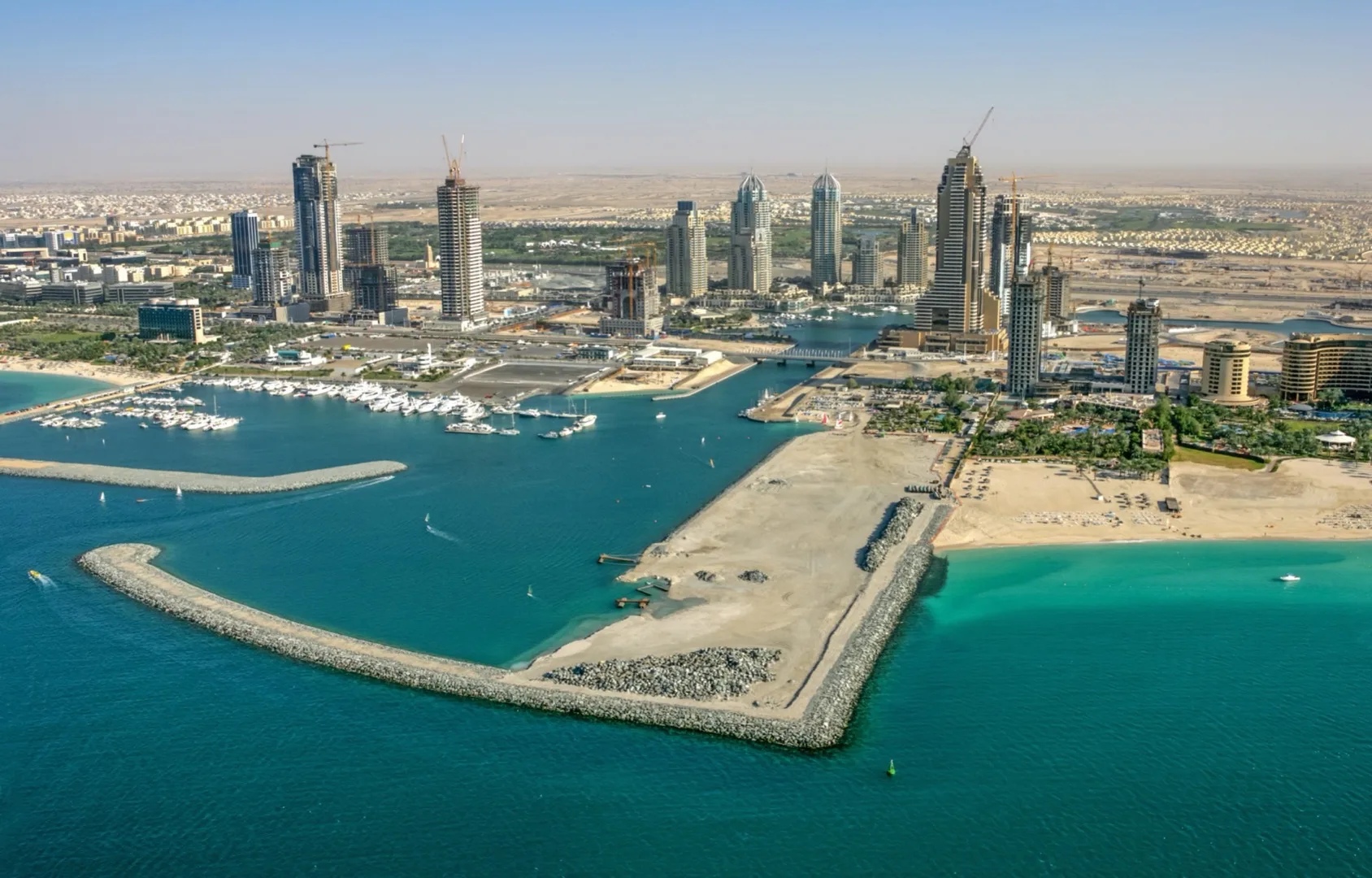
Dubai Land Department's journey into real estate tokenization began in earnest in 2024 with a carefully structured pilot program. Working with select blockchain platforms and licensed real estate developers, DLD tokenized a small portfolio of properties in Dubai Marina and Business Bay as proof-of-concept projects. The pilot involved approximately AED 300 million worth of property across 12 assets, with tokens sold to a vetted group of institutional and high-net-worth investors.
The pilot served multiple purposes: testing the technical infrastructure for recording tokenized ownership on DLD's title deed registry, evaluating smart contract reliability for automated rental distributions, and identifying regulatory gaps that needed to be addressed before broader rollout. By the end of 2024, DLD reported that the pilot had been "overwhelmingly successful," with all rental distributions executed automatically via smart contracts and zero disputes over ownership records.
Phase II: The February 2026 Expansion
Building on the pilot's success, DLD announced its Phase II tokenization framework in February 2026. This expansion represents a significant leap from controlled experiment to regulated market. Key elements of Phase II include:
- Open market participation: Any investor who passes KYC/AML requirements can now purchase tokenized property shares, not just institutional players.
- Expanded asset eligibility: Both residential and commercial freehold properties in all designated freehold zones are eligible for tokenization.
- Licensed platform requirements: Tokenized properties can only be traded on platforms that hold both a VARA license and a DLD-approved tokenization permit.
- Mandatory title deed integration: Every tokenized ownership share is recorded on DLD's blockchain-enhanced title deed registry, giving token holders the same legal standing as traditional property owners.
- Minimum fractional threshold: Properties can be divided into a maximum of 10,000 tokens, with a minimum token value of AED 5,000.
DLD has partnered with several blockchain platforms for Phase II, including established players in the UAE's virtual asset ecosystem. The department has also collaborated with the Dubai Future Foundation on the technical standards for property tokens, ensuring interoperability across licensed trading platforms.
How Property Tokenization Works
At its core, real estate tokenization is the process of converting ownership rights in a property into digital tokens on a blockchain. Each token represents a proportional share of the property, including the right to receive rental income and benefit from capital appreciation. Here's how the process works under DLD's framework:
Step 1: Property Qualification and Valuation
A property owner or developer applies to DLD to tokenize an asset. The property must be in a designated freehold zone, free of encumbrances (no outstanding mortgages or disputes), and must undergo an independent valuation by a DLD-approved appraiser. For example, a two-bedroom apartment in Dubai Marina valued at AED 2.5 million would receive an official valuation certificate.
Step 2: Legal Structuring
The property is placed into a Special Purpose Vehicle (SPV) — a legal entity created solely to hold that specific asset. This SPV structure is critical because it allows the property to be divided into shares without fragmenting the actual title deed. The SPV is registered with DLD, and its operating agreement defines token holder rights, including voting on major decisions (such as selling the property), rental distribution schedules, and expense allocation.
Step 3: Token Creation and Smart Contract Deployment
A licensed tokenization platform creates digital tokens representing shares in the SPV. Smart contracts — self-executing code on the blockchain — are deployed to automate key functions: distributing rental income proportionally to token holders, enforcing transfer restrictions (such as preventing sales to non-KYC'd individuals), and recording all ownership changes on the blockchain.
Under DLD rules, these smart contracts must be audited by an approved third-party security firm before deployment, and the audit report must be publicly available to potential investors.
Step 4: Token Sale and Trading
Tokens are offered to investors through the licensed platform, either via an initial offering (similar to an IPO for property) or on the secondary market. Investors purchase tokens using either fiat currency (AED, USD) or approved cryptocurrencies, depending on the platform. Every transaction is recorded on the blockchain and simultaneously reflected in DLD's title deed registry.
Step 5: Ongoing Management and Income Distribution
A licensed property management company handles the physical asset — finding tenants, maintaining the property, and collecting rent. Rental income (minus management fees and expenses) is distributed to token holders automatically via smart contracts, typically on a monthly or quarterly basis. Token holders can monitor their income, property performance, and ownership status through the platform's dashboard.
Regulatory Framework: VARA and DLD Working Together
One of Dubai's key advantages in real estate tokenization is its existing regulatory infrastructure for virtual assets. The framework governing tokenized property involves two primary regulators:
VARA (Virtual Assets Regulatory Authority)
Established in 2022, VARA is the world's first dedicated virtual asset regulator. In the context of property tokenization, VARA is responsible for:
- Licensing and supervising tokenization platforms
- Setting standards for token creation, trading, and custody
- Enforcing anti-money laundering (AML) and know-your-customer (KYC) requirements
- Regulating the marketing and promotion of tokenized property offerings
- Overseeing the security auditing of smart contracts
VARA's involvement means that tokenized property platforms in Dubai must meet the same rigorous standards as other virtual asset service providers, including maintaining segregated client accounts, publishing regular financial reports, and carrying professional indemnity insurance.
Dubai Land Department (DLD)
DLD's role focuses on the real estate side of the equation:
- Approving which properties can be tokenized
- Integrating tokenized ownership records into the official title deed registry
- Setting rules for SPV structures and property management
- Establishing dispute resolution mechanisms for token holders
- Defining the rights and obligations of fractional owners
Investor Protections
The joint VARA-DLD framework includes several investor protection mechanisms:
- Mandatory escrow: Funds from token sales are held in escrow until the offering is fully subscribed or a minimum threshold is met.
- Cooling-off period: Retail investors have a 48-hour cooling-off period after purchasing tokens in an initial offering.
- Disclosure requirements: Token issuers must provide a comprehensive property information memorandum including valuation reports, rental projections, expense forecasts, and risk factors.
- Audited smart contracts: All smart contracts must be audited by an approved firm, with reports publicly accessible.
- Dispute resolution: Token holder disputes can be escalated to DLD's existing Rental Disputes Settlement Centre.
For investors considering other legal structures for property investment in Dubai, it's worth understanding the alternatives — our guide on setting up a company in Dubai to buy property covers the traditional corporate ownership route.
Types of Tokenized Properties
Eligible Property Types
Under DLD's Phase II framework, the following property types are eligible for tokenization:
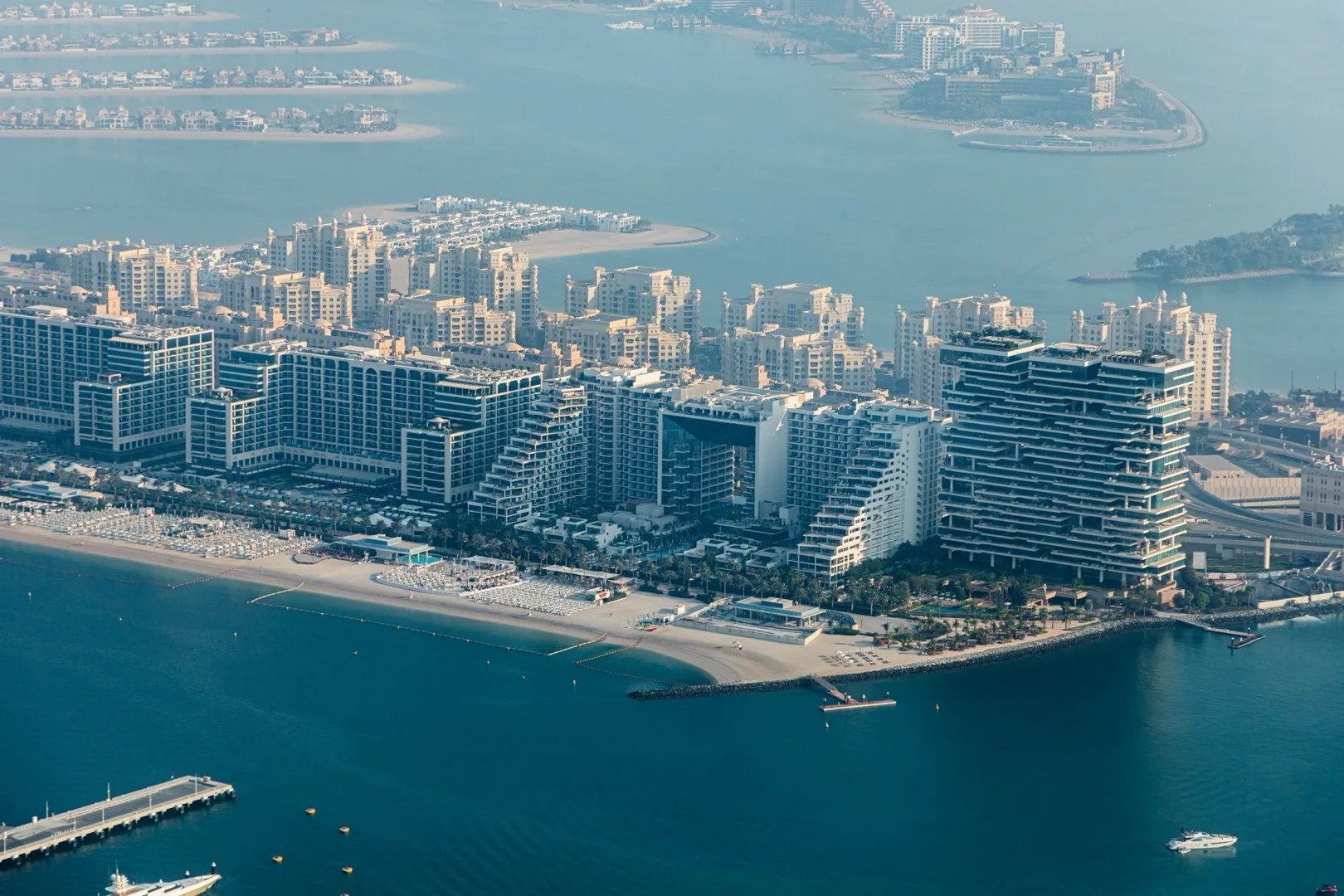
- Freehold residential: Apartments, penthouses, townhouses, and villas in designated freehold zones (Dubai Marina, Downtown Dubai, Palm Jumeirah, JBR, Business Bay, Dubai Hills, Arabian Ranches, and others).
- Freehold commercial: Office spaces, retail units, and warehouse properties in freehold commercial zones.
- Completed properties only: As of Phase II, only completed and handed-over properties are eligible. Off-plan properties are excluded due to the additional risk layers they introduce. For those interested in off-plan purchases through traditional channels, see our guide to Dubai off-plan payment plans.
Not Currently Eligible
- Leasehold properties (99-year or otherwise)
- Properties with outstanding mortgages or liens
- Properties under dispute or litigation
- Off-plan or under-construction projects
- Government-owned or social housing
DLD has indicated that leasehold tokenization may be included in a future Phase III, pending additional legal frameworks for handling lease expiry scenarios in a tokenized context.
Benefits for Investors
1. Dramatically Lower Entry Barrier
The most immediate benefit is accessibility. Instead of needing AED 1–5 million to buy a Dubai apartment, investors can own a fractional share for as little as AED 50,000. A property worth AED 5 million divided into 100 tokens means each token costs AED 50,000 — making Dubai real estate accessible to a far broader investor base. To understand which properties offer the best returns, see our analysis of the best areas to buy property in Dubai for 2026.
2. Enhanced Liquidity
Traditional property sales in Dubai take 30–90 days to complete, involving NOC applications, DLD transfers, and bank processes. Tokenized property shares can be traded on licensed platforms within minutes, with settlement happening on the blockchain in near real-time. This transforms real estate from one of the least liquid asset classes into something approaching the liquidity of publicly traded securities.
3. 24/7 Global Market Access
Unlike traditional real estate transactions that require in-person visits, notarizations, and working-hour processing, tokenized property trades can happen 24 hours a day, seven days a week, from anywhere in the world. An investor in London can buy a share of a Dubai Marina apartment at midnight on a Saturday — something impossible in the traditional market.
4. Transparent Income Distribution
Smart contracts automate rental income distribution, eliminating the delays and disputes common in traditional joint ownership arrangements. Every transaction — from rental collection to expense deduction to income distribution — is recorded on the blockchain and visible to all token holders in real time.
5. Portfolio Diversification
Instead of putting AED 2 million into a single apartment, an investor could spread the same amount across 10–20 tokenized properties across different locations, types, and price points. This diversification reduces concentration risk and provides exposure to a broader slice of the Dubai property market.
6. Potential Golden Visa Eligibility
DLD has indicated that tokenized property ownership may count toward Golden Visa property investment thresholds, provided the total tokenized property value held by an individual meets or exceeds the minimum requirement (currently AED 2 million). Final regulations on this point are expected by mid-2026.
Risks and Challenges
While tokenization offers compelling benefits, investors must also understand the risks:
1. Regulatory Evolution
The regulatory framework for tokenized real estate is still maturing. Rules may change as VARA and DLD gather market data from Phase II. Investors should be prepared for evolving compliance requirements, reporting obligations, and potentially new fee structures. What is permitted today may be restricted or modified tomorrow.
2. Liquidity Risk
While tokenization theoretically improves liquidity, actual liquidity depends on market depth — the number of willing buyers and sellers at any given time. In the early stages, some tokenized property markets may be thinly traded, making it difficult to sell large positions without significant price impact. Liquidity during market downturns could evaporate entirely.
3. Technology Risk
Blockchain technology, while proven, is not without vulnerabilities. Smart contract bugs, platform outages, and cybersecurity breaches are real risks. The collapse of several crypto platforms in 2022 demonstrated that technology risk in digital asset markets can lead to total loss of investment. DLD's mandatory smart contract audits mitigate but do not eliminate this risk.
4. Tax Implications
While the UAE itself has no personal income tax and no capital gains tax on property, investors from other jurisdictions may face tax obligations in their home country on income and gains from tokenized Dubai property. The tax treatment of tokenized real estate is untested territory in most jurisdictions, creating uncertainty that investors must navigate with professional advice.
5. Cross-Border Legal Questions
If a UK investor holds tokens representing a share of a Dubai property and a dispute arises, which jurisdiction governs? While DLD has established dispute resolution mechanisms, cross-border enforcement remains a complex legal question, particularly for investors in countries that don't recognize tokenized property ownership.
6. Valuation Challenges
Property tokens may trade at prices that diverge from the underlying property value — either at a premium due to hype or at a discount due to illiquidity concerns. This disconnect between token price and property value can create confusion and lead to over- or under-valuation of an investor's portfolio.
7. Limited Control
Fractional owners have limited control over property management decisions. While major decisions (like selling the property) require token holder voting, day-to-day management is delegated to the property management company. If that company underperforms, minority token holders have limited recourse.
Following the Market?
Get Market Data in Your Inbox
DLD transaction data, price trends, and quarterly forecasts — before everyone else.
✓ You're in! Check your inbox.
How to Invest in Tokenized Dubai Property
Step 1: Choose a Licensed Platform
Only invest through platforms that hold both a VARA license and a DLD tokenization permit. As of early 2026, several platforms have received or are in the process of receiving these dual licenses. Check VARA's public registry and DLD's approved tokenization partner list before committing funds to any platform.
Step 2: Complete KYC/AML Verification
All platforms require identity verification in compliance with UAE anti-money laundering regulations. You'll need to provide:
- Valid passport or Emirates ID
- Proof of address (utility bill or bank statement, less than 3 months old)
- Source of funds documentation for investments above AED 500,000
- Tax identification number from your country of residence (for non-UAE residents)
Step 3: Fund Your Account
Most platforms accept bank transfers in AED or USD. Some also accept approved cryptocurrencies (typically USDT or USDC on approved blockchains). Credit card funding is generally not accepted for regulatory reasons.
Step 4: Research Available Properties
Review the property information memorandum for each tokenized asset, including:
- Independent valuation report
- Historical and projected rental yields
- Management fee structure
- Smart contract audit report
- SPV operating agreement
- Risk factors disclosure
Step 5: Purchase Tokens
Buy tokens either in an initial offering or on the secondary market. For initial offerings, funds are held in escrow until the minimum subscription threshold is met. For secondary market purchases, settlement typically occurs within minutes on the blockchain.
Step 6: Monitor and Manage
Track your investment through the platform's dashboard, receive automated rental distributions, and participate in token holder votes when required. Most platforms provide mobile apps for real-time portfolio monitoring.
Impact on the Traditional Real Estate Market
Tokenization raises important questions about the future of Dubai's traditional property market:
Will Tokenization Disrupt Brokers?
Not immediately, but the long-term implications are significant. Traditional brokers earn 2% commission on property sales. If a substantial portion of property transactions move to tokenized platforms, the role of the broker shifts from transaction facilitator to property advisor. Brokers who adapt by offering tokenization advisory services will thrive; those who resist may see their market share erode over the next 5–10 years.
Impact on DLD Fees
Currently, DLD charges a 4% transfer fee on property sales. For tokenized properties, DLD has introduced a differentiated fee structure: 1% on initial token offerings and 0.5% on secondary market trades, capped at AED 50,000 per transaction. This lower fee structure reflects the reduced administrative burden of blockchain-based transfers and is designed to encourage adoption.
Creating a New Asset Class
Perhaps the most profound impact is the creation of an entirely new asset class. Tokenized Dubai property sits at the intersection of real estate, digital assets, and securities — attracting a new category of investor who wouldn't traditionally buy physical property. This could expand the total addressable market for Dubai real estate significantly, as highlighted in the Q1 2026 market report.
Impact on Property Prices
By broadening access to Dubai real estate, tokenization could increase demand and put upward pressure on property values. If millions of global investors can suddenly access Dubai property with AED 50,000 instead of AED 2 million, the expanded buyer pool could drive prices higher — particularly for the types of prime properties most likely to be tokenized first.
International Comparison: How Dubai Stacks Up
Dubai is not the only jurisdiction exploring real estate tokenization, but it is arguably the most advanced in terms of regulatory integration. Here's how it compares to other markets — for a broader investment comparison, see our Dubai vs. Singapore property comparison:
Singapore
The Monetary Authority of Singapore (MAS) has allowed tokenized securities including real estate under its existing capital markets framework. However, Singapore lacks a dedicated registry integration like DLD's title deed system, meaning tokenized property ownership exists as a financial instrument rather than being recorded on the official property register. Singapore's approach is more conservative — functional but less integrated.
United Kingdom
The UK's Financial Conduct Authority (FCA) treats tokenized real estate as a security token, subject to prospectus requirements and investor accreditation rules. This makes UK tokenization more restrictive and expensive to launch than Dubai's framework. The UK's Land Registry has conducted exploratory pilots on blockchain title registration but has not committed to a timeline for integration.
United States
US real estate tokenization operates under SEC regulations, which impose significant compliance costs and restrict offerings primarily to accredited investors. Several platforms operate under Regulation D or Regulation A+ exemptions, but the regulatory fragmentation across federal and state levels creates uncertainty. The US has no equivalent to DLD's integrated title deed system for tokenized assets.
Dubai's Competitive Edge
Dubai's advantage lies in three factors: first, VARA provides a clear, dedicated regulatory framework for virtual assets that most jurisdictions lack. Second, DLD's integration of tokenized ownership into the official title deed registry provides legal certainty that no other jurisdiction currently offers. Third, the UAE's tax-free environment makes tokenized property income and gains more attractive than in jurisdictions with capital gains and income taxes.
According to the World Economic Forum, Dubai's approach to real estate tokenization is among the most comprehensive globally, combining regulatory clarity with institutional infrastructure in a way that could make it the world's first truly liquid property market.
What This Means for Current Property Owners
If you already own property in Dubai, tokenization presents a new option for unlocking value without selling your entire asset:
Can You Tokenize Your Existing Property?
Yes, under Phase II rules, individual property owners can apply to tokenize their freehold property, subject to the following conditions:
- The property must be fully paid (no outstanding mortgage)
- The property must be in a designated freehold zone
- The property must pass an independent valuation
- The owner must engage a DLD-approved tokenization platform
- The SPV structuring and legal documentation must be completed by approved legal firms
Why Would You Tokenize?
Property owners might choose to tokenize for several reasons:
- Partial liquidity: Sell 30% of your property via tokens while retaining 70% ownership and continuing to live in or manage the property.
- Capital raising: Use tokenization instead of a mortgage to raise capital against your property, potentially at a lower effective cost.
- Estate planning: Tokenize a property and distribute tokens to heirs, simplifying inheritance compared to traditional property transfer processes.
- Market testing: Gauge the market's valuation of your property through token trading without committing to a full sale.
Costs of Tokenization for Owners
Property owners should budget for the following tokenization costs:
- Independent valuation: AED 5,000–15,000 depending on property value
- Legal structuring (SPV setup): AED 20,000–50,000
- Smart contract development and audit: AED 30,000–80,000
- Platform listing fees: typically 1–3% of total token offering value
- DLD registration of tokenized structure: AED 10,000 plus 1% of property value
For a property valued at AED 3 million, total tokenization costs would typically range from AED 100,000 to AED 200,000 — a significant upfront investment that only makes sense for properties where the owner plans to sell a meaningful fractional share.
The Road Ahead: What to Expect in 2026 and Beyond
DLD and VARA have outlined an ambitious roadmap for real estate tokenization in Dubai:
- Q2 2026: Expected launch of the first secondary trading platforms for tokenized properties, creating a true market for fractional ownership.
- Q3 2026: Anticipated clarification on Golden Visa eligibility for tokenized property holdings.
- Q4 2026: Possible expansion to include select leasehold properties in Phase III.
- 2027: DLD has indicated interest in cross-border token recognition agreements with Singapore and Hong Kong regulators.
The Dubai Future Foundation projects that by 2030, up to 7% of total real estate transactions in Dubai could involve tokenized assets, representing a potential market of AED 60 billion annually. While these projections are optimistic, even a fraction of that adoption would represent a transformative shift in how Dubai property is transacted.
Frequently Asked Questions
Is tokenized property ownership legally recognized in Dubai?
Yes. Under DLD's Phase II framework, tokenized property shares are recorded on the official title deed registry, giving token holders legally recognized ownership rights. The SPV structure used for tokenization has been approved by DLD and is enforceable under UAE property law. Token holders have the same legal standing as any other registered property owner, proportional to their share.
What is the minimum investment to buy tokenized Dubai property?
The minimum token value under DLD rules is AED 5,000, but most platforms set practical minimums higher — typically between AED 25,000 and AED 50,000. This reflects the platforms' need to balance accessibility with the administrative costs of managing a large number of small token holders. Some premium properties may have higher minimums.
Do tokenized property owners receive rental income?
Yes. Rental income is distributed proportionally to token holders via smart contracts, typically on a monthly or quarterly basis. For example, if you own 5% of a tokenized property generating AED 200,000 in annual net rental income, you would receive AED 10,000 per year, distributed automatically to your platform wallet. Management fees and property expenses are deducted before distribution.
Can I sell my tokens at any time?
Once secondary trading platforms launch (expected Q2 2026), you will be able to sell your tokens to other verified investors on the platform. However, actual liquidity depends on market demand — there must be a willing buyer at an acceptable price. During the initial period, liquidity may be limited compared to established financial markets. Tokens purchased in initial offerings may also be subject to a lock-up period of 90–180 days.
How are tokenized properties taxed in the UAE?
The UAE does not impose personal income tax or capital gains tax on property transactions, including tokenized property. However, corporate tax (9% on profits above AED 375,000) may apply if investments are held through a UAE corporate entity. Non-UAE residents should consult tax advisors in their home jurisdiction, as many countries require citizens to declare and pay tax on foreign property income and gains regardless of where the property is located. VAT (5%) applies to commercial property tokens but not residential.
Final Thoughts
Dubai's move into real estate tokenization is more than a technology experiment — it's a strategic repositioning of the emirate's property market for the digital age. By creating a regulated, integrated framework that connects blockchain tokens to official title deeds, DLD has solved the credibility problem that has plagued tokenization efforts in other jurisdictions.
For investors, tokenization offers unprecedented access to one of the world's most dynamic property markets at a fraction of the traditional entry cost. For property owners, it provides a new mechanism for liquidity and capital management. And for the broader market, it could expand the pool of Dubai property investors from hundreds of thousands to potentially millions worldwide.
However, this is still an emerging market with real risks. Regulatory frameworks will continue to evolve, technology platforms are untested at scale, and liquidity in early-stage tokenized markets cannot be guaranteed. Investors should approach tokenized Dubai property with the same due diligence they would apply to any significant investment — understand the asset, the legal structure, the platform, and the risks before committing capital.
The foundation has been laid. The rules are in place. The platforms are launching. Dubai real estate tokenization is no longer a question of "if" but "how fast" — and for prepared investors, the opportunity window is opening now.
Want a Data-Backed Second Opinion?
Tell us your plans — we'll share what the data says about your timing.
Thank You!
We'll get back to you within 24 hours.
Real Estate Agencies in Dubai
Explore providers from our business directory
Still have questions?
Ask a follow-up, or get connected with a vetted Dubai professional.
Follow us on LinkedIn
Dubai market analysis and industry insight for professionals.