Saudi PIF, ADIA and Sovereign Capital in Dubai Real Estate 2026

- The six largest GCC sovereign wealth funds — ADIA, PIF, ICD, Mubadala, QIA and KIA — together manage roughly USD 4-5 trillion. A meaningful share of that capital touches real estate either directly (hotels, malls, commercial portfolios, REITs) or indirectly (infrastructure, tourism, hospitality).
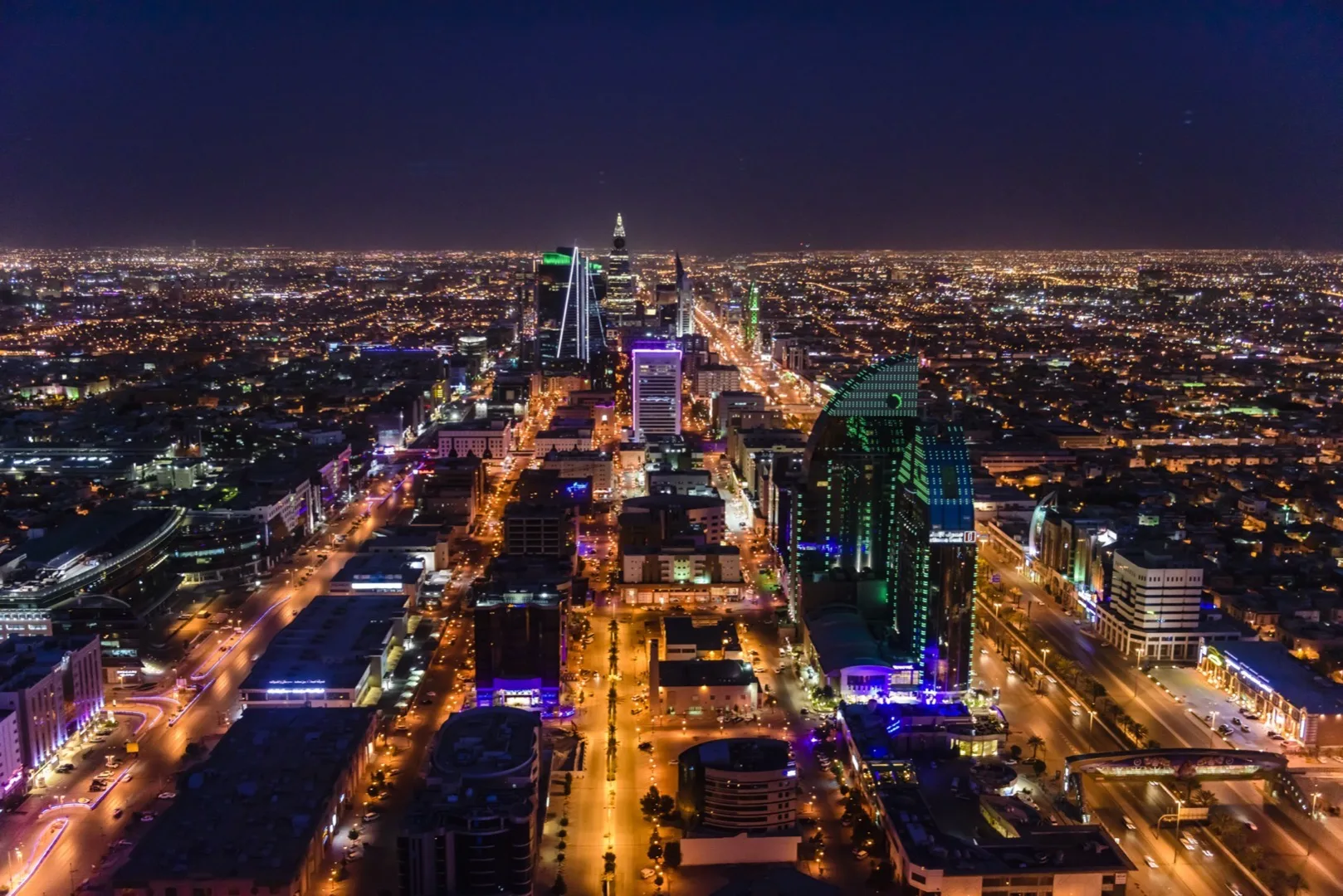
- Saudi Arabia's PIF has accelerated capital deployment into domestic giga-projects (NEOM, Diriyah, Red Sea, ROSHN, New Murabba). This does not appear to be drawing capital away from Dubai — UAE-domiciled funds have continued to expand their property exposure in parallel.
- ADIA, ICD, Mubadala and ADQ retain meaningful Dubai exposure through hotel portfolios, DIFC and JLT commercial assets, hospitality JVs, and infrastructure-linked vehicles. Emaar, Aldar, DEWA and Salik all carry significant state ownership chains.
- Retail investors can access part of the same thesis through listed REITs — Emirates REIT, ENBD REIT and the new wave of Saudi-listed REITs — but allocations are small relative to the underlying market.
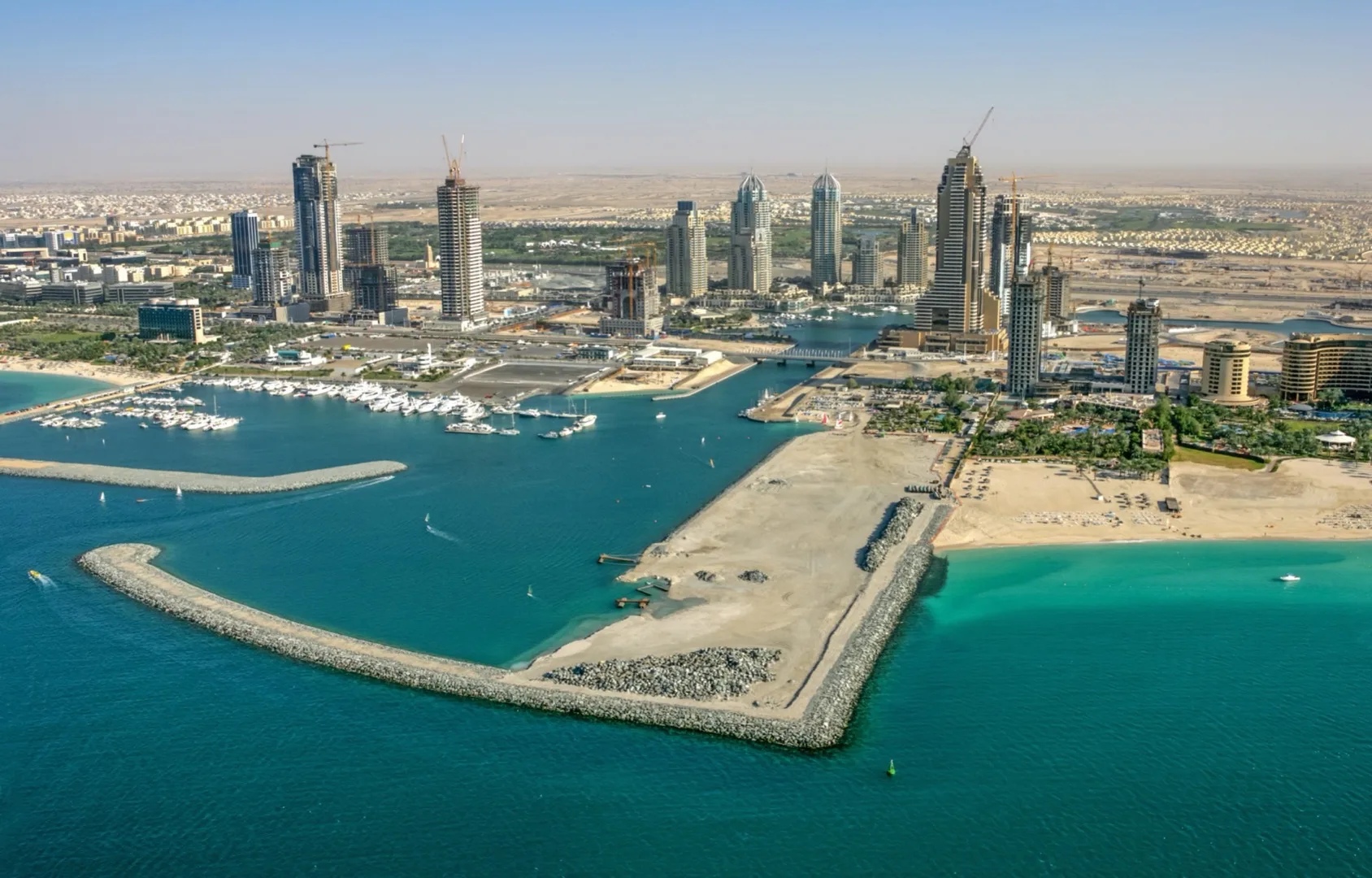
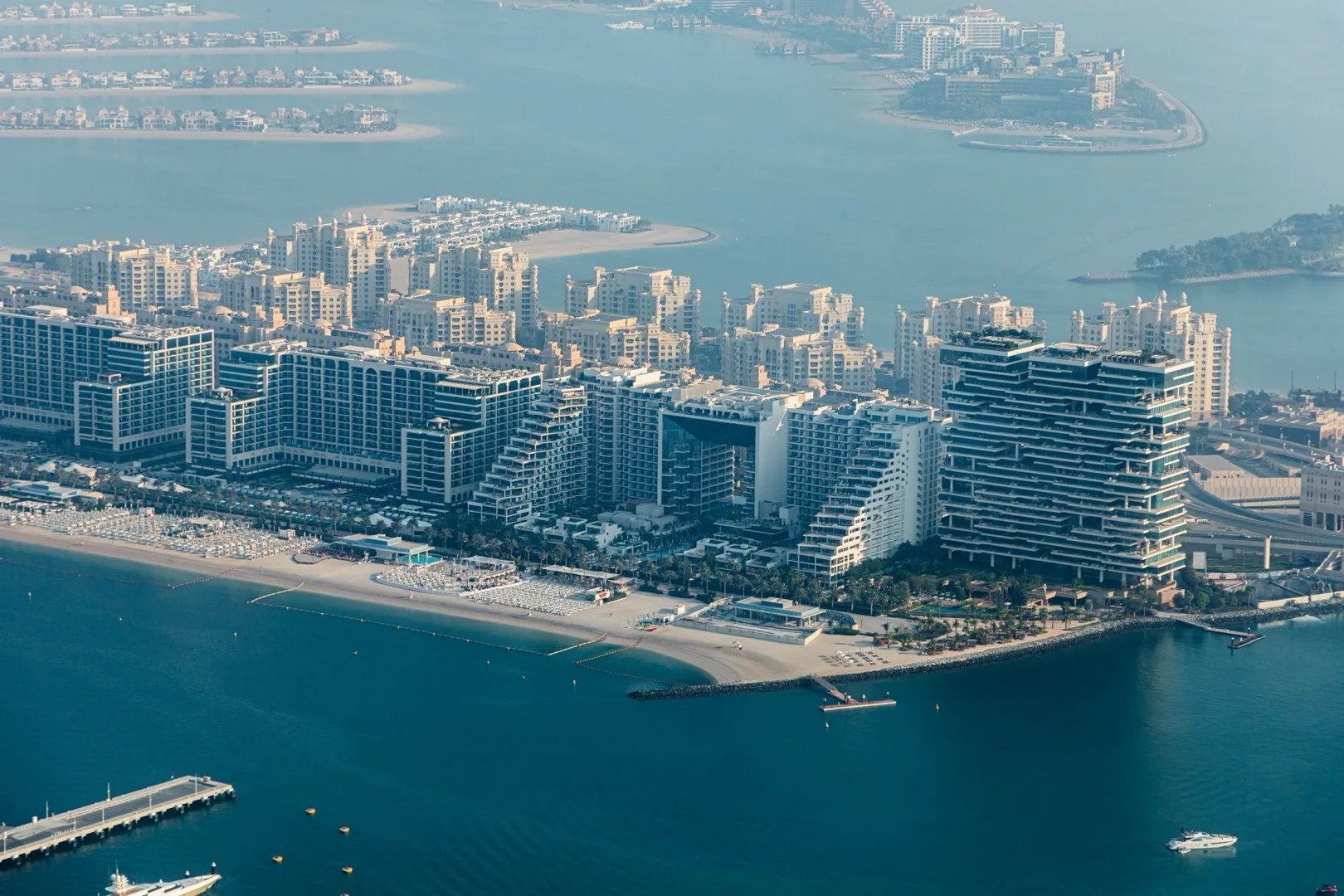
- Sovereign capital is a long-cycle signal, not a market-timing tool. Areas adjacent to state-aligned megaprojects (Dubai Reef, Palm Jebel Ali, Dubai Creek Harbour, Ras Al Khaimah's Wynn integrated resort) have historically seen ripple-effect demand for retail-priced housing.
- The cleanest data trail runs through annual reports, the Global SWF transparency rankings, DLD transaction data and disclosures from listed subsidiaries — not press releases or anonymous "sovereign-backed fund" claims.
The Gulf Sovereign Wealth Landscape in 2026
Gulf sovereign wealth funds (SWFs) have moved from being passive oil-revenue parking pools to active drivers of real-economy investment across the region. By the start of 2026, the six largest GCC funds together manage assets in the range of USD 4-5 trillion — a figure that puts the region in roughly the same order of magnitude as the entire global private-equity industry. Real estate, both domestic and international, sits inside almost every one of these mandates.
This article maps the Gulf sovereign landscape, then drills into the specific channels through which sovereign capital touches Dubai property: direct holdings, listed subsidiaries, megaprojects, REIT participation and infrastructure spend. The goal is to give private investors a realistic framework for interpreting state-aligned behaviour — what is signal, what is noise, and what is best ignored.
For context on the broader investment market, our highest-ROI areas in Dubai 2026 guide covers retail-side performance numbers that complement the sovereign view here.
Top GCC Sovereign Wealth Funds by AUM
The table below lists the major GCC funds by approximate assets under management as of early 2026, alongside a directional read on real estate exposure. Exact property allocations are rarely disclosed; ranges below are inferred from public reports, listed-subsidiary filings, and aggregated tracking by groups such as Global SWF and SWF Institute.
| Sovereign Fund | Country / Emirate | Approx. AUM (2026) | Approx. Real Estate Exposure | Mandate |
|---|---|---|---|---|
| ADIA | Abu Dhabi (UAE) | USD 1.0-1.1T | ~5-10% (direct + funds) | Global, multi-asset |
| PIF (Public Investment Fund) | Saudi Arabia | USD 900B (target ~2T by 2030) | Heavy domestic real estate (giga-projects) | Domestic transformation + global |
| ICD (Investment Corporation of Dubai) | Dubai (UAE) | USD 320-340B | Significant — Emaar stake, hotels, retail | Strategic Dubai holdings |
| Mubadala | Abu Dhabi (UAE) | USD 280-300B | Hospitality, life sciences real estate, infra | Strategic + financial |
| ADQ | Abu Dhabi (UAE) | USD 200-230B | Logistics, food, healthcare real estate | Domestic strategic |
| QIA (Qatar Investment Authority) | Qatar | USD 500-550B | Large global RE (London, NYC, Paris) | Global |
| KIA (Kuwait Investment Authority) | Kuwait | USD 800-900B | Diversified, modest direct RE | Global |
| EIA (Emirates Investment Authority) | UAE federal | USD 90-100B | Limited public disclosure | Federal strategic |
The combined picture is striking: even excluding KIA's largely diversified mandate and EIA's modest book, the property-relevant capital under Gulf sovereign control is in the high hundreds of billions of dollars. Dubai sits inside that universe both as a deployment destination and as a co-investor partner.
How Sovereigns Actually Touch Real Estate
Sovereign exposure to property is more layered than the public conversation suggests. Few of these funds buy individual buildings the way a private investor would. Instead, they hold real estate through three broad channels.
Direct Real Estate Holdings
This is the most visible layer: hotel portfolios, shopping malls, commercial towers, logistics estates. ADIA has long maintained a large global direct real estate book, with stakes in landmark hospitality and office assets. Mubadala holds hotel and resort portfolios across the UAE and internationally. ICD's hospitality arm controls some of Dubai's most recognised hotels through its operator chains. QIA's London property book is among the largest single foreign holdings in central London.
Indirect Exposure via Listed Subsidiaries
Several of Dubai's largest property-relevant listed companies — Emaar Properties, Emaar Development, Aldar Properties (Abu Dhabi-based but Dubai-active), DEWA, Salik — have sovereign-linked ownership chains. ICD holds a substantial position in Emaar. Aldar's controlling shareholder has long-running ties to Mubadala. These are not pure "real estate" stakes, but the ownership structure means sovereign decisions affect billions of AED in property exposure.
Strategic / Megaproject Channel
The third channel is the largest in dollar terms but the most diffuse: emirate-level master-plans where the SWF is essentially the project sponsor. Saudi Arabia's NEOM, Diriyah, ROSHN, Red Sea Global, Sindalah and New Murabba sit on PIF's balance sheet. In Abu Dhabi, projects on Saadiyat Island and Yas Island carry deep sovereign involvement. In Dubai, schemes like Dubai Reef, Dubai Mangroves and the relaunched Palm Jebel Ali are funded through state-aligned vehicles.
Major SWF-Aligned Projects Across the Gulf
The table below highlights the most consequential state-aligned real estate and mixed-use projects across the GCC heading into 2026. Capital figures are headline announcements and may differ from drawn-down spend; treat them as scale indicators rather than exact balance-sheet numbers.
| Project | Location | Sovereign Sponsor | Headline Capital | Type |
|---|---|---|---|---|
| NEOM | NW Saudi Arabia | PIF | USD 500B+ (announced) | Giga-city, multi-asset |
| Diriyah | Riyadh, Saudi Arabia | PIF (DGDA) | USD 60-65B | Heritage, hospitality, residential |
| New Murabba (incl. Mukaab) | Riyadh, Saudi Arabia | PIF | USD 50B+ | Mixed-use downtown |
| ROSHN housing | Multiple Saudi cities | PIF | Multi-billion (rolling) | Mass-market residential |
| Red Sea Global | W Saudi Arabia | PIF | Large (multi-island resort) | Hospitality, tourism |
| Saadiyat Island cultural district | Abu Dhabi (UAE) | Mubadala / Aldar | Tens of billions | Cultural, residential, hotels |
| Dubai Reef | Dubai (UAE) | State-aligned (Dubai Government) | Large marine programme | Coastal regeneration |
| Palm Jebel Ali (relaunch) | Dubai (UAE) | Nakheel (Dubai Holding chain) | Multi-billion AED | Master-planned community |
| Dubai Creek Harbour | Dubai (UAE) | Emaar (ICD-linked) | Multi-billion AED | Waterfront residential |
| Wynn Al Marjan Island integrated resort | Ras Al Khaimah (UAE) | RAK Government + private partners | USD 5B+ | Hospitality, gaming, entertainment |
For investors tracking the Dubai-side projects in detail, our Dubai Creek Harbour area guide covers pricing, towers and rental dynamics around one of the largest ICD-linked schemes.
The PIF Question — Does Saudi Pull Capital Away From Dubai?
One of the most common debates among 2025-2026 GCC investors is whether Saudi Arabia's Vision 2030 pivot — and PIF's enormous domestic deployment — is bad news for Dubai. The thesis goes something like: PIF needs hundreds of billions for NEOM, Diriyah and ROSHN, so Gulf capital that might otherwise have flowed into Dubai property gets diverted. This is intuitive, but the data does not really support it.
Several reasons. First, PIF and Dubai-domiciled SWFs (ICD, plus Abu Dhabi's ADIA, Mubadala and ADQ that also deploy into Dubai) are different pools of capital with different governance. PIF is overwhelmingly funded by Saudi state revenue and PIF-owned operating companies. ICD and the Abu Dhabi funds are not paying for NEOM. Second, Dubai's property market is largely powered by private foreign demand — Indian, European, Russian, Chinese, Turkish, GCC-private buyers — not by sovereign capital chasing yield. Third, Saudi-side megaprojects are real-economy investment that often increases regional travel, business activity and ultimately demand for Dubai as a hub city.
The empirical picture in 2024-2025 supports the "both grow" reading. Saudi project spend has accelerated and Dubai transactions have set records in parallel — both DLD volumes and AED values have hit new highs. The two markets are competing for global attention, but they are not zero-sum at the capital level. For a deeper read on Dubai's market dynamics, see our best areas for capital appreciation in Dubai 2026 piece.
ADIA's Dubai Exposure
The Abu Dhabi Investment Authority is the second-largest sovereign fund in the world by most measures, with assets in the USD 1 trillion range. ADIA's mandate is global, and the bulk of its book sits outside the UAE — equities, fixed income, hedge funds, private equity and global real estate spread across mature markets. But it would be a mistake to assume zero domestic exposure.
ADIA has historical real estate positions across the UAE through co-investments, property funds and infrastructure vehicles. Its appetite for hospitality and prime commercial assets has shown up in Dubai's hotel market and selected DIFC and JLT-area buildings via fund-level participation. Disclosure here is limited — ADIA does not publish a property-by-property book — but academic and industry tracking of cross-border deals consistently maps ADIA-linked vehicles to Dubai-anchored partnerships.
The implication for private investors is more subtle than "ADIA is bullish on Dubai." It is closer to: Dubai sits inside a credible institutional book even when global funds rebalance away from emerging markets. That is a lower-volatility ownership backdrop than a market dependent purely on retail speculation.
ICD and the Dubai Holding Chain
The Investment Corporation of Dubai is the most directly Dubai-relevant SWF. ICD is the principal investment arm of the Government of Dubai and its book reads like a who's who of Dubai's economy: Emirates Group, ENBD, ENOC, ICD Brookfield Place, Emaar Properties, key hospitality assets, and a long list of operating companies.
For property investors, three points matter. First, ICD's stake in Emaar means the largest listed Dubai developer has a clear sovereign anchor. Second, ICD's hotel and hospitality portfolio — through both wholly-owned vehicles and JVs — is one of the largest single ownership groups in Dubai's hospitality stock. Third, ICD's infrastructure-adjacent holdings (Emirates, ENOC, EGA) feed directly into the city's tourism and population-growth flywheel that drives residential demand.
Dubai Holding, while structurally separate, plays a similar role for master-developments such as Madinat Jumeirah Living, Bluewaters, City Walk and the Nakheel-led Palm Jebel Ali relaunch. The combined effect is that a substantial portion of Dubai's future supply pipeline is being delivered by entities with deep state-balance-sheet support, which has implications for delivery risk and long-term pricing discipline.
Following the Market?
Get Market Data in Your Inbox
DLD transaction data, price trends, and quarterly forecasts — before everyone else.
✓ You're in! Check your inbox.
REIT Participation — How Retail Investors Plug Into the Same Theme
For most private investors, owning a piece of the same broad real estate exposure that sovereigns sit on is easiest through listed REITs. The Gulf REIT market is still relatively small compared to the underlying property base, but it has matured meaningfully over the past five years.
| REIT | Listing | Approx. AUM | Focus |
|---|---|---|---|
| Emirates REIT | Nasdaq Dubai | ~AED 2.5-3B | Dubai commercial, education, mixed-use |
| ENBD REIT | Nasdaq Dubai | ~AED 1-1.5B | UAE income-producing properties |
| Al Mal Capital REIT | DFM | Mid-sized | Diversified UAE real estate |
| Saudi-listed REITs (multiple) | Tadawul | SAR 20B+ aggregate | Saudi commercial, residential, healthcare |
| Listed developers (Emaar, Aldar, DAMAC etc.) | DFM / ADX | Multi-billion AED each | Development + recurring income |
Two caveats. First, REIT prices behave like equities — they correlate with broader market sentiment and rate cycles, not just underlying property NAV. Second, listed-developer equities give you exposure to the full operating company (handover risk, off-plan revenue recognition, debt) rather than pure stabilised real estate. Investors looking for cash-flow-style exposure tend to prefer REITs; those looking for pricing-cycle leverage prefer developers.
For direct private-investor positioning rather than listed exposure, our best Dubai properties under AED 1 million in 2026 guide is a more practical starting point.
Reading the Data — Where Sovereign Behaviour Actually Shows Up
If you want to track sovereign capital's effect on Dubai property without relying on press releases, four data trails are useful.
Annual reports and disclosures. ADIA, Mubadala, ICD, ADQ and PIF all publish annual reviews to varying levels of detail. PIF's portfolio updates and Mubadala's annual reports are particularly useful, as are listed-subsidiary annual filings (Emaar, Aldar, DEWA, Salik) which break down ownership chains.
Dubai Land Department transaction data. The Dubai Land Department publishes transaction-level data through its Dubai REST app and dashboards. State-aligned developer activity (Emaar, Nakheel, Dubai Holding entities, Meraas) shows up clearly on the supply side, and you can track buyer-side concentration via aggregate reports. For investors actively using DLD tools, our Dubai REST app complete guide walks through the available datasets.
UAE Central Bank and government bulletins. The UAE Central Bank publishes mortgage and credit data that captures sovereign-backed lending and capital flow patterns. These data sets do not break out SWF activity explicitly, but they are the cleanest source for system-level credit signals.
Independent SWF trackers. Global SWF and SWF Institute publish ranking tables, transparency scores and deal trackers that aggregate disclosed transactions across funds. They are the closest thing the industry has to a unified sovereign-deal database.
Recent Trends — What Has Actually Changed
Three structural trends are worth flagging heading into 2026.
1. Sovereign-fund REIT and listed-vehicle participation has increased. Both at the sponsor level (PIF backing ROSHN's IPO programme, ICD-linked listings) and at the buyer level (sovereign-aligned funds anchoring REIT issuances). This deepens the public market and gives retail investors more ways to access institutional-grade real estate.
2. Hospitality is back as a hard-asset thesis. Post-pandemic recovery, the rise of UAE inbound tourism past 18 million annual visitors, and the integrated-resort gaming experiment in Ras Al Khaimah have all pulled sovereign capital back into hotel acquisitions and development. Mubadala, ICD and Aldar have all expanded hospitality books.
3. The line between sovereign and quasi-sovereign is blurring. Dubai Holding, Aldar, Emaar and ROSHN all sit somewhere on the spectrum between fully state-owned and listed-public. The capital that ultimately backs them is sovereign-anchored, which means understanding ownership chains matters more than headline branding.
What Private Investors Can Actually Extract From Sovereign Behaviour
Three practical takeaways for retail-scale buyers and small-portfolio investors.
Adjacency, not imitation. You cannot replicate ADIA's diversification or ICD's negotiating power. What you can do is buy adjacent to large state-aligned investments. Areas next to Dubai Reef, the Palm Jebel Ali ring, Creek Harbour, and the broader Emaar South / Expo City corridor have historically captured ripple-effect demand. Our Expo City Dubai investment hotspot guide covers one example in detail.
Long-cycle, not market-timing. Sovereign capital deploys over 5-15 year horizons. If you are trying to time a 12-month flip, sovereign signals are too slow to matter. If you are buying for a 7-10 year hold, they help you avoid areas that the state has already de-prioritised and tilt toward corridors that are getting infrastructure attention.
Delivery risk is materially lower in state-anchored masterplans. Off-plan execution risk — delays, cancellations, escrow issues — has historically been lower in projects with deep state involvement than in fully private boutique developments. That is not the same as zero risk, and it does not say anything about price level. It just shifts the probability distribution. For a structured view on developer payment plans across this universe, see our developer payment plans guide.
Limits of the Sovereign Lens
Three honest caveats to close out before the FAQ.
First, sovereign behaviour is not an investment thesis on its own. Plenty of state-anchored projects across the region have underperformed price expectations even when the underlying narrative was strong. Capital backing is necessary but not sufficient.
Second, transparency varies. ADIA discloses very little at the asset level. PIF discloses substantially more but reserves giga-project economics. ICD discloses listed-subsidiary data but not full direct holdings. Any framework that pretends to be precise about sovereign property allocation is overstating what the data actually says.
Third, the geopolitical layer matters. Sovereign capital flows respond to regional politics, oil prices, US-Gulf relations, and global rate cycles. A long-cycle thesis about state-anchored Dubai supply is robust to most of these; a year-by-year forecast is not.
Outlook — What 2026 Likely Looks Like
The directional read for 2026 is continuity. PIF's domestic capex programme will keep accelerating, with NEOM, Diriyah and ROSHN absorbing very large amounts of capital. Dubai-side state-aligned developers (Emaar, Nakheel, Dubai Holding, Meraas) will continue delivering masterplans with strong handover discipline relative to private boutique developers. Hospitality and tourism-linked real estate will remain a sovereign priority across the GCC.
For private investors, the practical implication is that the structural backdrop for Dubai property remains supportive: deep institutional ownership, state-anchored supply pipeline, and continued infrastructure spend. None of that guarantees price outcomes in any single year, but it sets a credible long-cycle floor under the market that most other emerging-market property destinations cannot claim.
Frequently Asked Questions
How much do Gulf sovereign wealth funds actually invest in Dubai property?
There is no single public number. Indirect exposure through ICD's stake in Emaar, Mubadala and ADQ holdings, and historical ADIA real estate co-investments runs into tens of billions of AED. Direct, fully-disclosed Dubai property holdings are smaller. The cleanest framing is that sovereign capital underpins the supply pipeline (through state-aligned developers) more than it dominates the buyer side (which is largely private foreign demand).
Is PIF investing directly in Dubai real estate?
PIF's mandate is dominated by Saudi domestic transformation and selected global plays. There is no public evidence of PIF accumulating large direct Dubai residential or commercial holdings. Its UAE-relevant exposure tends to come through fund-of-funds positions, joint ventures and listed-equity stakes rather than building-by-building acquisition.
Does PIF's Saudi pivot mean Dubai property loses out?
The available data suggests not. PIF and Dubai-domiciled SWFs are separate capital pools, Dubai's market is overwhelmingly powered by private foreign demand, and Saudi project spend tends to grow regional business activity rather than divert it. Dubai transaction volumes have hit record highs in the same years that PIF has accelerated domestic capex.
How can a retail investor benefit from sovereign capital flows?
Three practical channels: buy listed REITs (Emirates REIT, ENBD REIT, Al Mal Capital REIT) for stabilised property exposure; buy listed developers (Emaar, Aldar, DAMAC) for cycle leverage; or buy retail-priced housing adjacent to large state-aligned masterplans where ripple-effect demand has historically supported pricing.
Are sovereign-backed projects safer to buy off-plan?
Statistically, state-anchored masterplans by Emaar, Nakheel and Dubai Holding entities have shown lower handover delay and cancellation rates than fully private boutique developments. That reduces delivery risk, but it does not say anything about price level or yield. You still need to underwrite the unit, the area and the payment plan on their own merits.
Where can I see actual sovereign-fund disclosures?
PIF, Mubadala, ICD and ADQ all publish annual reports on their corporate websites. Listed subsidiaries (Emaar, Aldar, DEWA, Salik) file detailed annual and quarterly disclosures with the DFM and ADX. Independent trackers like Global SWF and the SWF Institute aggregate cross-fund deal data. The DLD publishes transaction-level Dubai data.
Are REITs a good way to play this theme?
For investors who want diversified, professionally managed exposure without taking on a single-asset concentration risk, yes. The trade-offs are equity-style price volatility and a relatively shallow Gulf REIT market. Most investors blend REIT exposure with one or two direct property positions rather than relying on either alone.
How long is the appropriate horizon for a sovereign-aligned investment thesis?
Sovereign capital deploys over 5-15 year cycles. If your investment horizon is under three years, sovereign signals are too slow to matter. The thesis is most useful for buyers thinking 7-10 years ahead about supply, infrastructure, and structural demand drivers.
Sovereign capital flows are one of several structural drivers shaping Dubai property over the next decade. If you are weighing where to deploy private capital — by area, asset type, or vehicle — our market analysis team and REC advisors can help frame the call alongside the live transaction data. Reach out through the community or drop us a message and we will share the latest sovereign-aligned project mapping for your shortlist.
Want a Data-Backed Second Opinion?
Tell us your plans — we'll share what the data says about your timing.
Thank You!
We'll get back to you within 24 hours.
Real Estate Agencies in Dubai
Explore providers from our business directory
Still have questions?
Ask a follow-up, or get connected with a vetted Dubai professional.
Follow us on LinkedIn
Dubai market analysis and industry insight for professionals.