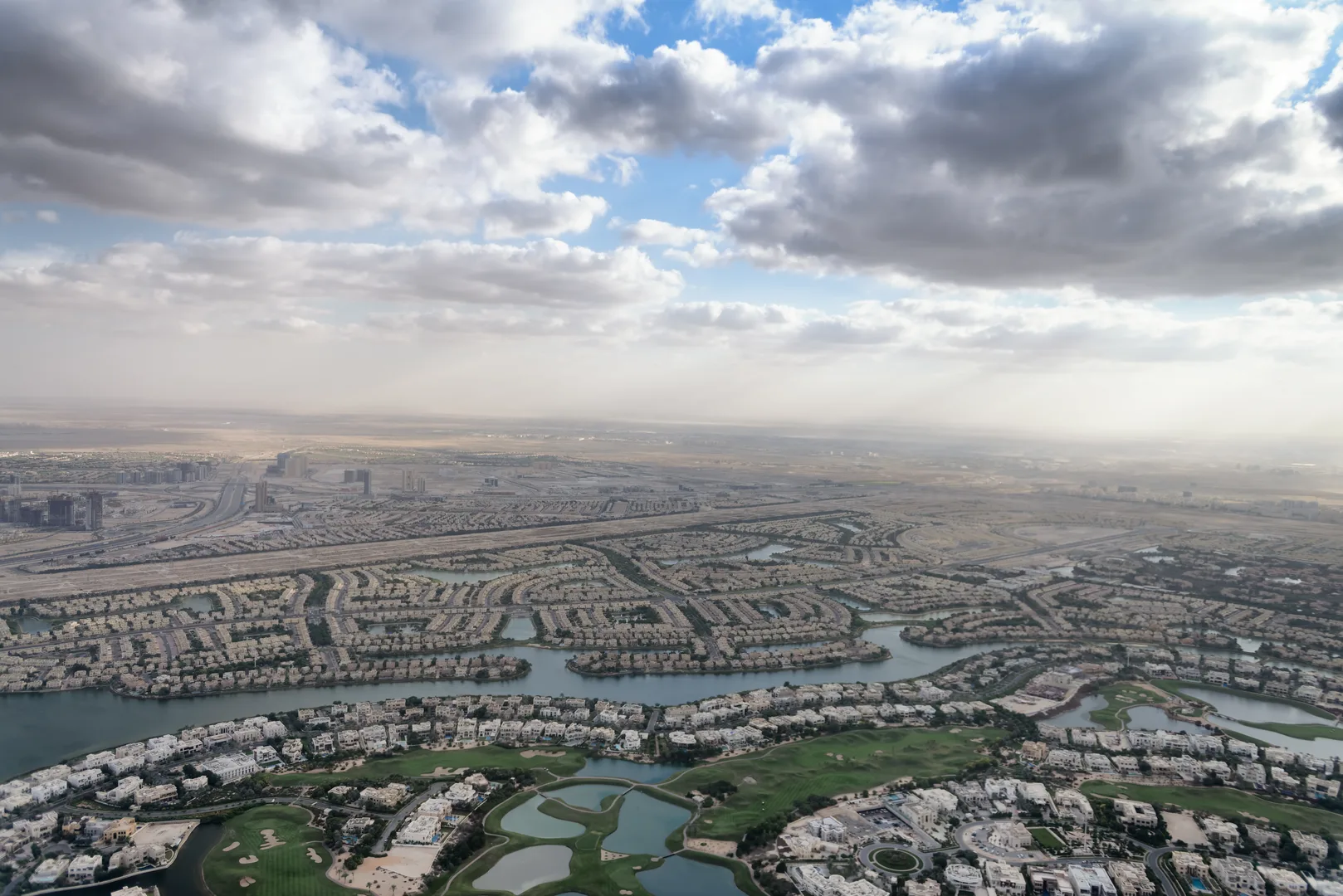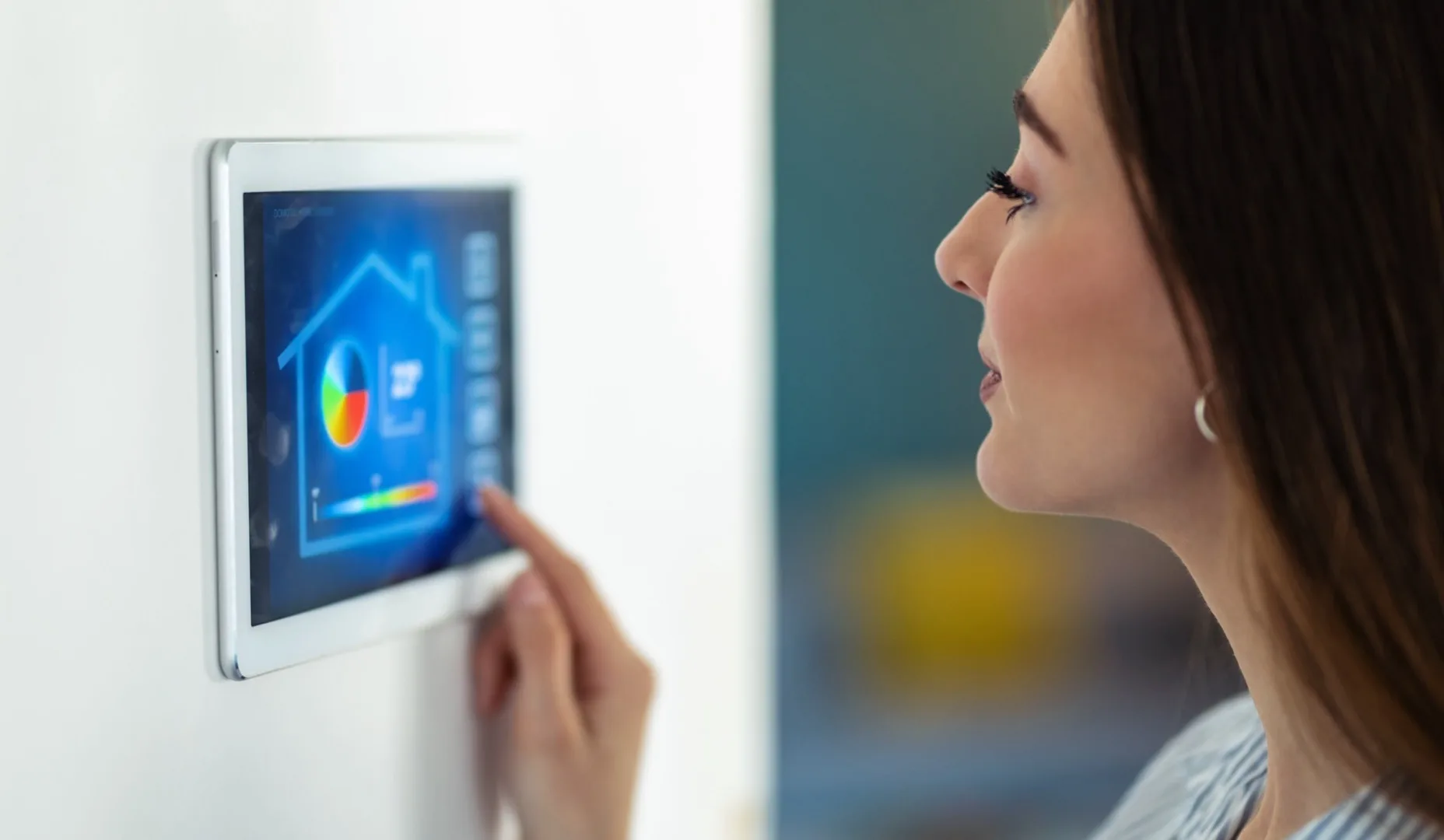

- A typical 1-bedroom apartment costs AED 800–1,400/month in total utilities (DEWA + cooling + internet).
- DEWA charges AED 0.38/kWh for the first 2,000 kWh plus a 5% VAT — expect AED 300–600/month for a 1BR.
- District cooling (Empower/Tabreed) adds AED 500–1,500/month depending on unit size and season.
- The housing fee (5% of annual rent, paid monthly) is often the most overlooked cost — it adds AED 250–750/month.
- Utility costs vary significantly by area, building age, and whether you have central AC or split units.
If you are moving to Dubai or budgeting for a property purchase, understanding utility costs is non-negotiable. Unlike many Western cities where a single bill covers everything, Dubai's utility landscape involves multiple providers, a unique district cooling system, and seasonal swings that can double your summer electricity bill.
This guide breaks down every monthly bill you will face in Dubai in 2026 — with exact tariff rates, real cost ranges by property type, and practical tips for keeping expenses under control. Whether you are a renter calculating your total monthly outgoing or an investor estimating net rental yield, these numbers matter.
Dubai Utility Costs vs Other Global Cities
Before diving into specifics, here is how Dubai's overall utility burden compares internationally. This context helps expats from different countries calibrate expectations.
| City | Avg Monthly Utilities (1BR) | Notes |
|---|---|---|
| Dubai | AED 800–1,400 (USD 220–380) | AC-heavy climate; district cooling in many areas |
| London | GBP 180–280 (USD 230–360) | Heating-driven; gas prices volatile |
| New York | USD 150–250 | Seasonal heating and cooling |
| Singapore | SGD 150–250 (USD 110–185) | Cheaper electricity; smaller units |
| Mumbai | INR 5,000–10,000 (USD 60–120) | Lower base rates; limited AC usage |
Dubai falls in the mid-to-upper range globally. The main cost driver is air conditioning — which runs 8–10 months per year. However, Dubai compensates with zero income tax, zero property tax, and subsidised water rates, which means the net cost of living can still be lower than London or New York.
DEWA Deep Dive: Electricity & Water in Dubai
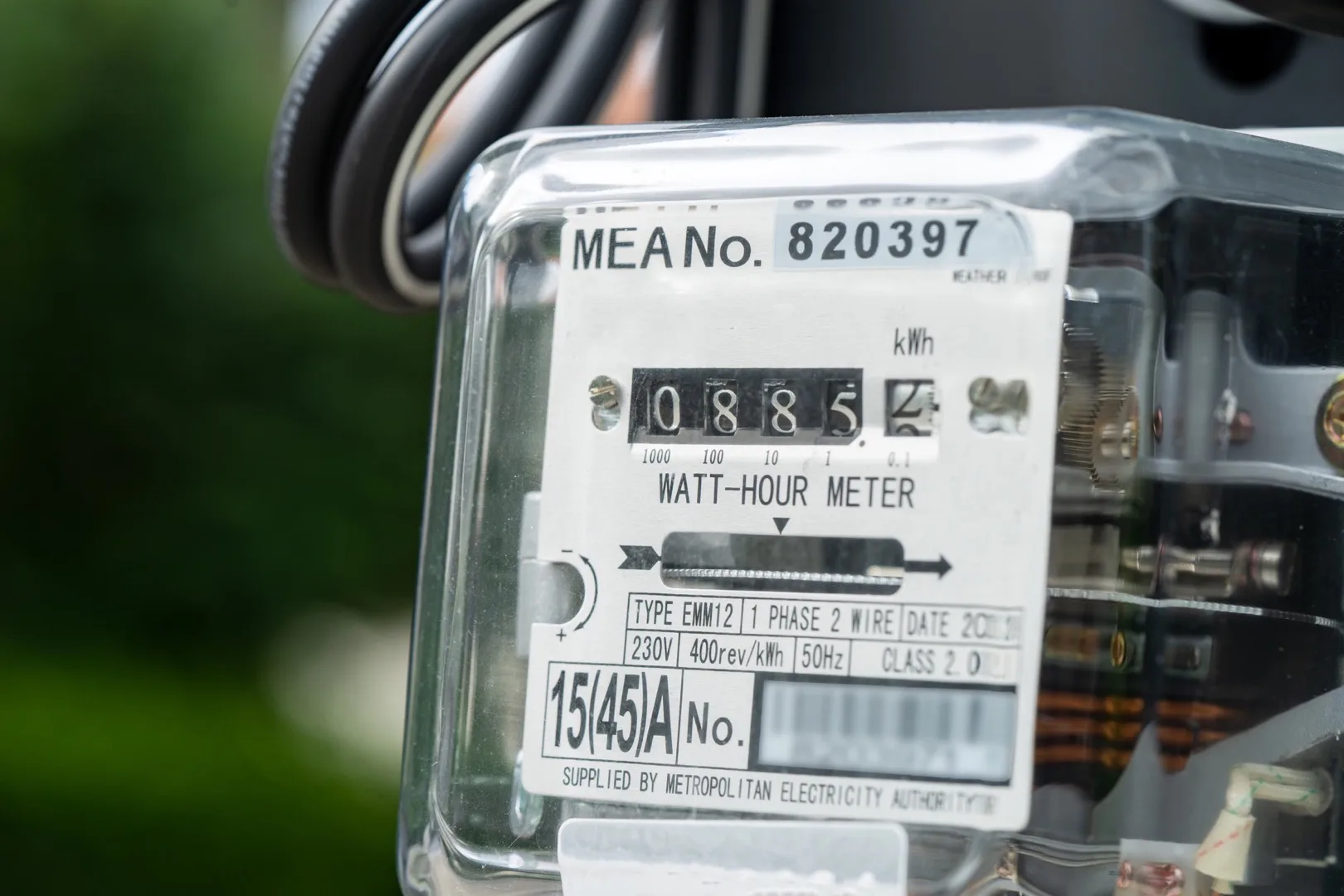
The Dubai Electricity and Water Authority (DEWA) is your primary utility provider. Every residential and commercial property in Dubai receives electricity and water through DEWA — there are no alternative providers.
DEWA Electricity Tariff Structure (2026)
DEWA uses a slab-based tariff system. The more you consume, the higher the per-unit rate — which is designed to incentivise conservation. Here is the current residential tariff:
| Consumption Slab | Rate per kWh | Typical Usage |
|---|---|---|
| 0–2,000 kWh | AED 0.23 | Studio / 1BR (winter) |
| 2,001–4,000 kWh | AED 0.28 | 1BR–2BR (summer) / 3BR (winter) |
| 4,001–6,000 kWh | AED 0.32 | Large apartments / small villas |
| 6,001+ kWh | AED 0.38 | Villas with pools / large households |
On top of these base rates, DEWA adds a fuel surcharge, a demand-side management fee, and 5% VAT. In practice, the effective rate is roughly 15–20% higher than the slab rate alone.
DEWA Water Tariff
Water in Dubai is produced through desalination, making it expensive to generate — but still subsidised for residential use. The residential slab:
- 0–6,000 gallons: AED 0.03 per gallon (essentially negligible)
- 6,001–12,000 gallons: AED 0.035 per gallon
- 12,001–20,000 gallons: AED 0.04 per gallon
- 20,001+ gallons: AED 0.047 per gallon
For a typical 2-bedroom apartment, water costs range from AED 80–150/month. Villas with gardens and pools can reach AED 400–800/month during summer due to irrigation and pool top-ups.
DEWA Deposit & Activation
When you move into a new property, DEWA requires a refundable security deposit:
- Apartments: AED 2,000 deposit + AED 110 activation fee
- Villas: AED 4,000 deposit + AED 110 activation fee
The deposit is refundable when you close your account (minus any outstanding balance). Activation is done online through the DEWA app or website — typically processed within 24 hours. You will need your Ejari registration, Emirates ID, and tenancy contract.
Reading Your DEWA Bill
Your monthly DEWA bill includes several line items that confuse many newcomers:
- Electricity charges: Based on slab rates above
- Water charges: Based on consumption slabs
- Sewerage fee: 5% of water charges
- Housing fee: 5% of annual rent divided by 12 (more on this below)
- Innovation fee: AED 10/month
- Knowledge fee: AED 10/month
- VAT: 5% on applicable charges
The housing fee line item on your DEWA bill is often the biggest surprise. We cover it in detail in the next section.
The Housing Fee: Dubai's Hidden Monthly Cost
Dubai Municipality charges a housing fee equal to 5% of your annual rent, collected monthly through your DEWA bill. This applies to all rented properties in Dubai — there are no exemptions for any area or property type.
How the Housing Fee Is Calculated
| Annual Rent | Housing Fee (5%) | Monthly Impact on DEWA Bill |
|---|---|---|
| AED 50,000 | AED 2,500/year | AED 208/month |
| AED 80,000 | AED 4,000/year | AED 333/month |
| AED 120,000 | AED 6,000/year | AED 500/month |
| AED 180,000 | AED 9,000/year | AED 750/month |
| AED 250,000 | AED 12,500/year | AED 1,042/month |
For property investors, this fee is paid by the tenant — but it affects overall affordability and should be factored into rental pricing strategies. If your tenant's total monthly cost (rent + utilities + housing fee) becomes uncompetitive, vacancies increase. Use our ROI calculator to model net yields with all costs included.
District Cooling: The Cost Most Newcomers Miss
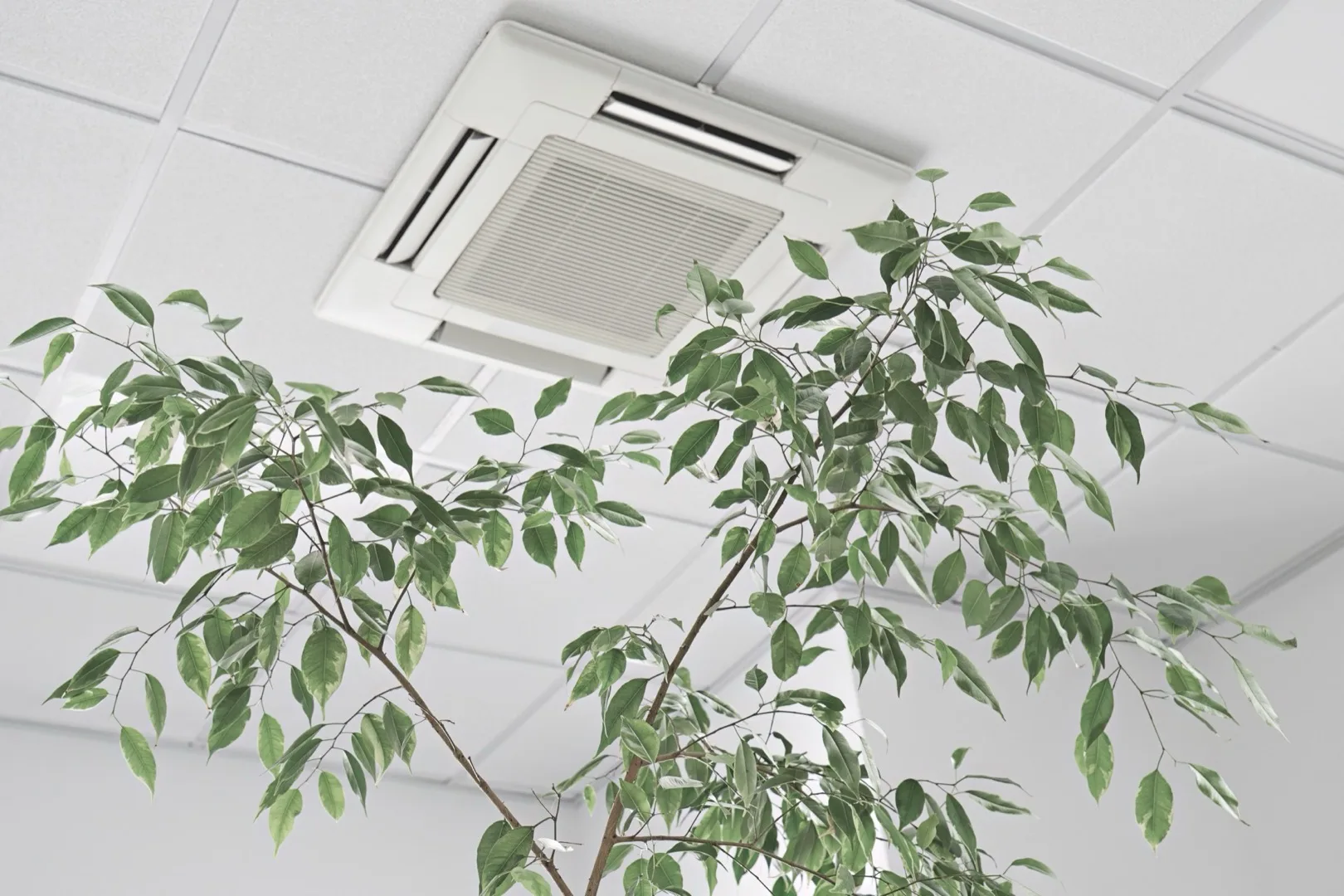
Many newer residential developments in Dubai do not use traditional split or window AC units. Instead, they connect to a district cooling network operated by Empower or Tabreed. This is centrally produced chilled water piped to your building, and the cost is separate from your DEWA bill.
How District Cooling Works
A central plant produces chilled water at 4–6°C, which is distributed through underground insulated pipes to connected buildings. Inside your apartment, this chilled water flows through fan coil units in each room. A meter in your unit tracks consumption in Refrigeration Ton-Hours (RTH).
District Cooling Costs by Property Type
| Property Type | Winter (Nov–Mar) | Summer (Jun–Sep) | Annual Average |
|---|---|---|---|
| Studio | AED 200–350 | AED 450–700 | ~AED 400 |
| 1 Bedroom | AED 300–500 | AED 600–1,000 | ~AED 550 |
| 2 Bedroom | AED 450–750 | AED 900–1,500 | ~AED 800 |
| 3 Bedroom | AED 600–1,000 | AED 1,200–2,200 | ~AED 1,100 |
District cooling rates typically include a demand charge (fixed monthly based on unit tonnage capacity) plus a consumption charge (per RTH used). The demand charge means you pay a minimum even if you turn off the AC entirely — usually AED 150–300/month for a 1-bedroom.
Which Areas Use District Cooling?
Major areas with district cooling include Dubai Marina, JLT, Downtown Dubai, Business Bay, DIFC, Palm Jumeirah, Dubai Creek Harbour, and most master-planned communities by Emaar, Nakheel, and Dubai Properties. Areas like JVC, Al Nahda, Deira, and older Bur Dubai buildings typically use individual split AC units powered through DEWA.
Internet & TV Packages: du vs Etisalat Comparison
Dubai has two internet providers: du and e& (Etisalat). Your building is typically locked to one provider — you cannot choose freely. Newer buildings in areas like Dubai Marina and Downtown tend to have du, while Etisalat covers a broader range across the city.
Home Internet Plans (2026)
| Provider | Plan | Speed | Monthly Price | Includes |
|---|---|---|---|---|
| du | Home Basic | 250 Mbps | AED 299 | Wi-Fi router |
| du | Home Plus | 500 Mbps | AED 389 | Router + streaming bundle |
| du | Home Pro | 1 Gbps | AED 549 | Router + TV + streaming |
| e& (Etisalat) | eLife Basic | 250 Mbps | AED 299 | Wi-Fi router |
| e& (Etisalat) | eLife Plus | 500 Mbps | AED 389 | Router + TV channels |
| e& (Etisalat) | eLife Ultra | 1 Gbps | AED 549 | Full bundle + premium TV |
Both providers offer comparable pricing and speeds. The practical advice: check which provider serves your building before signing a lease. Installation typically takes 3–5 business days and requires an Emirates ID. All plans require a 12-month contract with an early termination fee of AED 1,000.
Mobile Phone Plans in Dubai
Mobile phone service is provided by the same two operators — du and e& (Etisalat). While not technically a "utility," most residents consider it an essential monthly cost.
| Provider | Plan | Data | Monthly |
|---|---|---|---|
| du | Postpaid 150 | 5 GB + unlimited local calls | AED 150 |
| du | Postpaid 200 | 15 GB + unlimited local calls | AED 200 |
| e& | Wasel Postpaid 150 | 6 GB + unlimited local calls | AED 150 |
| e& | Wasel Postpaid 200 | 20 GB + unlimited local calls | AED 200 |
Prepaid SIM cards start at AED 55 with pay-as-you-go rates. Most expats opt for postpaid plans in the AED 150–200 range for reliable connectivity. VoIP services (WhatsApp calls, FaceTime) work on both providers without restrictions on residential internet, though mobile VoIP may require a monthly add-on.
Gas for Cooking: Cylinder-Based System
Unlike most Western countries, Dubai does not have piped natural gas for residential cooking. Instead, most apartments and villas use LPG gas cylinders. Newer high-rise buildings increasingly use electric stoves or induction cooktops, eliminating gas entirely.
- Standard cylinder (25 kg): AED 50–65 (ADNOC or Emarat branded)
- Delivery: Free delivery through ADNOC Distribution or Emarat — order via app or phone
- Average usage: One cylinder lasts 6–10 weeks for a family of 2–4
- Monthly cost: AED 25–45 for most households
This is a minor cost item, but worth noting for anyone coming from a country with piped gas who expects it on their utility bill.
Living in Dubai?
Dubai Living Tips Weekly
Cost-of-living data, neighborhood guides, and practical expat tips — every week.
✓ You're in! Check your inbox.
Total Monthly Utility Costs by Property Type
This is the table most people search for — a realistic breakdown of what you will actually pay each month for every utility combined. These figures represent annual averages (summer will be higher, winter lower).
| Property Type | DEWA | Cooling | Internet | Mobile | Gas | Total |
|---|---|---|---|---|---|---|
| Studio | AED 200–400 | AED 300–500 | AED 299–389 | AED 150 | AED 20 | AED 970–1,360 |
| 1 Bedroom | AED 300–600 | AED 400–700 | AED 299–389 | AED 150 | AED 25 | AED 1,175–1,865 |
| 2 Bedroom | AED 400–800 | AED 600–1,100 | AED 389–549 | AED 200 | AED 30 | AED 1,620–2,680 |
| 3 Bedroom | AED 600–1,200 | AED 800–1,600 | AED 389–549 | AED 200 | AED 35 | AED 2,025–3,585 |
| 4BR Villa | AED 1,200–2,500 | AED 1,000–2,500* | AED 389–549 | AED 200 | AED 40 | AED 2,830–5,790 |
*Villa cooling varies enormously: split-AC villas in JVC or Arabian Ranches may have cooling included in DEWA, while district-cooled villas in Dubai Hills or Town Square have separate cooling bills.
Note: These figures exclude the housing fee (covered above) and service charges (which are separate from utilities). For a complete monthly budget, see our Cost of Living in Dubai 2026 guide.
Summer vs Winter Bills: Seasonal Variation
The single biggest factor affecting your utility bill is the season. Dubai's summer (June–September) pushes outdoor temperatures to 40–50°C, meaning AC runs 24/7. Winter (November–March) sees pleasant 20–28°C weather where many residents turn off their AC entirely.
| Property Type | Winter Monthly Total | Summer Monthly Total | Difference |
|---|---|---|---|
| Studio | AED 550–700 | AED 1,100–1,500 | +70–100% |
| 1 Bedroom | AED 700–1,000 | AED 1,400–2,100 | +80–110% |
| 2 Bedroom | AED 1,000–1,500 | AED 2,200–3,200 | +100–120% |
| 4BR Villa | AED 1,500–2,500 | AED 4,000–7,000 | +150–180% |
For budgeting purposes, take your annual average and add 40–50% for summer months and subtract 30–40% for winter months. Villas see the most dramatic swings because they have larger surface areas exposed to direct sunlight, multiple AC zones, and often pools and gardens that increase water consumption.
Area-by-Area Utility Cost Differences
Not all areas in Dubai cost the same to live in from a utility perspective. Building age, cooling system type, insulation quality, and even window orientation all play a role.
Higher Utility Cost Areas
- Dubai Marina: District cooling (Empower) adds a separate monthly bill. Older towers (2005–2010 era) have poor insulation, pushing summer DEWA bills higher. Expect 15–20% above average for similar-sized units.
- Downtown Dubai: Premium Empower rates due to high-rise cooling demands. Burj Khalifa residents report some of the highest utility bills in the city for their unit size. Average 1BR: AED 1,200–1,600/month total.
- Palm Jumeirah: Villas and townhouses face extreme summer cooling bills due to coastal humidity and large glass facades. Some villas report summer utility bills exceeding AED 8,000/month.
Lower Utility Cost Areas
- JVC: Most buildings use split AC units (included in DEWA), eliminating the separate cooling bill. Newer construction with better insulation. Average 1BR: AED 700–1,000/month total.
- Dubai Hills Estate: Modern construction with excellent insulation and energy-efficient design. District cooling by Emicool with competitive rates. Average 1BR: AED 800–1,100/month total.
- International City / Discovery Gardens: Budget areas with split AC and compact units. Studios can run as low as AED 500–700/month for all utilities combined.
The lesson for property buyers: newer buildings in master-planned communities tend to have lower per-square-foot utility costs than older towers, even when district cooling is involved. This directly impacts tenant satisfaction and vacancy rates.
Smart Home Features That Reduce Utility Costs
Dubai's newer developments increasingly come equipped with smart home features that can meaningfully reduce utility consumption. If you are buying property, these features should factor into your decision:
- Smart thermostats (Honeywell, Nest, Sensibo): Set AC schedules so it is not running when you are at work. Typical savings: 15–25% on cooling costs.
- LED lighting throughout: Reduces electricity consumption by 75% compared to older halogen fittings common in 2005–2012 era buildings.
- Smart curtains / automated blinds: Closing curtains on sun-facing windows during peak hours (10am–4pm) reduces AC load by 10–15%.
- Solar water heaters: Common in newer villa communities. Can eliminate water heating costs almost entirely (AED 50–100/month savings).
- Energy-efficient appliances: A 5-star rated AC unit uses 30–40% less electricity than a 2-star unit. Look for the ESMA energy rating label.
- Smart water management: Drip irrigation systems for villa gardens reduce water bills by 40–60% compared to traditional sprinkler systems.
In our experience, a fully optimised smart home setup in Dubai can reduce total utility costs by 20–35% annually — that is AED 3,000–8,000 saved per year depending on property size.
How Utility Costs Affect Net Rental Yield
For property investors, utility costs are not your direct expense — tenants pay their own bills. However, high utility costs in a building or area indirectly affect your investment returns:
- Total cost of occupancy: Tenants compare total monthly costs (rent + utilities + service charges). A property with AED 90,000 rent and AED 2,000/month utilities competes differently than one with AED 100,000 rent and AED 1,000/month utilities.
- Vacancy risk: Buildings known for high utility bills (certain older Marina towers, for example) have higher vacancy rates and slower leasing cycles.
- Tenant retention: Unexpected utility cost shocks are a common reason tenants do not renew. Transparent communication about expected costs improves retention.
- Service charge inclusion: Some buildings include cooling in service charges (chiller-free). These properties command higher rent but attract tenants who prefer predictable costs.
When evaluating a property's rental yield potential, model the total tenant cost: rent + estimated utilities + service charges + housing fee. If the total exceeds market norms for the area and property type, you may need to price rent lower to stay competitive.

Setup Checklist for New Residents
Moving to Dubai and need to get all your utilities connected? Follow this step-by-step checklist:
Utility Setup Checklist
- Register your Ejari (tenancy contract registration) — required for DEWA activation. Cost: AED 220.
- Activate DEWA account — apply online at dewa.gov.ae or through the DEWA app. You need: Emirates ID, Ejari certificate, passport copy. Deposit: AED 2,000 (apartment) or AED 4,000 (villa).
- Register with district cooling provider (if applicable) — check with your building management whether Empower, Tabreed, or Emicool serves your property. Deposit: AED 2,000–5,000 depending on unit size.
- Set up internet — check which provider (du or e&) serves your building. Apply online or visit a store with Emirates ID and Ejari. Installation: 3–5 business days.
- Get a mobile SIM — visit any du or e& store with your Emirates ID and passport. Postpaid plans require a salary certificate or bank statement.
- Order a gas cylinder (if your kitchen uses gas) — download the ADNOC Distribution or Emarat app. First delivery includes the cylinder deposit (AED 100) plus gas fill.
- Set up DEWA bill auto-payment — link your bank account or credit card through the DEWA app to avoid disconnection.
- Download essential apps: DEWA, du/e&, Empower (if applicable), Dubai REST (for housing transactions).
Total upfront cost for utility setup: approximately AED 4,500–8,000 in deposits and activation fees. All deposits are refundable when you close the accounts, minus any outstanding balance.
Frequently Asked Questions
How much are monthly utilities in Dubai for a 1-bedroom apartment?
A 1-bedroom apartment in Dubai typically costs AED 1,000–1,800/month for all utilities combined (DEWA, district cooling, internet, and mobile). The exact amount depends on the area, building age, and season. Summer months (June–September) can push costs 80–100% higher than winter.
What is the DEWA deposit for a new tenant in Dubai?
DEWA requires a refundable security deposit of AED 2,000 for apartments and AED 4,000 for villas, plus a one-time AED 110 activation fee. The deposit is returned when you close your account, minus any unpaid balance.
What is district cooling and how much does it cost?
District cooling is a centralised air conditioning system used in many newer Dubai developments. Chilled water is produced at a central plant and piped to your building. For a 1-bedroom apartment, expect AED 400–700/month on average, with summer peaks reaching AED 800–1,000. This bill is separate from DEWA.
What is the housing fee on my DEWA bill?
The housing fee is a Dubai Municipality charge equal to 5% of your annual rent, divided into 12 monthly instalments and added to your DEWA bill. For an apartment renting at AED 80,000/year, this adds AED 333/month to your DEWA bill. It applies to all rented properties in Dubai.
Can I choose between du and Etisalat for home internet?
No. Each building in Dubai is connected to either du or e& (Etisalat) — you cannot choose. Your building management or real estate agent can confirm which provider serves your property. Prices and speeds are very similar between both providers.
Why is my summer DEWA bill so much higher than winter?
Air conditioning accounts for 60–70% of residential electricity consumption in Dubai. During summer (40–50°C), AC runs continuously, and DEWA's tiered pricing means higher consumption pushes you into more expensive rate slabs. It is common for summer bills to be double or triple winter bills.
Are there any areas in Dubai with lower utility costs?
Yes. Areas with split AC (no separate district cooling bill) like JVC, Al Nahda, and International City tend to have lower overall utility costs. Newer buildings in Dubai Hills Estate also perform well due to modern insulation and energy-efficient design.
What is a chiller-free apartment in Dubai?
A chiller-free apartment is one where the district cooling cost is included in the building's service charge rather than billed separately to the tenant. This means no separate cooling bill — the cost is absorbed into the annual service charge. These units are popular with tenants because they offer more predictable monthly expenses.
Settling into Dubai?
Ask us anything about living here — or get matched with trusted local services.
Thank You!
We'll get back to you within 24 hours.
Home Maintenance & Cleaning in Dubai
Explore providers from our business directory
Still have questions?
Ask a follow-up, or get connected with a vetted Dubai professional.
Join our Telegram channel
Handover alerts, new launches & DLD data — first, in real time.