Mirdif — Complete Area Guide 2026: Family Living, Metro Blue Line & Property Prices
- Location: Eastern Dubai, adjacent to Dubai International Airport — one of the emirate's oldest and most established residential areas.
- Property types: Primarily villas and townhouses, with newer apartment developments in Mirdif Hills and Uptown Mirdif.
- Prices: Villas AED 2.5M–6M | Townhouses AED 1.5M–3M | Apartments AED 600K–1.5M.
- Freehold status: Mirdif Hills, Shorooq, and Uptown Mirdif are freehold — open to all nationalities. Older Mirdif villas are primarily leasehold for UAE/GCC nationals.
- Schools: GEMS Royal Dubai School, Uptown School, Mirdif Private School, Star International — plus nurseries throughout the community.
- Metro Blue Line: Dubai's third metro line (targeted 2029–2030) will include Mirdif stations, transforming connectivity and property values.
- Rental yields: 5–7% gross — villas at the lower end, apartments in newer developments at the higher end.
What Is Mirdif?
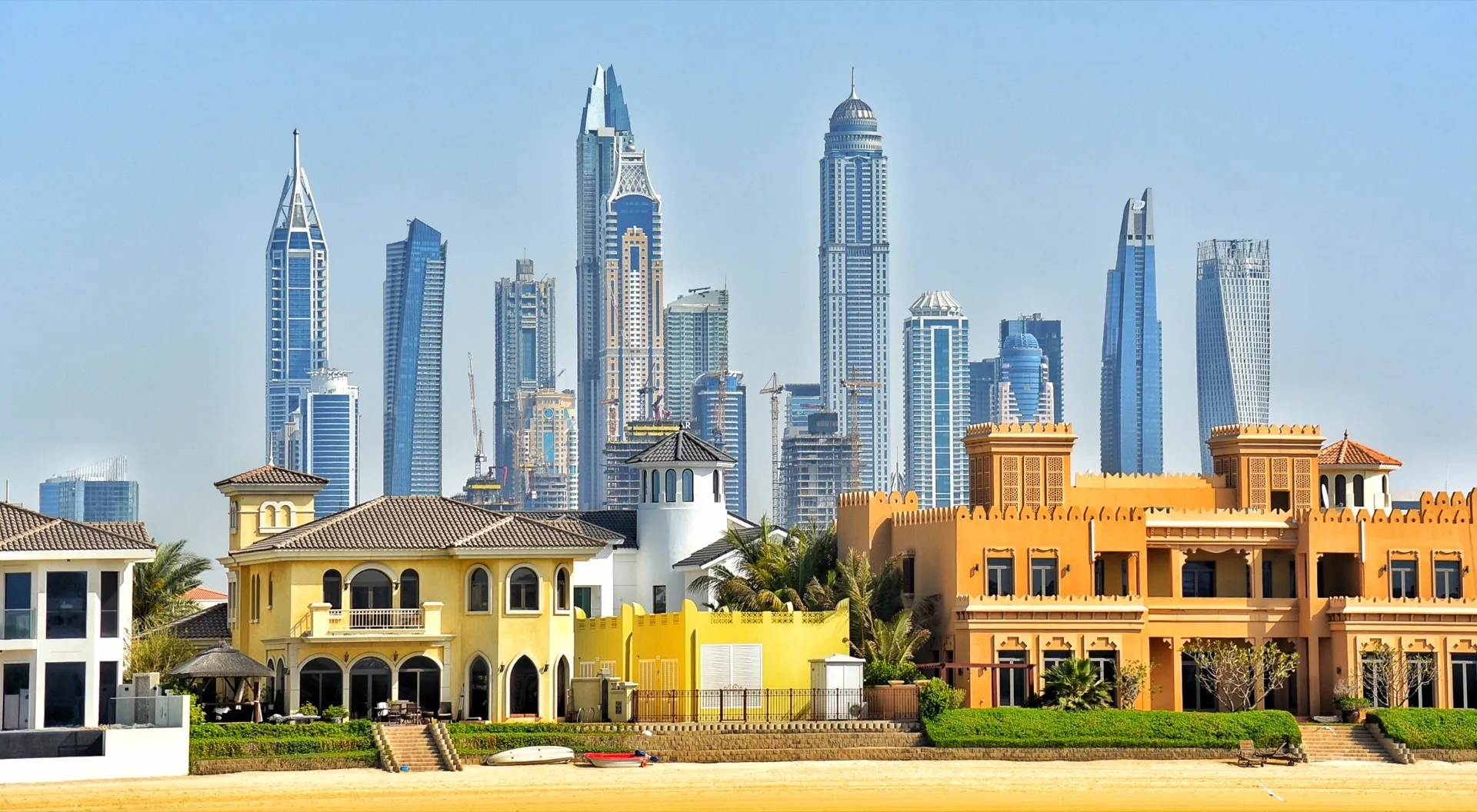
Mirdif is one of Dubai's oldest and most established residential neighbourhoods, located in the eastern part of the city directly south of Dubai International Airport. Unlike the gleaming towers and master-planned communities that dominate Dubai's western corridor, Mirdif offers something increasingly rare in the emirate: a mature, low-rise, tree-lined neighbourhood with wide streets, generous plot sizes, and the kind of genuine community identity that takes decades to develop.
The area has been inhabited since the 1980s, originally as a residential district for Emirati families. Over the decades, Mirdif evolved to include a diverse mix of nationalities, drawn by the spacious villas, family-oriented lifestyle, proximity to the airport, and — critically — some of Dubai's best schools. Today, Mirdif is home to an estimated 50,000–60,000 residents and is widely regarded as one of the top three family communities in Dubai, alongside Arabian Ranches and Jumeirah.
What distinguishes Mirdif from newer villa communities is its maturity. The parks have established trees that provide actual shade. The schools have been operating for over a decade with proven track records. The neighbourhood has a functioning social fabric — residents know their neighbours, community groups are active, and there is a village-like quality that is almost impossible to replicate in a newly built development. For families with children, this organic community feel is often the deciding factor.
The upcoming Metro Blue Line is set to transform Mirdif's connectivity and property values, adding a new dimension to an already compelling residential proposition. This guide covers everything you need to know about living in or investing in Mirdif in 2026.
Sub-Areas of Mirdif
Mirdif is not a single master-planned community but rather a collection of distinct sub-areas that have developed at different times and offer different property types, price points, and ownership structures. Understanding these sub-areas is essential.
Old Mirdif (Original Villas): The original residential core of Mirdif, featuring large standalone villas on generous plots (typically 8,000–15,000 sqft). These older villas are predominantly owned by Emirati families and are generally not available for freehold purchase by expatriates. However, they are available for lease, and many expatriate families rent in this area for the spacious plots, mature gardens, and quiet streets. Rental villas here command AED 120K–220K annually depending on size and condition.
Mirdif Hills (Freehold): Developed by Dubai Holding, Mirdif Hills is a modern, mixed-use community within Mirdif offering freehold ownership to all nationalities. The development includes apartments (1–3 bedrooms), townhouses, and retail facilities arranged around landscaped courtyards and pedestrian walkways. This is the most accessible entry point for expatriate buyers wanting to own in Mirdif. Apartments start from AED 600K, with townhouses from AED 1.5M.
Shorooq (Freehold): Adjacent to Mirdif City Centre, Shorooq is a freehold villa and townhouse community developed by Nakheel. Properties here range from 2-bedroom townhouses to 5-bedroom villas with private gardens and pools. Shorooq offers the best of both worlds — the community feel of traditional Mirdif with the freehold ownership rights that expatriate buyers require. Villas here range from AED 2.5M to AED 5M.
Uptown Mirdif: A newer development featuring contemporary townhouses and apartments designed for modern family living. Uptown Mirdif includes retail outlets, restaurants, and community facilities integrated within the development. The architecture is more contemporary than Shorooq or Old Mirdif, appealing to families who want a modern aesthetic within a traditional neighbourhood. Townhouses start from AED 1.8M.
Ghoroob (Freehold): Another freehold community within the broader Mirdif area, Ghoroob offers villas and townhouses at price points that are often more accessible than Shorooq. The community is well-maintained with good landscaping and shared amenities. Three-bedroom villas in Ghoroob start from AED 2.2M, making it popular with mid-budget families seeking Mirdif's lifestyle without premium pricing.
Property Types and 2026 Price Ranges
| Property Type | Sub-Area | Purchase Price (AED) | Annual Rent (AED) | Gross Yield |
|---|---|---|---|---|
| 1-Bed Apartment | Mirdif Hills | 600K–900K | 42K–60K | 6–7% |
| 2-Bed Apartment | Mirdif Hills / Uptown | 900K–1.5M | 60K–90K | 5.5–7% |
| 2-Bed Townhouse | Shorooq / Ghoroob | 1.5M–2.2M | 85K–120K | 5–6% |
| 3-Bed Townhouse | Shorooq / Uptown | 2M–3M | 110K–150K | 5–5.5% |
| 3-Bed Villa | Shorooq / Ghoroob | 2.5M–4M | 130K–180K | 5–5.5% |
| 4-5 Bed Villa | Shorooq / Old Mirdif | 4M–6M | 180K–280K | 4.5–5.5% |
Mirdif's pricing sits in the mid-market segment — more affordable than Dubai Hills Estate or Arabian Ranches but offering comparable (and arguably superior) community maturity. For families with a budget of AED 2–3M, Mirdif delivers some of the best value-for-money family living in Dubai.
Schools and Education
Schools are arguably Mirdif's single strongest selling point. The neighbourhood hosts some of Dubai's best-rated schools, and the concentration of quality education options within a compact area is unmatched in most other communities. For families with school-age children, this is often the primary reason for choosing Mirdif.
GEMS Royal Dubai School: A British curriculum school serving students from FS1 to Year 13, rated "Very Good" by KHDA. Located within Mirdif, it is walkable from many parts of the community. Annual fees range from AED 20,000 to AED 55,000 depending on year group. The school has a strong academic record and excellent sports facilities.
Uptown School (IB Curriculum): Located in Uptown Mirdif, this school offers the International Baccalaureate (IB) programme from PYP through to the Diploma Programme. Rated "Very Good" by KHDA, it attracts internationally minded families. Fees range from AED 42,000 to AED 82,000. The IB curriculum is particularly attractive for families who may relocate internationally, as the qualification is globally recognised.
Mirdif Private School: An affordable option offering the UAE Ministry of Education curriculum alongside a bilingual (Arabic-English) programme. This school is popular with Arab expatriate families and UAE nationals who want their children to maintain strong Arabic language skills. Fees are among the most affordable in the area, starting from AED 12,000.
Star International School (Al Twar, adjacent to Mirdif): An outstanding-rated IB school located just outside Mirdif in Al Twar, within a 5-minute drive. Star International is one of the highest-rated schools in the broader area and is a common choice for Mirdif families who want a premium IB education.
Nurseries: Mirdif is well-served by nurseries including Blossom Nursery, Yellow Brick Road Nursery, Ladybird Nursery, and Redwood Montessori. Most are within walking distance from major residential areas, and waiting lists — while common — are generally shorter than in premium communities like Dubai Hills or Arabian Ranches.
Mirdif City Centre — Retail and Lifestyle Hub
Mirdif City Centre, developed by Majid Al Futtaim, is the community's primary retail and entertainment destination. With over 430 retail outlets, a Carrefour Hypermarket, VOX Cinemas (including IMAX), Magic Planet family entertainment, and a diverse food court, the mall serves as the social and commercial heart of eastern Dubai.
For Mirdif residents, the mall's proximity eliminates the need for the long drives to Mall of the Emirates or Dubai Mall that residents of many other communities face. Everything from grocery shopping to fashion, electronics, dining, and children's entertainment is available within a 5–10 minute drive (or even walking distance from some parts of Shorooq and Uptown Mirdif).
The mall also hosts community events, seasonal markets, and children's activities throughout the year. The recently expanded outdoor dining terrace and landscaped areas have added a more lifestyle-oriented dimension to what was previously a purely indoor shopping experience.
Parks, Green Spaces and Outdoor Living
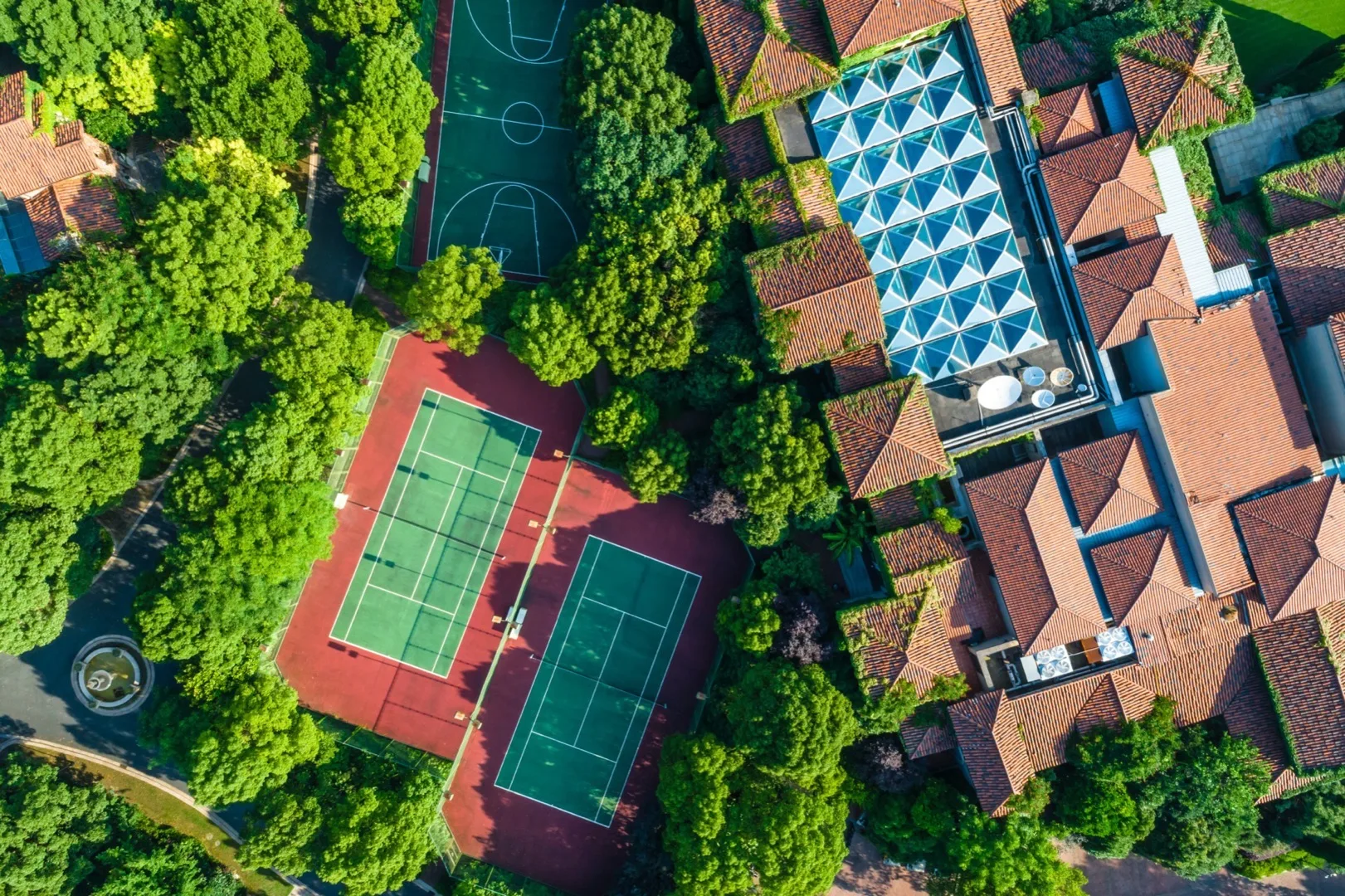
Mirdif's parks and green spaces are among the best in Dubai — not because they are the newest or most manicured, but because they are the most established. Trees planted 20+ years ago provide genuine shade, which is invaluable in Dubai's climate. The difference between walking through a park with mature trees and walking through a newly landscaped development with saplings is the difference between comfort and heat exhaustion.
Mushrif Park: One of Dubai's largest and oldest parks (125 hectares), located adjacent to Mirdif. The park features cycling tracks, horse riding trails, a swimming pool, barbecue areas, a mini zoo, and a model village representing homes from around the world. Entry is AED 3 per person (AED 10 per car). It is a Mirdif institution and one of the main reasons families choose the area.
Uptown Mirdif Parks: The Uptown Mirdif development includes several pocket parks and communal green spaces with children's playgrounds, fitness equipment, and landscaped walking paths. These are particularly well-maintained and provide safe, accessible outdoor space for younger children.
Community Walking and Cycling: Mirdif's relatively flat terrain and wide streets make it one of the few Dubai communities where cycling and walking are genuinely practical for daily errands — not just weekend exercise. Many families cycle to school, to the park, or to neighbourhood shops, something that is rare in car-dependent Dubai.
The Metro Blue Line — Mirdif's Transformation
The most significant upcoming change for Mirdif is the Metro Blue Line, Dubai's third metro line currently under planning and early construction with operations targeted for 2029–2030. The Blue Line will run through eastern Dubai, connecting Dubai International Airport, Festival City, Mirdif, and extending to International City and Dubai Silicon Oasis.
For Mirdif, this represents a fundamental shift in connectivity. Currently, the community is entirely car-dependent — there is no metro station within walking distance, and bus services, while available, are infrequent. The Blue Line will add at least one (potentially two) metro stations within or adjacent to Mirdif, connecting residents to the broader metro network for the first time.
The investment implications are significant. Historical data from Dubai shows that metro access typically adds 10–15% to property values within 500 metres of a station, with a broader 5–8% uplift across the surrounding community. Mirdif's current pricing does not fully reflect this future connectivity — creating an opportunity for buyers who position before the line becomes operational.
Beyond property values, the Blue Line will make Mirdif accessible to a broader tenant pool. Currently, tenants without cars find Mirdif impractical, limiting the rental market to car-owning families and professionals. Metro access will open the community to young professionals, couples, and smaller households who use public transit — expanding demand and supporting rental growth.
Free Weekly Insights
Get Dubai Market Updates in Your Inbox
Expert analysis, market data, and practical tips — trusted by Dubai professionals.
✓ You're in! Check your inbox.
Proximity to Dubai International Airport
Mirdif's location directly south of Dubai International Airport (DXB) is both an advantage and a consideration. The airport is approximately 5–10 minutes away by car, making Mirdif one of the most convenient communities in Dubai for frequent travellers. Business professionals who fly regularly — and Dubai has many of them — find this proximity invaluable.
The consideration, naturally, is aircraft noise. Properties in the northern parts of Mirdif, closest to the runway flight path, experience varying levels of aircraft noise. However, the impact is less than many people assume — modern aircraft are significantly quieter than older models, Dubai airport imposes noise restrictions during late-night hours, and most Mirdif properties are built with double-glazing that substantially mitigates interior noise levels.
When purchasing in Mirdif, pay attention to the specific location relative to the flight path. Properties in southern Mirdif (Shorooq, Ghoroob) and western Mirdif (Mirdif Hills) are generally less affected than those in the northern strip closest to the airport boundary.
Freehold Status — What Expatriates Can Buy
A critical distinction within Mirdif is the freehold vs. leasehold divide. Not all of Mirdif is available for freehold purchase by expatriates — only specific sub-developments carry freehold designation.
Freehold areas (all nationalities can buy): Mirdif Hills, Shorooq, Uptown Mirdif, Ghoroob. These are the designated freehold zones within the broader Mirdif area. Expatriates can purchase with full title deed ownership and are eligible for investor visas and Golden Visas (for purchases of AED 2M+).
Leasehold areas (UAE/GCC nationals): The older, original Mirdif villa areas are predominantly owned by Emirati families. Expatriates can rent in these areas (and many do, for the larger plot sizes) but cannot purchase. Some villas may be available on long-term lease (30–99 years) but full freehold ownership is not possible.
This distinction matters significantly for investment strategy. If you are buying for rental income or capital growth and need full freehold ownership, focus on Mirdif Hills, Shorooq, Uptown Mirdif, or Ghoroob. If you simply want to live in Mirdif's best areas and are comfortable renting, the older villa zones offer larger properties at competitive rental rates. For a detailed understanding of buying as a foreigner, see our guide on buying property in Dubai.
Healthcare Facilities
Mirdif's healthcare infrastructure is well-developed, reflecting the area's maturity and established population base.
Medcare Hospital (Mirdif): A multi-speciality hospital located within Mirdif, offering emergency services, outpatient clinics, maternity, paediatrics, and surgical facilities. This is the most convenient option for Mirdif residents and handles the vast majority of everyday medical needs.
Mediclinic Airport Road: A short drive from Mirdif, this Mediclinic facility provides specialist services including cardiology, orthopaedics, and advanced diagnostics. For anything that Medcare cannot handle, Mediclinic is the next step.
Community Clinics: Multiple GP practices, dental clinics (including Dr. Michael's, Dr. Joy), pharmacies (Aster, Bin Sina, Life), and physiotherapy centres are distributed throughout Mirdif's commercial areas. Walking-distance access to a pharmacy is available from most residential locations.
Community Feel — Why Families Stay
Mirdif's community identity is its most intangible but arguably most important asset. Unlike newer developments where residents are strangers who happen to share an address, Mirdif has developed genuine social cohesion over decades. This manifests in several ways:
Long-Term Residency: Families in Mirdif tend to stay for years — sometimes decades. This stability creates continuity in school friendships, neighbourhood relationships, and community group participation. Children grow up with consistent friend groups, parents develop genuine friendships with neighbours, and there is a sense of belonging that transient communities simply cannot offer.
Community Groups: Active Facebook groups, WhatsApp communities, and neighbourhood committees organise regular events including garage sales, children's play dates, festive celebrations, and community clean-up drives. These organic social structures are a hallmark of Mirdif life.
Pet-Friendly Environment: Mirdif's wide streets, parks, and relatively low traffic make it one of Dubai's most genuinely pet-friendly communities. Dog walkers are a common sight, and the availability of villas with gardens means pets have outdoor space — a significant consideration for animal-loving families.
Cultural Diversity: Mirdif's resident base includes Emiratis, other Arab nationalities, South Asians, Europeans, and Africans in relatively balanced proportions. This diversity creates a cosmopolitan neighbourhood atmosphere while maintaining a family-friendly character. Children grow up exposed to multiple cultures and languages — an educational benefit that goes beyond formal schooling.
Pros and Cons of Living in Mirdif
Pros:
- Established community feel: 40+ years of residential history creates genuine neighbourhood identity and social cohesion.
- Excellent schools: Multiple top-rated schools within the community — a primary draw for families with children.
- Spacious properties: Villas with large gardens and generous indoor space — significantly more room than apartment living.
- Mature landscaping: 20+ year old trees, established parks, and genuine greenery throughout the community.
- Mirdif City Centre: A major mall within the community eliminates the need for long shopping commutes.
- Airport proximity: 5–10 minutes to DXB — ideal for frequent travellers and aviation industry professionals.
- Metro Blue Line coming: The 2029 Blue Line will transform connectivity and support property value growth.
- Affordable pricing: Lower entry points than comparable communities like Arabian Ranches or Dubai Hills.
Cons:
- No metro access yet: Until the Blue Line opens, Mirdif is entirely car-dependent for commuting.
- Limited freehold options: Only specific sub-areas (Mirdif Hills, Shorooq, Uptown, Ghoroob) are freehold for expatriates.
- Aircraft noise: Northern parts of Mirdif experience aircraft noise from DXB flight paths.
- Distance from New Dubai: Commuting to Media City, Internet City, or Dubai Marina takes 30–45 minutes in peak traffic.
- Aging infrastructure in older sections: Some older villas and streets show their age with maintenance needs.
- Limited nightlife and entertainment: Mirdif is family-oriented — those seeking nightlife will need to travel to Marina or Downtown.
Investment Outlook — Is Mirdif a Good Buy in 2026?
Mirdif's investment case in 2026 rests on three pillars:
1. Blue Line Metro Appreciation: The confirmed Blue Line metro extension provides a clear, time-bound catalyst for property value increases. Investors who buy before metro operations begin (2029–2030) are positioning to capture the 10–15% appreciation that metro access typically delivers. This is not speculative — it is based on observed patterns across every metro station Dubai has ever opened.
2. Structural Undersupply of Family Properties: Dubai's pipeline of new tower apartments is massive, but the supply of family-sized villas and townhouses in established, school-rich communities is inherently limited. Mirdif's fixed land area means no new villa supply can enter the market — existing stock must accommodate growing demand. This supply constraint supports long-term price stability.
3. Rental Demand from Eastern Dubai Employment Hubs: Airport City, DAFZA (Dubai Airport Free Zone), Dubai Silicon Oasis, and Dubai Healthcare City all generate significant tenant demand for family properties in Mirdif. As these employment zones continue to expand, rental demand in Mirdif will grow correspondingly. Use our ROI calculator to model specific investment scenarios.
For buyers considering financing, our mortgage guide covers current rates and eligibility requirements for villa and apartment purchases in freehold Mirdif areas.
Frequently Asked Questions
Can expatriates buy property in Mirdif?
Is Mirdif affected by airport noise?
When will the Metro Blue Line reach Mirdif?
What are the best schools near Mirdif?
How does Mirdif compare to Arabian Ranches for families?
Does buying in Mirdif qualify for a Golden Visa?
Have Questions?
Get personalized advice from our Dubai real estate team.
Thank You!
We'll get back to you within 24 hours.
Real Estate Agencies in Dubai
Explore providers from our business directory
Still have questions?
Ask a follow-up, or get connected with a vetted Dubai professional.
Join our Telegram channel
Handover alerts, new launches & DLD data — first, in real time.