Driving in Dubai: License Conversion, Rules & What Expats Need to Know (2026)

- Citizens of 36 countries (including UK, USA, Canada, Australia, Germany, France, and most of Western Europe) can convert their existing licence to a UAE licence without taking a driving test — just a vision test, paperwork, and AED 900–1,100 in fees.
- If your country is not on the eligible list, you will need to attend a driving school and pass both theory and practical tests. Budget AED 5,000–7,000 and 2–6 months for the full process.
- Salik (road toll) costs AED 4 per gate passage, with most daily commuters spending AED 400–600 per month. There are currently 10 toll gates across Dubai.
- The UAE uses a black points system — accumulate 24 points and your licence is suspended. Serious offences like reckless driving or racing carry instant impoundment.
- Total car ownership cost in Dubai ranges from AED 2,500–5,500 per month when you factor in loan payments, insurance, Salik, fuel, parking, and maintenance.
- Dubai Metro, bus, and tram offer a viable car-free alternative at AED 350/month for a Nol silver card with unlimited travel — realistic for residents living and working near metro lines.
Dubai is a car city. Unlike London or Paris where public transport can cover 90% of your daily needs, Dubai's urban sprawl, highway-centric design, and summer heat make personal transport a near-necessity for most residents. Whether you are commuting from Dubai Marina to DIFC, school-running in Arabian Ranches, or exploring the Northern Emirates on weekends, understanding how driving works in Dubai is essential for every expat.
The good news: Dubai's road infrastructure is world-class. Eight-lane highways, modern interchanges, clear signage in English and Arabic, and well-maintained surfaces make driving here technically straightforward. The challenge lies in understanding the rules, managing the costs, and navigating a driving culture that moves fast — literally and figuratively.
This guide covers everything from licence conversion and traffic fines to car ownership economics and whether you can realistically survive without a car in 2026. If you are budgeting your overall move, pair this with our complete cost of living breakdown to see how transport fits into your monthly spend.
Automatic Licence Conversion — The 36 Eligible Countries
The UAE has reciprocal agreements with 36 countries whose driving licences can be converted directly to a UAE licence without any driving tests. If your home country is on this list, the process is remarkably simple — a vision test, some paperwork, and you will have your UAE licence within 3–5 working days.
| Region | Eligible Countries |
|---|---|
| Europe | United Kingdom, Germany, France, Netherlands, Belgium, Austria, Switzerland, Sweden, Norway, Denmark, Finland, Ireland, Italy, Spain, Portugal, Greece, Poland, Romania, Turkey |
| North America | United States, Canada |
| Asia-Pacific | Australia, New Zealand, Japan, South Korea, Singapore, Hong Kong |
| Middle East | Saudi Arabia, Qatar, Bahrain, Kuwait, Oman |
| Africa | South Africa |
| Other | China, Russia |
Conversion Process (Step by Step)
- Get your existing licence translated — if it is not in English or Arabic, you will need a certified translation from a legal translation office (AED 100–200).
- Visit an RTA-approved typing centre — bring your original licence, Emirates ID, passport with residence visa, two passport photos, and a No Objection Certificate (NOC) from your sponsor if employed. The typing centre prepares your application (AED 150–220).
- Take an eye test — available at the typing centre itself or an RTA-approved optician (AED 50–100).
- Collect your UAE licence — your new licence is usually ready within 3–5 working days. Total cost: AED 900–1,100.
Your UAE driving licence is valid for the same vehicle categories as your original licence and renewable every 2 years for residents (10 years for GCC nationals).
Getting a UAE Licence from Scratch
If your country is not on the eligible list — which includes most of South Asia, Southeast Asia, parts of Africa, and Latin America — you will need to attend a registered driving school and pass RTA examinations. This is a significant investment of time and money, but the process is well-structured.
The Process
- Open a learning file at an RTA-approved driving school — popular options include Emirates Driving Institute (EDI), Dubai Driving Centre (DDC), Belhasa Driving Centre, and Galadari Motor Driving Centre. Opening fee: AED 200–350.
- Complete theory classes — 8 mandatory lectures covering UAE road rules, hazard perception, and road signs. Cost: AED 500–800.
- Pass the theory test — a computer-based multiple-choice exam at the RTA. Test fee: AED 200. Pass rate on first attempt is roughly 60–70%.
- Complete practical driving lessons — minimum 40 lessons of 40 minutes each for beginners. This is where the bulk of the cost sits. Typical package: AED 3,000–5,000 for 40 lessons.
- Internal assessment — your driving school conducts a mock test before putting you forward for the RTA road test.
- RTA road test — a 15–20 minute practical exam with an RTA examiner. Test fee: AED 300. If you fail, you must complete additional lessons (usually 8–10) before retaking. Many learners require 2–3 attempts.
- Licence issuance — once you pass, your licence is issued within 1–2 days. Licence fee: AED 300.
| Cost Component | Amount (AED) |
|---|---|
| File opening + knowledge fee | 200–350 |
| Theory classes (8 lectures) | 500–800 |
| Theory test fee | 200 |
| Practical lessons (40 lessons) | 3,000–5,000 |
| Road test fee | 300 |
| Licence issuance | 300 |
| Total (first attempt) | 4,500–7,000 |
The timeline varies considerably. Fast learners who pass on their first attempt can complete the process in 2–3 months. Those who need additional lessons or multiple test attempts may take 4–6 months. Some schools offer VIP/fast-track packages (AED 8,000–12,000) that promise prioritised scheduling and additional practice time.
Traffic Rules & Fines
Dubai's traffic rules are broadly similar to international standards, but enforcement is strict and fines are considerably higher than in most countries. The UAE uses a combination of fixed speed cameras, mobile radar, and increasingly sophisticated AI-based monitoring systems.
Speed Limits
- Urban roads: 40–60 km/h (most residential areas and internal community roads)
- Main city roads: 60–80 km/h (Al Wasl Road, Jumeirah Beach Road, most arterials)
- Highways: 100–120 km/h (Sheikh Zayed Road, Al Khail Road, Emirates Road)
- Buffer zone: Most cameras have a +20 km/h buffer — meaning a 120 km/h road typically flashes at 141 km/h. However, do not rely on this buffer as it can change without notice.
Common Fines
| Offence | Fine (AED) | Black Points |
|---|---|---|
| Exceeding speed limit by up to 30 km/h | 600 | 6 |
| Exceeding speed limit by 30–50 km/h | 1,000 | 12 |
| Exceeding speed limit by 50+ km/h | 2,000 | 23 |
| Running a red light | 1,000 | 12 |
| Using mobile phone while driving | 800 | 4 |
| Not wearing seatbelt | 400 | 4 |
| Tailgating | 400 | 4 |
| Illegal parking | 200–1,000 | 0–4 |
| Reckless driving / racing | 2,000+ | 23 |
Black Points System
Every UAE driving licence has a 24-point threshold within a 12-month rolling period. Accumulate 24 or more points and your licence is suspended — first offence for 3 months, second offence for 6 months, third offence for 1 year with mandatory re-examination. Points reset annually, but active suspensions must be served in full. Serious offences (racing on public roads, driving under the influence, causing a fatal accident) can result in immediate vehicle impoundment for 30–60 days, licence confiscation, and even jail time.
Salik (Road Toll)
Salik is Dubai's automatic toll system. Every time you pass through a Salik gate, AED 4 is deducted from your prepaid Salik account. There are currently 10 toll gates across Dubai, positioned on the busiest corridors:
- Sheikh Zayed Road: Al Barsha and Al Safa gates
- Al Maktoum Bridge and Al Garhoud Bridge
- Business Bay Crossing
- Airport Tunnel
- Al Mamzar, Jebel Ali, Al Wasl, and Minhad gates
If you commute from Dubai Marina to DIFC daily, expect to pass through 2 gates each way — that is AED 16/day or AED 350–400/month. Residents commuting from outer areas like Dubailand or Dubai Silicon Oasis may spend even more. A weekly cap of AED 100 applies (resetting Saturday), which offers some relief for heavy commuters.
Car Ownership Costs
Buying or leasing a car in Dubai is relatively affordable compared to Europe or Australia, but the total cost of ownership extends well beyond the vehicle price. Here is a realistic breakdown of what you will pay monthly to own and operate a mid-range vehicle (Toyota Camry, Hyundai Tucson, Nissan X-Trail, or similar):
| Expense | Monthly (AED) | Annual (AED) |
|---|---|---|
| Car loan / lease payment | 1,200–2,500 | 14,400–30,000 |
| Insurance (comprehensive) | 200–450 | 2,500–5,500 |
| Vehicle registration (Mulkiya) | 35–50 | 420–600 |
| Salik tolls | 400–600 | 4,800–7,200 |
| Fuel (petrol) | 300–500 | 3,600–6,000 |
| Parking | 200–500 | 2,400–6,000 |
| Service / maintenance | 100–200 | 1,200–2,400 |
| Total | 2,435–4,800 | 29,320–57,700 |
Fuel prices in the UAE are government-regulated and published monthly. As of early 2026, Super 98 petrol costs approximately AED 3.10/litre and Special 95 around AED 2.99/litre — significantly cheaper than Europe but higher than neighbouring Saudi Arabia or Oman. A typical sedan consuming 10L/100km and covering 1,500 km/month will burn through AED 450–470 in fuel. For a comprehensive view of monthly expenses including transport, see our utilities and monthly bills guide.
Renting vs Buying a Car
If you are new to Dubai and unsure about your long-term stay, renting a car can be more practical than buying. The rental market is competitive and flexible:
- Short-term rental (daily/weekly): AED 80–200/day for economy to mid-range vehicles. Useful during your first weeks while settling in.
- Monthly rental: AED 1,800–3,500/month for a mid-range SUV or sedan. Includes basic insurance and maintenance. Popular providers: Hertz, Budget, Europcar, and local agencies like Shift and Invygo.
- Long-term lease (12+ months): AED 1,500–2,800/month with full maintenance packages. Companies like Udrive and Ekar also offer subscription models that include insurance, Salik, and servicing in a single monthly fee.
Buying makes financial sense if you plan to stay for 2+ years. New car prices in Dubai are 15–25% lower than in Europe, and Japanese imports (Toyota, Nissan, Honda) hold their value exceptionally well in the GCC market. Used car options are abundant through platforms like Dubizzle, AutoTrader UAE, and dealer groups like Al Futtaim, Al Tayer, and Arabian Automobiles.
Living in Dubai?
Dubai Living Tips Weekly
Cost-of-living data, neighborhood guides, and practical expat tips — every week.
✓ You're in! Check your inbox.
Public Transport Alternative
While Dubai is car-centric, the public transport network has improved dramatically and now offers a genuine alternative for residents living near transit corridors.
Dubai Metro
Two lines — Red and Green — covering 79 stations. The Red Line runs from UAE Exchange (Jebel Ali) to Centrepoint (Rashidiya) via Dubai Marina, JLT, DIFC, and Deira. The Green Line connects Creek-side areas. Metro operates from 5am to midnight (Friday from 10am). Trains are modern, air-conditioned, and segregated (Gold Class, Women & Children, Silver standard).
Dubai Bus
Over 120 routes connecting areas the metro does not reach. Useful for last-mile connectivity. Air-conditioned buses with Wi-Fi.
Dubai Tram
Runs along Al Sufouh Road connecting Dubai Marina, JBR, and Media City to the metro. Ideal for residents in the Marina/JBR corridor.
Nol Card Pricing
| Card Type | Card Fee (AED) | Single Zone Trip | Cross-Zone Trip | Daily Cap |
|---|---|---|---|---|
| Silver (standard) | 25 | 4 | 8.50 | 22 |
| Gold (premium) | 25 | 8 | 17 | 44 |
For a daily commuter using the Silver card for 2 cross-zone trips per day (roughly AED 17/day), the monthly cost is approximately AED 350 — a fraction of car ownership costs. Add an occasional taxi or ride-hail for errands, and you can get by on AED 500–700/month total transport spend.
Ride-Hailing: Careem, Uber & Alternatives
Ride-hailing is deeply embedded in Dubai's transport culture. Many expats — especially singles and couples without children — skip car ownership entirely and rely on a combination of metro and ride-hailing apps.
- Careem (by Uber): The dominant app in the UAE. Offers Go (economy), Comfort, Business, and MAX (luxury) tiers. Typical city ride: AED 25–50. Airport to Marina: AED 60–80.
- Uber: Also operates in Dubai alongside Careem. Pricing is comparable. UberX, Comfort, and Black tiers available.
- Hala Taxi: RTA's official taxi-hailing app powered by Careem technology. Metered taxis at standard RTA rates (AED 5 flag-fall + AED 1.96/km).
A realistic monthly spend for someone using ride-hailing as their primary transport is AED 1,500–3,000, depending on commute distance and frequency. This can actually be cheaper than car ownership once you factor in insurance, Salik, parking, and depreciation — especially if you live close to your workplace.
Key Roads Every Driver Should Know
Dubai's road network can feel overwhelming at first. Here are the essential corridors every driver will use regularly:
- Sheikh Zayed Road (E11): The spine of Dubai. Runs from Abu Dhabi border through Dubai Marina, Media City, DIFC, Downtown, and into Sharjah. 12 lanes, speed limit 100–120 km/h. Expect congestion during rush hours (7–9am and 5–8pm).
- Al Khail Road (E44): The parallel alternative to Sheikh Zayed Road, running slightly inland. Connects Jebel Ali, Motor City, Business Bay, and Festival City. Generally less congested and faster for crosstown commutes.
- Emirates Road (E311): The outer bypass connecting Dubai's newer suburbs (Dubailand, Dubai Silicon Oasis, Dubai South) to the northern emirates. Speed limit 120 km/h. Essential for residents in outer communities.
- Hessa Street (D61): An increasingly important east-west artery connecting Arabian Ranches, Motor City, and Sports City to JLT and Dubai Marina. Heavily developed with new residential projects along its corridor.
- Mohammed Bin Zayed Road (E311/E611): Another key bypass road connecting Sharjah to Abu Dhabi, running through Dubai's eastern communities.
- Jumeirah Beach Road: The scenic coastal road running from Umm Suqeim through Jumeirah to Port Rashid. Speed limit 60 km/h. A slower but beautiful alternative to Sheikh Zayed Road for coastal commutes.
Invest in a good navigation app (Google Maps and Waze both work excellently in Dubai) and learn the major interchange names — the Mall of the Emirates junction, the Safa Park interchange, and the Dubai Mall exit are landmarks you will use daily.
Car Insurance Guide
Vehicle insurance is mandatory in the UAE. You have two main options:
Third-Party Liability (TPL)
The legal minimum. Covers damage you cause to other vehicles and property, plus injury to third parties. Does not cover damage to your own vehicle. Cost: AED 800–1,500/year depending on vehicle value and driver profile. Suitable for older vehicles worth less than AED 30,000.
Comprehensive Insurance
Covers your own vehicle damage (collision, theft, fire, natural disaster) plus third-party liability. Cost: AED 2,500–5,500/year, typically calculated as 2.5–4% of vehicle value. New cars purchased on finance are required to carry comprehensive insurance. Includes features like roadside assistance, agency repair, rent-a-car during repairs, and personal accident cover.
Popular Providers
- Oman Insurance Company: One of the most established, competitive premiums, good claim experience.
- AXA Gulf: Strong European brand, comprehensive online portal, good for premium vehicles.
- Salama Islamic Arab Insurance: Sharia-compliant option with competitive rates.
- RSA (Royal & Sun Alliance): Preferred by many expats for responsive claims processing.
- Orient Insurance: One of the largest in the UAE, competitive on SUVs and family vehicles.
Tip: use comparison platforms like Policybazaar UAE, InsuranceMarket.ae, or Bayzat to compare quotes. Premiums vary significantly between providers — shopping around can save you 20–30% on the same coverage level. Your premium is influenced by vehicle make, model year, driver age, claims history, and whether you choose agency repair (genuine parts) or non-agency (aftermarket).
Parking in Dubai
Parking is available across Dubai but varies significantly by area. Understanding the system will save you both money and frustration.
RTA Paid Parking Zones
- Premium zones (DIFC, Downtown, Bur Dubai, Deira): AED 4–6/hour. Limited free time. High enforcement with both wardens and cameras.
- Standard zones (Jumeirah, Al Barsha, Karama): AED 2–4/hour. More availability but still enforced.
- Residential permit parking: Residents can apply for an annual parking permit (AED 800–1,200/year) for designated zones near their homes.
Free Parking
- All RTA parking is free on Sundays (as of 2024 change from Friday to Sunday).
- Most residential communities (Springs, Meadows, Arabian Ranches, JVC, etc.) have free parking within the community.
- Malls and shopping centres offer 2–4 hours free parking, with premium/valet options for AED 50–100.
Parking Apps
Download the RTA mParking app or use SMS parking (text the zone code to 7275). Parking fines are AED 150–450 and are linked to your vehicle registration — unpaid fines block your annual Mulkiya renewal. For residents in apartment buildings, allocated parking is typically included in rent, though additional spots in high-demand areas like Dubai Marina can cost AED 500–1,500/month.
If you are planning your move and want to calculate your complete monthly budget including transport, try our relocation cost estimator tool. For UK nationals making the move, our UK relocation guide includes transport-specific advice for British expats, including right-hand drive conversion and importing your vehicle. You can also review overall visa and residency costs as licence conversion is typically handled alongside your residency application.
Frequently Asked Questions
Can I drive in Dubai with my home country licence?
Visitors can drive in the UAE using their home country licence or an International Driving Permit (IDP) for up to 6 months. However, once you obtain a UAE residence visa, you must convert or obtain a UAE driving licence. Driving on a foreign licence after becoming a resident can result in fines and insurance complications — your insurer may void your coverage if you are in an accident while driving on an invalid licence.
How long does the licence conversion take for eligible countries?
The entire process takes 3–5 working days from application to receiving your new UAE licence. The actual RTA visit takes about 30–60 minutes including the eye test. The main delay is scheduling your appointment, which can sometimes add a few days during peak periods.
Is it safe to drive in Dubai?
Dubai's roads are modern and well-maintained with excellent lighting and signage. The main challenges are aggressive lane-changing on highways, tailgating (particularly on the fast lane of Sheikh Zayed Road), sudden braking in heavy traffic, and occasional sandstorms that reduce visibility. Drive defensively, maintain a safe following distance, and avoid the far-left lane unless you are overtaking. Overall, accident rates have decreased steadily thanks to strict enforcement and modern vehicle safety standards.
What happens if I get into an accident?
For minor accidents (no injuries, both vehicles drivable), both parties should pull to the side of the road and report the incident via the Dubai Police app or by calling 901. The police will issue an accident report electronically, which your insurance company needs for the claim. For serious accidents involving injuries, call 999 immediately and do not move the vehicles until police arrive. Never admit fault at the scene — let the police report determine liability.
Do I need an international driving permit (IDP)?
If you are visiting Dubai as a tourist, an IDP is recommended but not always required — most rental companies accept a valid driving licence from your home country (especially if in English). Once you become a UAE resident, an IDP is irrelevant; you need a UAE driving licence. If you hold a UAE licence and travel abroad, you may need an IDP for certain countries — check the destination's requirements.
Can I bring my car to Dubai from abroad?
Yes, but it is rarely cost-effective. Importing a personal vehicle involves shipping costs (AED 5,000–15,000 depending on origin), 5% customs duty on the vehicle's assessed value, RTA registration and inspection fees, potential modification costs to meet UAE specifications (left-hand drive requirement), and higher insurance premiums for imported vehicles. In most cases, selling your car at home and buying locally in Dubai is the better financial decision.
Are electric vehicles practical in Dubai?
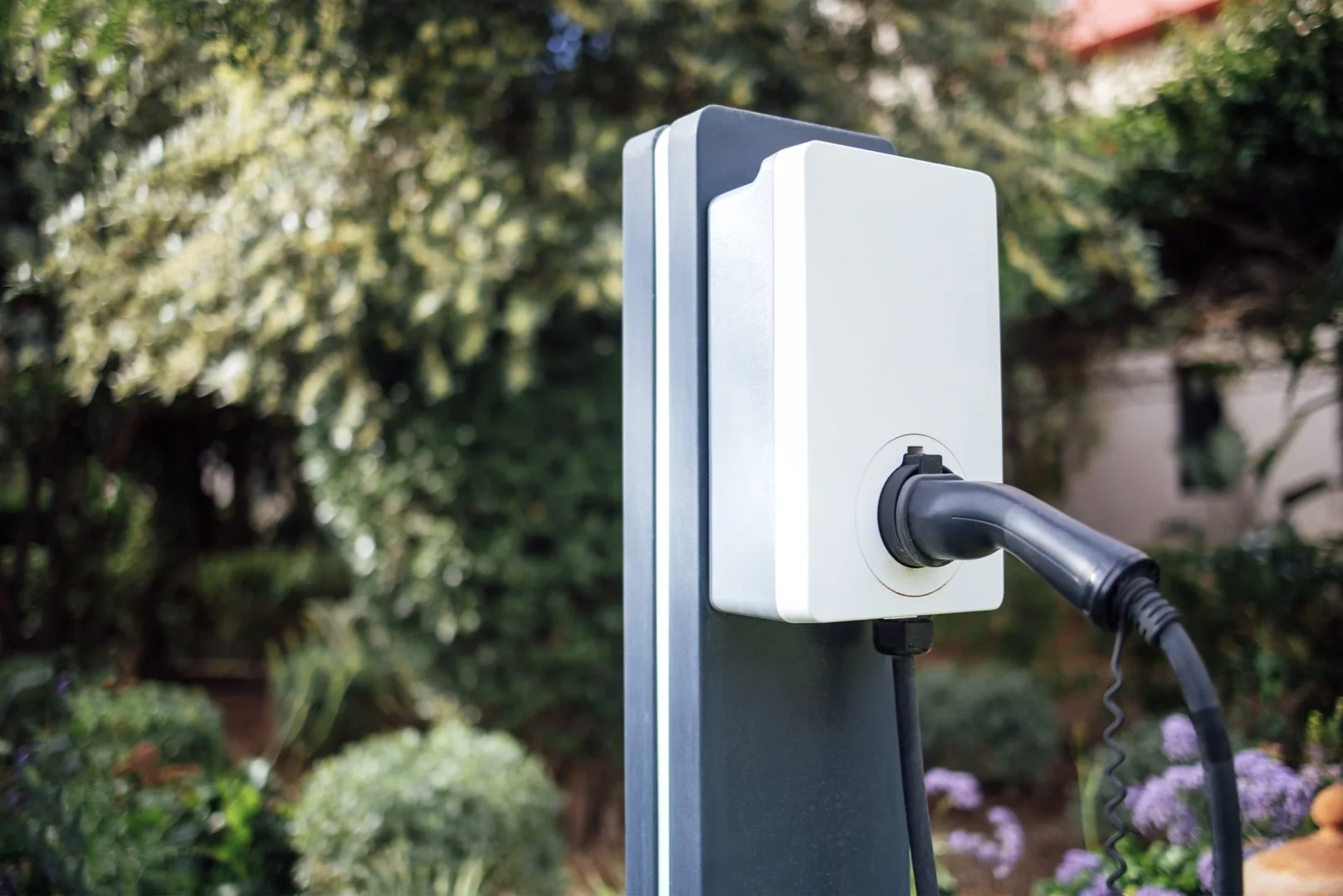
Increasingly so. Tesla, BYD, Polestar, BMW iX, and Mercedes EQS are all available locally. DEWA's Green Charger network has over 500 stations across Dubai, and many residential and commercial buildings are adding charging infrastructure. EV owners enjoy free Salik for registered green-number-plate vehicles, free RTA parking, and reduced registration fees. The main limitation is range during extreme summer heat when air conditioning draws significant battery power.
What is the drink-driving limit in Dubai?
The UAE has a zero-tolerance policy for drink-driving. Any detectable level of alcohol can result in arrest, licence suspension, vehicle impoundment, fines of AED 20,000+, and even imprisonment. There is no minimum blood alcohol threshold as in many Western countries. If you drink, use a designated driver, Careem, Uber, or a valet service — no exceptions.
Written by the REC Dubai Life Specialist. Last updated April 2026. This guide provides general information based on current RTA regulations and market rates. Fees, fines, and rules are subject to change — always verify with the Roads and Transport Authority (RTA) official website for the latest information.
Settling into Dubai?
Ask us anything about living here — or get matched with trusted local services.
Thank You!
We'll get back to you within 24 hours.
Home Maintenance & Cleaning in Dubai
Explore providers from our business directory
Still have questions?
Ask a follow-up, or get connected with a vetted Dubai professional.
Join our Telegram channel
Handover alerts, new launches & DLD data — first, in real time.