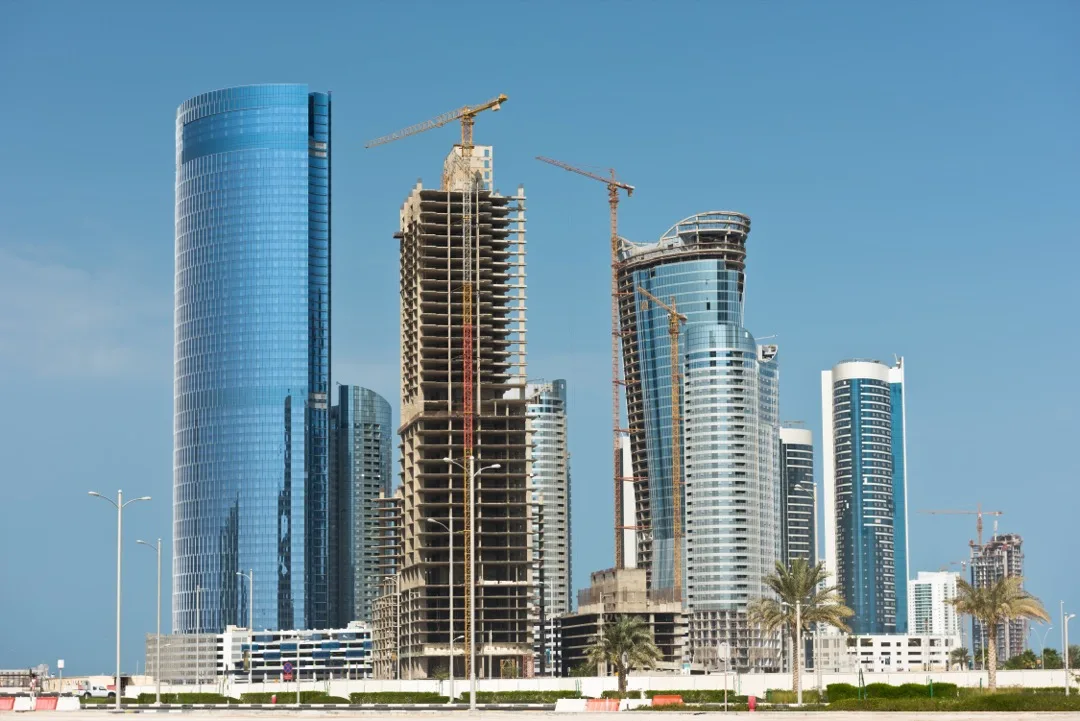
Off-Plan vs Ready Property in Dubai: Which Is the Better Investment?

- Off-plan offers lower entry prices (10–20% below ready), flexible payment plans, and capital appreciation potential — but carries construction risk and delayed income.
- Ready property provides immediate rental income, what-you-see-is-what-you-get certainty, and established community amenities — but requires full upfront payment or mortgage.
- Off-plan works best for long-term investors who can wait 2–4 years for returns.
- Ready property suits income-focused investors and those needing immediate occupancy or Golden Visa eligibility.
- Both are regulated by the Dubai Land Department; buyer protections exist for both.
It's the most common question in Dubai real estate: should I buy off-plan or ready? The answer isn't universal — it depends entirely on your investment goals, timeline, cash flow needs, and risk appetite. Both options have produced exceptional returns for Dubai investors, and both carry distinct risks.
In this comprehensive guide, we break down the off-plan vs. ready debate across every dimension that matters: pricing, payment structures, rental income, capital appreciation, legal protections, risk factors, and investor suitability. By the end, you'll have a clear framework for deciding which approach — or which combination — is right for your situation.
For foundational knowledge about the Dubai buying process, start with our complete guide to buying property in Dubai.
What Is Off-Plan Property?
Off-plan property refers to units purchased directly from a developer before construction is complete — sometimes before it has even begun. The buyer commits to purchasing based on floor plans, renders, showroom models, and the developer's track record. Payment is typically spread across the construction period through an installment plan.
In Dubai, all off-plan projects must be registered with the Dubai Land Department (DLD) and approved by RERA (Real Estate Regulatory Agency). Developers must deposit buyer payments into an escrow account — they cannot access the funds for other purposes. This escrow system, introduced after the 2008 financial crisis, has significantly reduced the risk of off-plan investment in Dubai.
What Is Ready Property?
Ready property (also called secondary market or resale) refers to completed units that can be occupied immediately upon purchase. These can be bought from the original developer (if unsold inventory remains) or from an existing owner on the resale market.
Ready properties come with a title deed issued by the DLD, can be physically inspected before purchase, and — crucially — can generate rental income from day one.
Pricing: Off-Plan Advantage
Why Off-Plan Is Cheaper
Developers price off-plan units 10–20% below comparable ready properties to attract early buyers and fund construction. This discount is the primary financial incentive for off-plan investment. You're essentially being rewarded for taking on construction risk and accepting delayed delivery.
For example, a one-bedroom apartment in a new Business Bay tower might launch off-plan at AED 1.1 million in 2025, while a comparable completed unit in the same area sells for AED 1.3–1.4 million. That 15–20% gap represents your built-in equity at the time of handover, assuming market conditions remain stable.
The Price Escalation Pattern
Off-plan property prices typically follow a predictable escalation:
- Launch price: The lowest price, offered during the initial sales event (sometimes with additional launch-day discounts of 3–5%).
- Construction phase: Prices increase 5–10% as construction progresses and more units are sold.
- Near completion: Prices approach or match ready-market levels as the completion date nears and the project becomes tangible.
- Post-handover: Prices align with the broader resale market, reflecting actual quality, location, and market conditions.
Smart off-plan investors buy at stage 1 and sell (or refinance) at stages 3 or 4, capturing the price escalation. However, this pattern is not guaranteed — market downturns can flatten or reverse the escalation curve.
"Off-plan is a bet on time and the developer's ability to deliver. When it works — and in Dubai's current market, it usually does — the returns are exceptional. When it doesn't, you're stuck holding a promise instead of a property."
— Perspective from Dubai real estate advisors
Payment Plans: The Off-Plan Advantage
Off-Plan Payment Structures
One of the most compelling reasons investors choose off-plan is the payment flexibility. Typical structures include:
- Construction-linked plan: 10–20% down payment, with remaining installments tied to construction milestones (e.g., 10% at foundation, 10% at 50% completion, etc.) and a final payment of 30–40% on handover.
- Post-handover plan: Lower payments during construction (40–50% total) with the remaining 50–60% spread over 2–5 years after handover. This allows investors to start earning rent while still paying installments.
- 80/20 or 70/30 plans: Very low upfront commitments (20–30%) with the bulk due on handover. These are common for premium developers trying to attract maximum buyers.
For an investor, this means you can control a AED 1.5 million asset with an initial outlay of just AED 150,000–300,000. This leverage — without the interest costs of a mortgage — is what makes off-plan arithmetic so attractive.
Ready Property Payment
Ready properties typically require:
- Cash purchase: Full payment at time of transfer (plus 4% DLD transfer fee, agent commission, and NOC fees).
- Mortgage: 20–25% down payment for non-UAE-residents, 20% for UAE residents. Mortgage rates currently range from 4–6% depending on the bank and terms. For a full breakdown, see our Dubai mortgage guide.
There is no installment plan option with resale properties — it's either cash or mortgage. This higher upfront capital requirement is the main barrier to ready property investment for many buyers.
Developer Payment Plan Examples (2026)
While payment plan structures follow common patterns, individual developers each have their own preferred terms. These examples reflect typical 2026 market practice — exact terms vary by project and unit:
- Emaar: Typically 60/40 or 70/30. Strong brand premium but reliable handover history; rarely offers post-handover plans on flagship projects.
- DAMAC: Aggressive post-handover plans (some up to 50/50). Wider price range; tends to incentivise early commitment with discounts.
- Danube: Known for 1% monthly payment plans — among the most accessible entry points in the market.
- Sobha: Quality-focused. Usually 60/40 with strong build specifications and minimal post-handover flexibility.
- Azizi: Post-handover plans available on most projects. Mid-market positioning with frequent promotional incentives.
Rental Income: Ready Property Wins
This one is simple: ready property generates rental income immediately. Off-plan property generates zero income until handover, which could be 1–4 years away.
For income-focused investors, this distinction is critical. A AED 1.2 million ready apartment generating AED 80,000/year in rent produces AED 240,000–320,000 in cumulative rental income over a 3–4 year period — the same period an off-plan investor would be waiting for their building to be completed.
Post-handover payment plans partially offset this disadvantage. If you buy off-plan with a 50/50 post-handover plan, you can start renting the property upon delivery while continuing to pay installments. In some cases, the rental income covers or exceeds the installment amount, making the property effectively self-financing.
Capital Appreciation: It Depends
Off-Plan Appreciation
Off-plan properties benefit from the launch-to-completion price escalation described earlier. In a rising market (like Dubai 2021–2025), this can be dramatic. Investors who bought off-plan in 2021 at areas like Dubai Marina, Business Bay, or Dubai Hills have seen 40–70% appreciation by handover in many projects.
However, in a flat or declining market, off-plan appreciation can stall or even reverse. Properties purchased off-plan in 2014–2015 at cycle-peak prices saw negative equity at handover in 2018–2019. Market timing matters enormously with off-plan.
Ready Property Appreciation
Ready property appreciation tracks the broader market. You benefit from market-wide price increases but don't get the additional launch-to-completion markup. The advantage is that your property is already a tangible asset generating income — appreciation is a bonus, not the primary play.
Between 2021 and 2025, ready property in prime Dubai areas has appreciated 30–50% — impressive by any standard, even if slightly below the returns available on well-timed off-plan purchases.
Risk Comparison
Off-Plan Risks
- Construction delays: Despite RERA oversight, delays of 6–18 months are common. Some projects have faced delays of 2+ years. During delays, your capital is tied up earning zero return.
- Quality discrepancies: The finished product may differ from what was promised. Renders and showrooms are aspirational; reality sometimes falls short.
- Developer financial health: If a developer faces financial difficulties, the project could be delayed indefinitely or, in worst cases, cancelled. RERA's escrow system protects buyer funds, but it doesn't guarantee timely delivery.
- Market cycle risk: A market downturn during the construction period could mean your property is worth less at handover than you paid. You're still obligated to complete your payment plan.
- Limited exit options during construction: Selling an off-plan property before handover (assignment/resale) is possible but involves developer consent, fees (often 2–4% of value), and a smaller buyer pool.
Ready Property Risks
- Higher entry cost: More capital exposed from day one, with less leverage than off-plan payment plans.
- Condition and maintenance: Older properties may need renovation. Hidden defects are possible, though professional inspections can mitigate this.
- Market risk: Same as off-plan — if the market drops, your property value drops. However, rental income provides a buffer that off-plan investors don't have during construction.
- Service charge surprises: In older buildings, service charges may be higher than expected due to aging infrastructure and facilities.
Need Help Choosing Off-Plan or Ready?
Our advisors can analyze your specific situation — budget, timeline, and goals — to recommend the right approach for you.
Get Buyer Access →Live DLD data
When will your building actually hand over?
Track any Dubai project's official construction percentage and expected completion — re-verified against the DLD registry twice a week. Get an email only when it moves.
DLD Registration and Legal Protections
Off-Plan Registration (Oqood)
All off-plan purchases in Dubai must be registered with the DLD through the Oqood system (the Arabic word for "contracts"). This initial registration is a critical legal protection — it formally records your purchase and gives you standing as a registered buyer. The Oqood registration fee is 4% of the property value, the same as the DLD transfer fee for ready property.
Under RERA regulations, developers must:
- Deposit all buyer payments into a RERA-regulated escrow account
- Use escrow funds only for the designated project's construction
- Provide regular construction progress updates
- Meet construction milestones or face regulatory consequences
If a project is cancelled by the developer, buyers are entitled to a full refund of all payments made. RERA's cancellation and refund procedures have improved significantly since the regulatory overhauls of 2009–2010.
Ready Property Registration
Ready property transfers are registered directly with the DLD, resulting in a title deed in the buyer's name. This is a straightforward transfer of ownership with fewer intermediary risks. The DLD transfer fee is 4% of the property value, paid at the time of transfer.
For complete details on DLD registration procedures, visit the Dubai Land Department portal.
Developer Guarantees and Warranties
Under UAE law, developers provide a structural warranty of 10 years from the date of handover. Additionally, RERA mandates a 1-year defect liability period during which the developer must fix any construction defects at no cost to the buyer. For off-plan buyers, these protections kick in at handover. For ready property purchased on the secondary market, check how much of the warranty period remains.
When buying off-plan, the developer's track record is your best indicator of what to expect. Established developers like Emaar, Dubai Properties, Damac, Nakheel, Sobha, and Meraas have long completion histories. Newer or smaller developers may offer more aggressive pricing but come with higher execution risk. Browse current and upcoming projects in our projects directory.
Which Is Better for Golden Visa?
Both off-plan and ready properties can qualify for the Dubai Golden Visa, with one key difference:
- Ready property: Qualifies immediately upon purchase (provided the purchase price is AED 2M+).
- Off-plan property: Qualifies only after you've paid at least AED 2 million toward the developer. On a 40/60 payment plan for a AED 3M property, you'd need to wait until your cumulative payments reach AED 2M.
If Golden Visa timing is important to you, ready property offers the faster path.
The Hybrid Strategy: Why Choose One?
Many sophisticated Dubai investors use a hybrid approach:
- Buy ready property for immediate rental income and Golden Visa eligibility.
- Buy off-plan in promising developments for capital appreciation and leveraged growth.
- Use rental income from ready assets to fund off-plan installment payments.
This strategy provides current income, future growth, and diversification across market cycles. A portfolio of 2–3 ready properties generating rental income, supplemented by 1–2 off-plan positions in high-potential projects, is a common structure among successful Dubai investors.
"The off-plan vs. ready debate is a false dichotomy. The smartest investors in Dubai do both. Ready property is your income engine; off-plan is your growth engine. Together, they create a portfolio that works in any market condition."
— Common advice from Dubai property investment professionals
Case Studies: Real Numbers from Recent Deals
The following two examples illustrate how off-plan and ready property investments can play out in practice. They represent strong-market scenarios — Dubai 2023–2025 — and should not be interpreted as guaranteed returns.
Case Study 1: Off-Plan JVC Apartment
Purchase (2023): 1BR apartment in JVC, off-plan at AED 700,000. Payment plan: 60/40.
During construction: Paid AED 420,000 (60%) in installments over 18 months.
Handover (2025): Paid remaining AED 280,000. Property valued at AED 950,000.
Result: AED 250,000 capital gain (35.7% return on purchase price). Now renting at AED 58,000/year (6.1% gross yield on market value, 8.3% on purchase price).
Note: This represents a strong-market scenario. Returns are not guaranteed.
Case Study 2: Ready Dubai Marina 1BR
Purchase (2024): 1BR apartment in Dubai Marina, ready property at AED 1,100,000.
Immediate action: Furnished for AED 25,000 and listed for rent within 2 weeks.
Rental income: AED 85,000/year (7.7% gross yield on purchase price). First tenant signed within 3 weeks of listing.
Current value (2026): AED 1,280,000 (16.4% appreciation over 2 years).
Total return: AED 180,000 appreciation + AED 170,000 rent (2 years) = AED 350,000 total return on AED 1,125,000 invested.
Note: This is an illustrative example. Past performance does not guarantee future results.
Who Should Buy Off-Plan?
- Investors with a 3–5 year time horizon who don't need immediate income.
- Buyers with limited upfront capital who want to leverage flexible payment plans.
- Those targeting new communities or master-planned developments where ready options don't yet exist.
- Investors comfortable with moderate risk in exchange for potentially higher returns.
- Buyers who want to customize or choose premium units (best floors, views, layouts) before they're gone.
Who Should Buy Ready?
- Investors prioritizing immediate rental income and cash flow.
- Buyers who want certainty — to see, inspect, and evaluate the actual property before committing.
- Those seeking Golden Visa eligibility without waiting for construction completion.
- Investors who prefer lower risk and are willing to pay a premium for it.
- End-users who want to move in immediately rather than wait years for delivery.
- Buyers with mortgage financing, as banks generally offer better terms and higher LTV ratios for ready property.
Explore Off-Plan and Ready Opportunities
Whether you're leaning off-plan or ready — or a combination of both — our team can help you find the right properties for your goals.
Get Buyer Access →Due Diligence Checklist for Off-Plan Buyers
If you decide to go off-plan, this checklist will help protect your investment:
- RERA registration: Verify the project is registered with the Real Estate Regulatory Agency. Check via the Dubai REST app or DLD website.
- Escrow account: All developer payments must go into a RERA-approved escrow account — never directly to the developer. Confirm the escrow bank details.
- Developer track record: Has the developer completed previous projects on time? Check handover history for their last 3–5 projects.
- SPA review: Have the Sale and Purchase Agreement reviewed by a property lawyer before signing. Pay attention to handover date, penalty clauses, and termination conditions.
- Area research: What else is being built in the same area? Heavy supply can suppress prices at handover.
- Payment schedule clarity: Ensure every installment amount and date is clearly documented. Understand what happens if you miss a payment.
Frequently Asked Questions
Can I sell an off-plan property before handover?
Yes, this is called an assignment or off-plan resale. You'll need the developer's written consent (most major developers allow it after 30–40% of the price is paid) and will typically pay a transfer/NOC fee of 2–4% of the property value. The DLD also charges a fee for re-registration. This can be profitable if the property has appreciated during construction.
What happens if the developer goes bankrupt?
Under RERA regulations, buyer funds held in escrow are protected and cannot be used for the developer's other obligations. If a project is cancelled, buyers are entitled to refunds from the escrow account. In practice, RERA may also assign the project to another developer to complete construction. While the system isn't foolproof, it's significantly more protective than off-plan markets in many other countries.
Are off-plan prices negotiable?
Yes, particularly during launch events and for bulk purchases. Developers often offer 2–5% discounts for early commitment, waived DLD fees (which the developer absorbs), upgraded furnishing packages, or extended post-handover payment plans. Working with an experienced agent can help secure better terms.
How do I check a developer's track record?
Research the developer's history on the DLD website, review their completed projects (visit them physically if possible), check RERA registration status, read community reviews, and look at resale values of their completed properties. A developer whose previous projects sell above launch prices on the secondary market is generally reliable.
Can I get a mortgage for off-plan property?
Most banks do not offer mortgages for off-plan properties during construction. However, you can arrange a mortgage for the final handover payment (often 30–50% of the price) as the completion date approaches. Some developers partner with banks to offer pre-approved mortgage arrangements for handover. For detailed mortgage information, visit our Dubai mortgage guide.
Is off-plan riskier in a market downturn?
Yes. In a declining market, off-plan investors face the risk of negative equity at handover — owing more than the property is worth. They're also locked into their payment plan with no rental income to offset costs. Ready property investors in a downturn at least have rental income as a buffer. This is why diversification and realistic market assessment are essential for off-plan investors.
Which option offers better returns historically?
In Dubai's recent boom cycle (2021–2025), well-timed off-plan purchases have generally outperformed ready property on a percentage-return basis, due to the leverage effect of low initial deposits and strong price appreciation. However, on a risk-adjusted basis, ready property with consistent rental income has delivered more predictable returns. The "best" option depends on your definition of return and your risk tolerance.
Thinking About Buying?
Get a free, no-pressure consultation on your Dubai purchase plan.
Thank You!
We'll get back to you within 24 hours.
Mortgage Brokers in Dubai
Explore providers from our business directory
Still have questions?
Ask a follow-up, or get connected with a vetted Dubai professional.
Join our Telegram channel
Handover alerts, new launches & DLD data — first, in real time.